
Last updated November 15, 2026
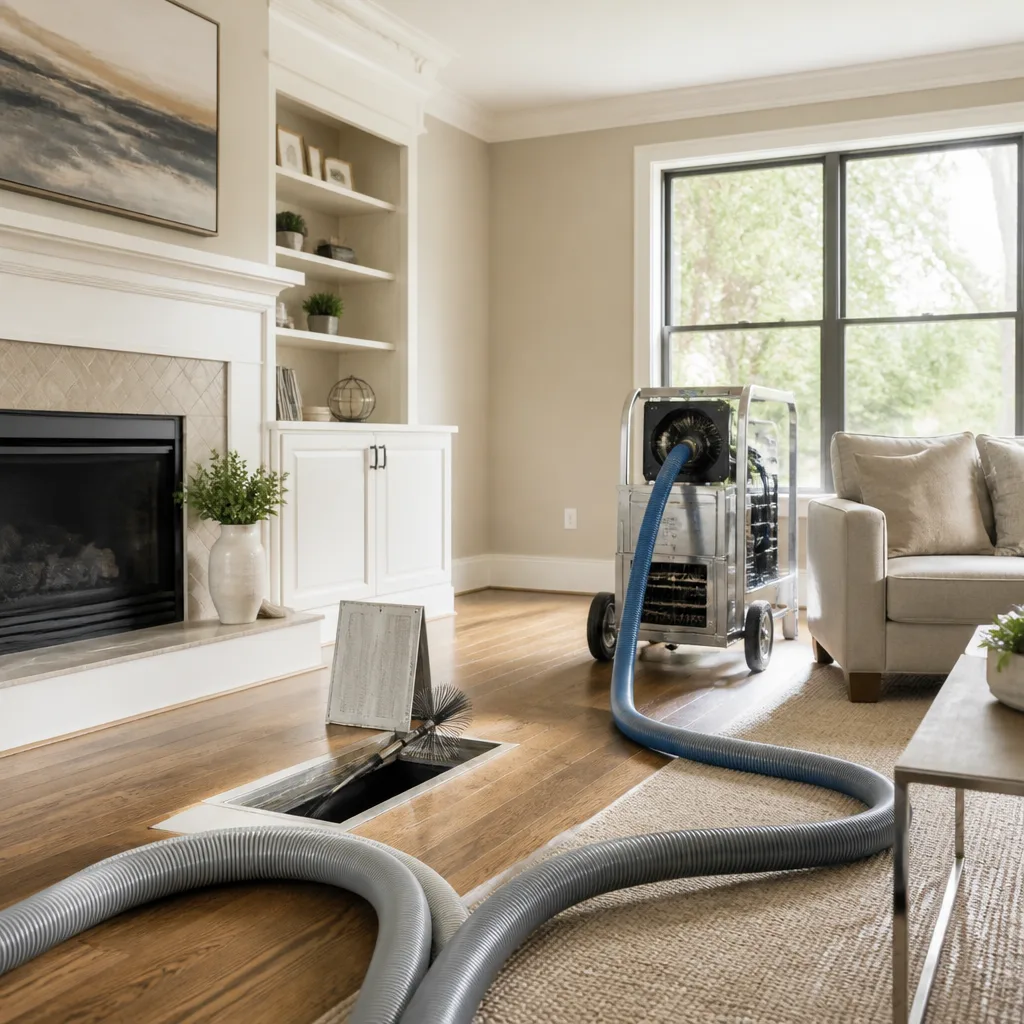 Whole-home duct cleaning
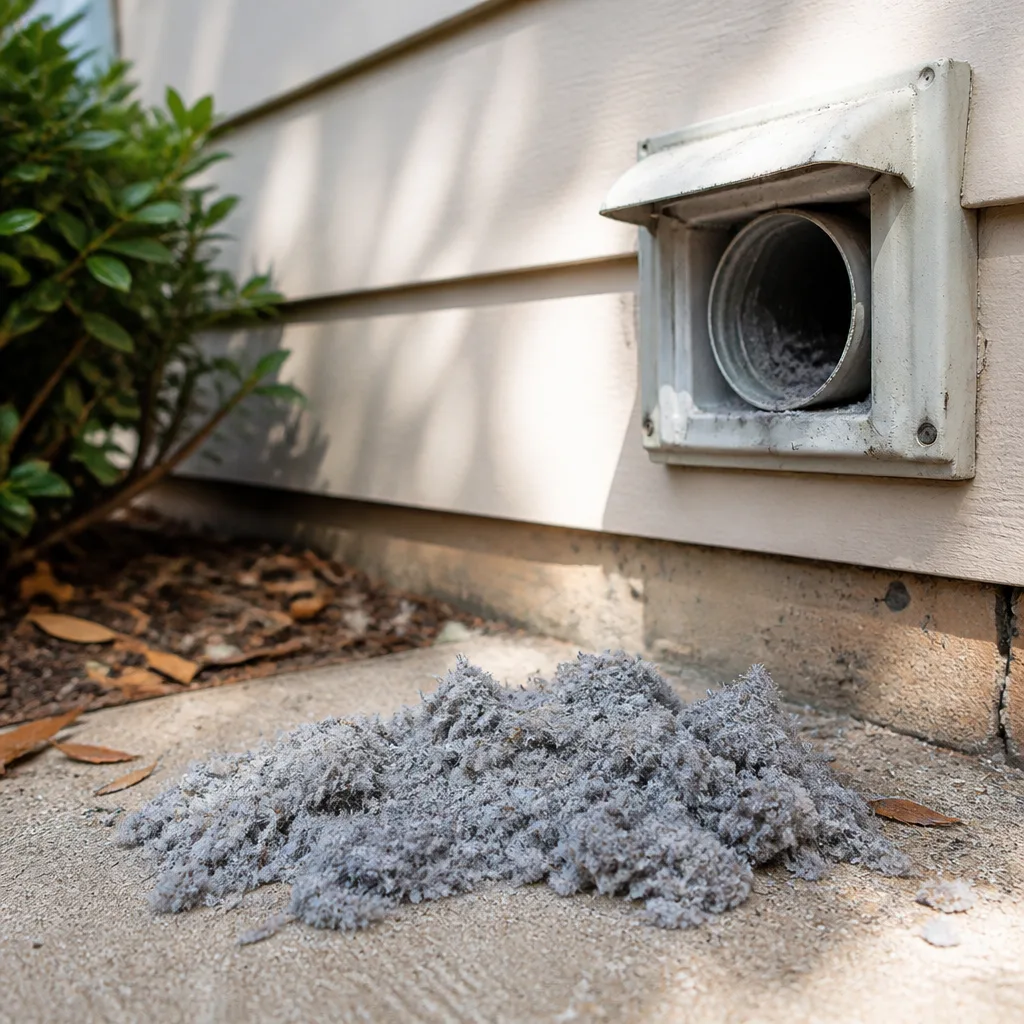 Dryer vent cleaning
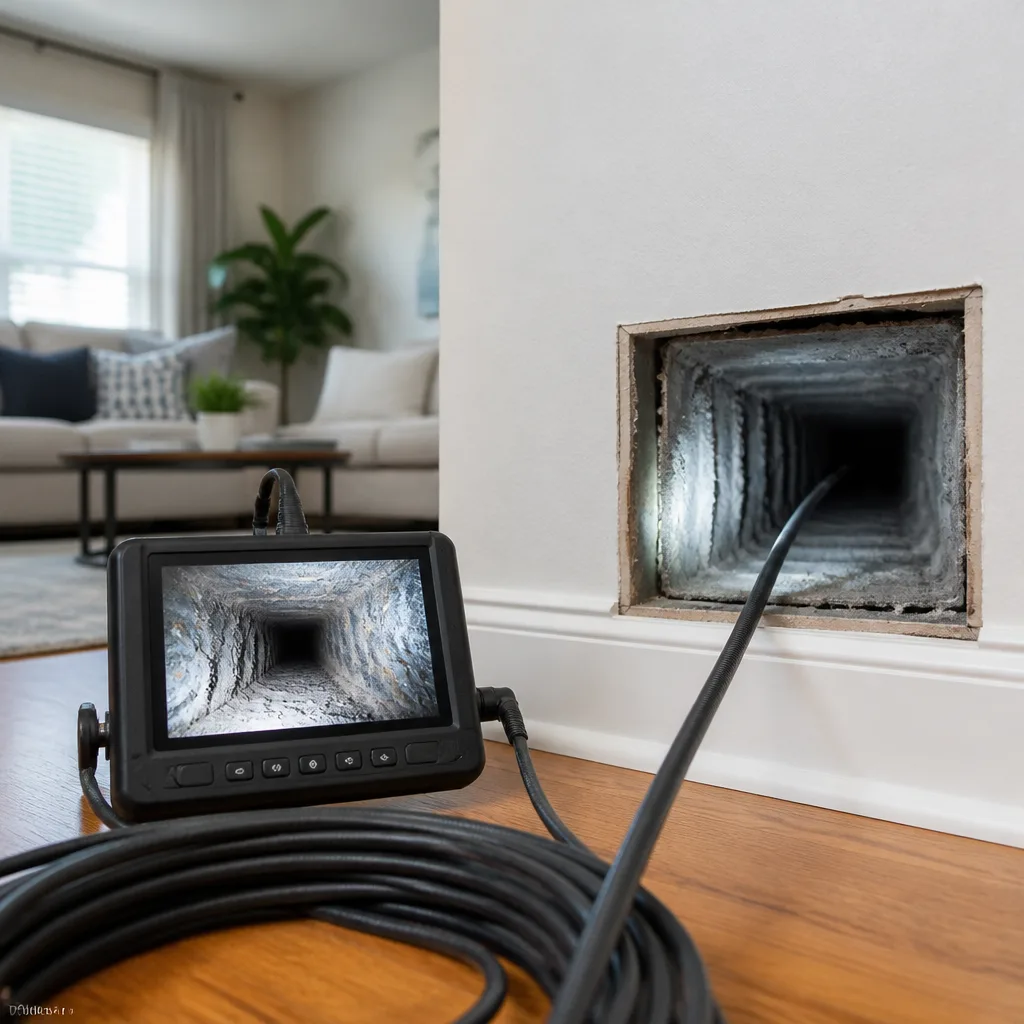 Camera inspection
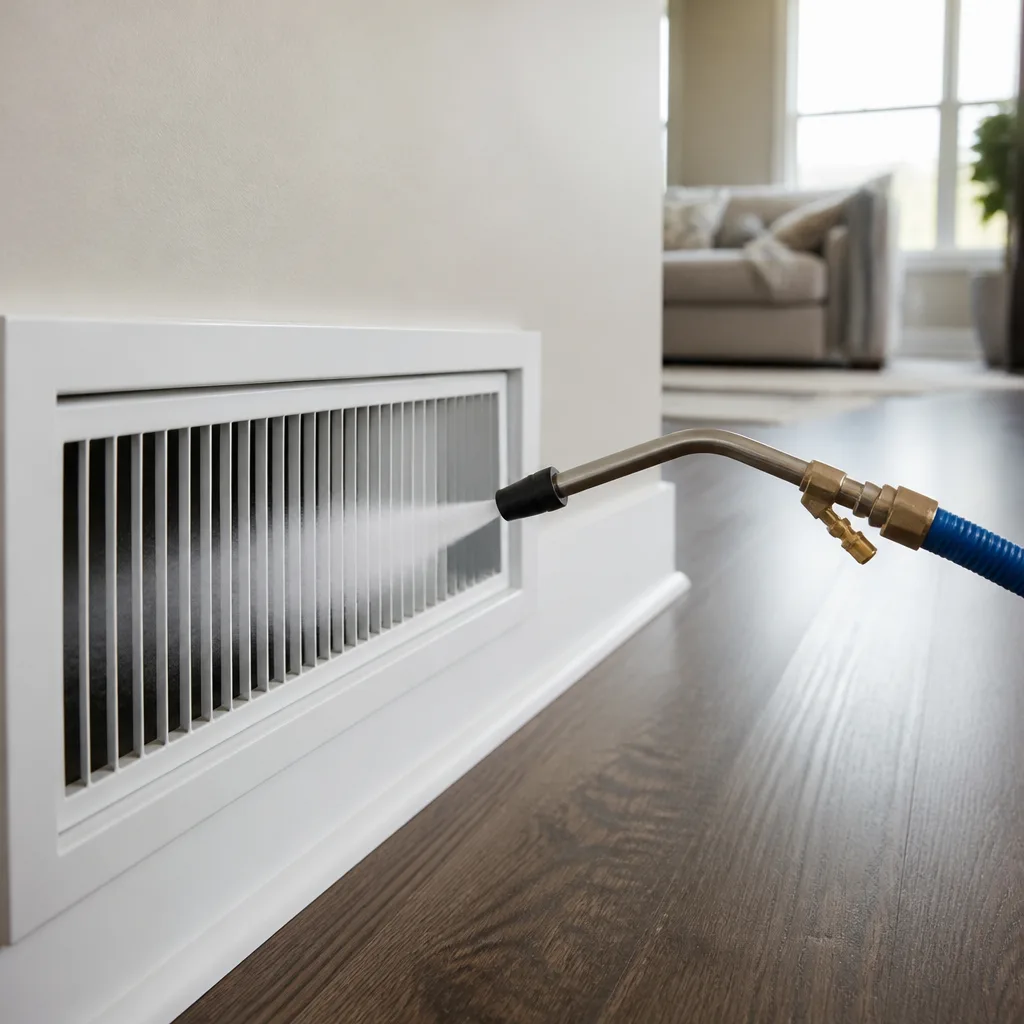 Sanitizing & deodorizing
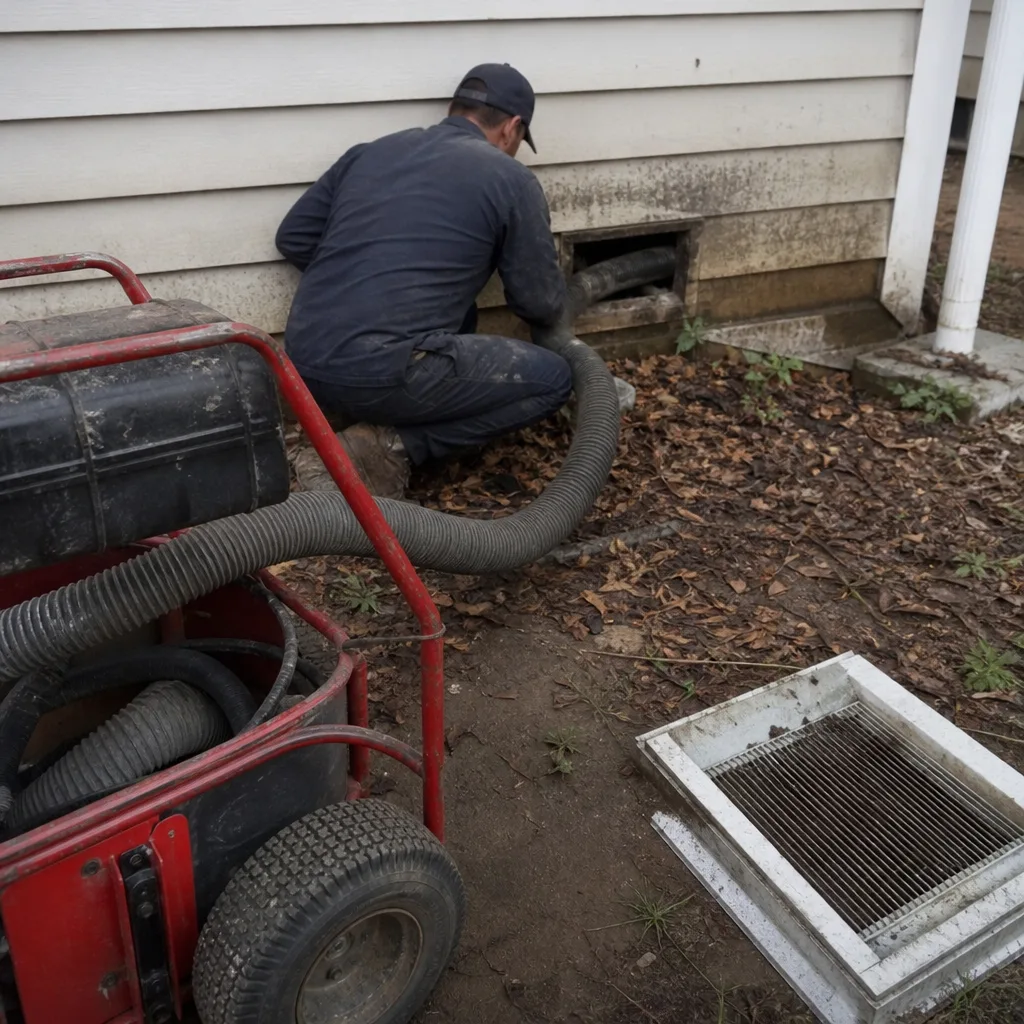
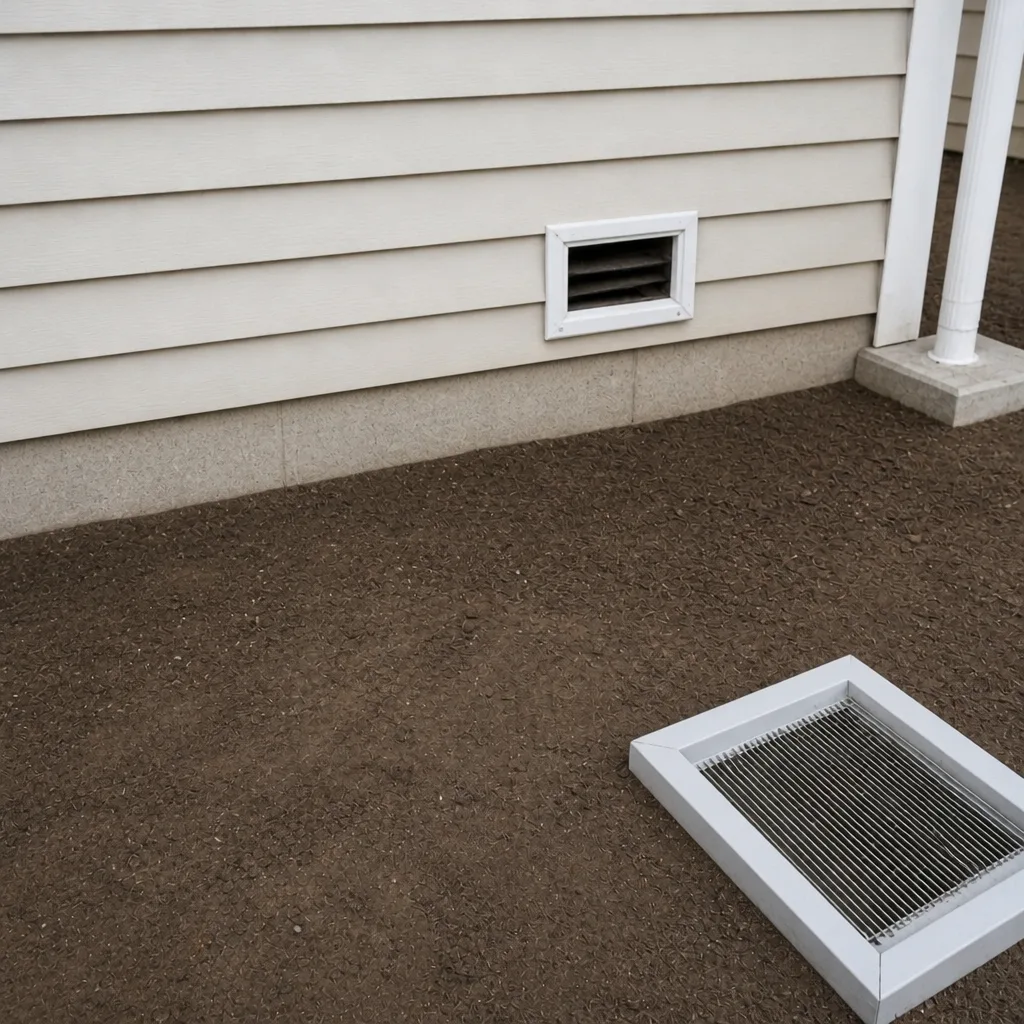
Whole-system duct and dryer vent check with before-and-after photos - you see exactly what came out of your vents
That "$99 whole-house special" is a bait ad - the real number appears once they are in your hallway, or the "clean" is a shop-vac at the register. We photograph the inside of your ducts before and after instead.
Choosing the Right Air Duct Cleaning Brand: A Buyer’s Guide for Waco
There’s no inspection sticker for duct cleaning in Waco. No rating body audits what a crew actually brings into your attic, and no external seal forces a company to disclose its equipment before it quotes you a price. That gap is where most bad hires happen. A homeowner hears the same pitch from two companies, agrees to the lower number, and never learns that one crew showed up with a purpose-built rotary system and the other with a shop-vac and a hose. The homeowner who knows to ask one specific question before booking controls the whole conversation: “Do you run a Rotobrush or a Nikro system, and what’s your process on a split system with attic flex duct?” This guide teaches you to ask it, read the answer, and judge the operator behind it.
Quick Answer
The right air duct cleaning brand in Waco is the one that tells you, up front, which professional equipment platform it operates (Rotobrush, Nikro, or Abatement Technologies), describes a real process for a typical Central Texas home with attic flex duct and a split system, and can show you before-and-after documentation of its own work. Certifications and memberships help, but equipment disclosure and process detail separate a specialist from a generalist with a vacuum.
Styles & brands we work with
- Whole-home duct cleaning
- Dryer vent cleaning
- Camera inspection
- Sanitizing & deodorizing
Table of Contents
- Why “Brand” Is the Wrong Question in Waco
- The Three Equipment Platforms That Define Professional Duct Cleaning
- The One Question That Separates Specialists From Generalists
- What Operational Depth Looks Like: Repair, Dryer Vents, and Coils
- What NADCA Membership Actually Means
- Your Due Diligence Checklist Before You Book
- What Duct Cleaning Costs in Waco, and Why the Cheapest Quote Is a Warning
- A Note for Landlords and Property Managers
Why “Brand” Is the Wrong Question in Waco
When you search for the best air duct cleaning company in Waco, TX, most of what you’ll find is a wall of near-identical websites. Every one claims to be thorough, professional, and affordable. Almost none of them tell you what machine the technician will carry through your front door. That’s not an accident. Marketing language is cheap. Equipment is not.
A real professional platform like a Rotobrush system represents a serious capital investment. A truck-mounted or portable Nikro unit does too. A shop-vac costs a few hundred dollars at any hardware store. When a company won’t name its equipment, the reason is usually simple: naming it would answer the question in the wrong direction. So the brand on the website tells you very little. The platform on the truck tells you almost everything.
Waco makes this distinction sharper than it might be elsewhere. Most homes here run a split system with the air handler in the attic and flex duct branching off a trunk line. That’s a very different cleaning job from a rigid metal duct system in a colder climate. Flex duct is ribbed, flexible, and easy to damage with the wrong tool. A rotating brush run at the wrong tension tears liner. A weak vacuum just stirs dust without trapping it. The equipment that works on a Waco home is chosen for flex duct and attic access, not for a showroom video of a different house. A company that can explain this without prompting has actually done the work in this housing stock. A company that can’t is reciting a script.
When you’re ready to see how this plays out in practice, start with Duct Cleaning Waco and compare what you read against the questions in this guide.
The Three Equipment Platforms That Define Professional Duct Cleaning
Three equipment families show up again and again in serious residential duct cleaning, and each one exists because it solves a specific problem. Understanding what each is built to do lets you judge whether a company has the right tools for your home, not just some tools.
- Rotobrush (contact cleaning). A rotary brush-and-vacuum system engineered to physically scrub the interior walls of the duct as it pulls debris back through a filtered vacuum. This is contact cleaning: the brush touches the duct surface and loosens what’s bonded to it. On flex duct, the rotary action has to be set and controlled carefully to clean without abrading the liner. A Rotobrush platform is the tool that addresses the actual dirt stuck to the duct wall, not just the dust sitting loose in the airstream.
- Nikro (negative pressure portable). An industry-standard line of HVAC cleaning equipment built around portable negative-pressure units and HEPA filtration. The job here is containment: keep the system under negative pressure so contaminants travel out of the duct and into the filtration unit instead of puffing into your living room. Nikro gear is the recognized professional standard for this, and it’s a large part of why cleaning day doesn’t fill a Waco home with airborne dust.
- Abatement Technologies (source removal and contaminant containment). Equipment built for the removal of contaminants, with filtration and containment engineered for the job. This is where depth of trade knowledge shows: source removal means pulling debris out at its origin and containing it, not displacing it around the room. Operators who run Abatement Technologies systems are set up for real remediation work rather than surface vacuuming.
Those three platforms aren’t a checklist a company has to tick in full. They’re the standard against which any crew’s real capability gets judged. Rotobrush handles the contact cleaning. Nikro handles the negative pressure. Abatement Technologies handles containment and contaminant removal. A company working with hardware-store vacuums is missing all three.
Why the brand of equipment beats the brand of the company
Air duct cleaning isn’t a commodity. An air duct cleaning job done with the right platform produces a measurable difference in what comes out of the ducts. And a job done with single-stage consumer equipment doesn’t produce anything close to the same results, however good the website looks. That’s the reason to anchor your hiring decision to named tools. The company name on the invoice is just a label. The machine on the job is the work.
The One Question That Separates Specialists From Generalists
Skip “are you certified?” For one thing, in Texas there’s no state-mandated license to clean ducts, so the question invites a vague answer that sounds reassuring but tells you nothing. Ask something concrete instead:
“Walk me through your process on a 2,000 square foot Waco home with a split system and flex duct in the attic.”
A credible answer sounds like a sequence, not a slogan. It might go roughly like this:
- Access is confirmed first. The technician identifies the air handler, the plenum, the trunk line, and the branch runs, and checks that flex duct connections are intact before anything gets moved.
- The system is set up under negative pressure using a portable unit like a Nikro system, so debris is captured rather than circulated.
- Each branch run gets contact cleaning with a rotary brush-and-vacuum platform such as a Rotobrush system, with the brush action adjusted for flex duct so the liner isn’t damaged.
- The air handler, plenum, and trunk line are cleaned where accessible, and the coil is assessed if it’s part of the service scope.
- Any damaged or disconnected flex duct discovered along the way gets flagged, since cleaning a leaky run wastes its value and a proper company also handles duct repair.
- Before-and-after photos or video of the ducts and components are documented so the homeowner can see the result.
What a weak answer sounds like is just as telling. “We use a high-powered vacuum and we’re very thorough” tells you nothing. Neither does “we’re certified and insured” offered as the entire answer. Neither does a refusal to describe the process on the grounds that it’s proprietary. If a company can’t describe how it handles attic flex duct in a house of that size, it either hasn’t done much of it or doesn’t want you to picture the job.
We’ve found this single question does more to sort companies than any review page. It’s a question any trained operator can answer in detail, and a question sales-only operations can’t answer without falling back on marketing language. Ask it before you commit to a booking.
What Operational Depth Looks Like: Repair, Dryer Vents, and Coils
Breadth is an underrated signal. A company whose only capability is cleaning isn’t necessarily bad, but there’s a pattern worth noticing: operators who do one thing usually haven’t invested in the trade the way operators who do several things have. Operational depth means the company can handle what the cleaning reveals, not just clean around it.
Duct repair is the clearest test. Cleaning a system with disconnected joints, crushed flex runs, or torn liner seals just recirculates the same problem. A specialist who offers air duct repair as a standalone service identifies structural damage and fixes it, rather than vacuuming a leaky system and calling it done. If the company you’re considering only cleans and can’t repair, that’s a limit to keep in mind, especially in older Waco homes where attic ductwork has been through a stretch of harsh summers.
Dryer vent cleaning is another signal, and the reasoning is different. It’s about fire prevention first, and indoor air quality second. Lint accumulates in dryer vent lines, and that accumulation is a recognizable fire risk. A company that treats dryer vent service as a core item rather than an afterthought understands the safety argument, not just the cleanliness argument. Waco’s long, hot summers mean dryers run hard and lint builds up faster than homeowners often expect. Asking whether a duct cleaning company also handles dryer vent cleaning tells you whether it sees the whole system or just one part of it.
Coil cleaning falls in the same category. A dirty evaporator coil restricts airflow and makes the whole HVAC system work harder. If the cleaning scope covers the equipment and the plenum but never touches the coil, the job stops short of the full picture. A one-person cleaning-only business rarely covers all three. An operator who’s invested in the equipment to do all three usually has, and that investment is a form of commitment you can measure rather than take on faith.
HVAC compatibility matters more than you might think
A company that cleans ductwork on a broad range of residential setups, including homes running Honeywell and Aprilaire systems, has the experience to handle whatever control and humidification components are installed in your attic. Some systems have in-line humidifiers, bypass components, or zoning dampers the cleaner has to know about before the equipment goes in. A technician who’s never worked around that kind of setup might not recognize what’s in the line until something’s disconnected. Ask the company what equipment it’s used to seeing in Waco homes, and listen for specifics.
What NADCA Membership Actually Means
The National Air Duct Cleaners Association sets a recognized standard for the industry. NADCA membership signals that a company has committed to a professional standard, and it’s a reasonable thing to look for. The key word is “floor,” not “ceiling.”
Membership confirms a company has signed on to a standard. It doesn’t audit every job. It doesn’t tell you which machine the technician brings or how the company handles what it finds when it opens the ductwork. And it doesn’t replace the need to hear a clear process description when you call. Treat NADCA membership as one useful signal among many, not as the entire hiring decision.
Waco’s market isn’t a major metro, and a lot of the companies listed as “best” in local search results turn out to be regional chains passing through or franchise operators without local roots. For household decisions, the operator you can hold accountable to the equipment disclosure you’ve already learned to ask for is worth more than a badge on a website. The same is true for how well the company knows the city it works in. Someone who can speak to the housing stock in Waco, and to what late-summer dust and pollen do to a return-air path, has spent time here.
Combine the signals rather than picking one: NADCA membership is a check, equipment disclosure is a check, before-and-after documentation is a check, and a clear process answer on the phone is a check. A company that gives you three or four of those is worth a booking. One that gives you only the credential and stays vague about the process is selling reassurance, not cleaning.
Your Due Diligence Checklist Before You Book
Use this checklist as a filter. You should be able to complete most of it in a single phone call before you commit to anything.
- Equipment disclosure. The company names the equipment platform it operates on residential jobs. “Rotobrush,” “Nikro,” and “Abatement Technologies” are the answers to listen for. “High-powered vacuum” isn’t an answer.
- Process description. You get a real sequence for a typical local home, not a slogan. A company comfortable describing how it handles attic flex duct and a split system is a company that’s done the work.
- Before-and-after documentation policy. The company tells you its policy on before-and-after photos or video before you book it. Documentation lets you verify the job, so ask what you’ll receive and in what form.
- Service breadth. The company handles duct repair and dryer vent service, or explains clearly why it doesn’t. A company that only cleans can be the right fit for a single job, but be aware of its limits.
- Flat pricing per system. The company quotes a single price for the whole system up front, rather than per vent or per piece. One flat price per system, agreed before work starts, is the standard to hold anyone to.
- Local references. The company can point to work in Waco or nearby communities. Local references or verifiable reviews tell you the operator is real and accountable.
- Permits for repair work. If your job involves duct repair rather than just cleaning, ask whether the company handles permitting where local code requires it. A company that can answer that question has thought about the full scope of the work, not just the vacuum side of it.
Print this list and keep it handy when you call. The questions are simple, and the answers are revealing. If a company stumbles on three of these seven, move on.
What Duct Cleaning Costs in Waco, and Why the Cheapest Quote Is a Warning
Duct cleaning in Waco is most commonly priced as a single flat price per system, agreed before any work starts. The honest number depends on the size of the system, the number of branch runs, and how much debris the system has accumulated. What the price almost never depends on is how many vents there are, even though a lot of companies quote per vent. That distinction matters, because a per-vent quote can disguise a smaller-than-expected job as a larger one, or pull you in with a low teaser price that grows on the invoice.
Here’s what to do when you get a quote. First, ask the company to make it flat per system, and in writing. A written estimate sets the final price. If the company quotes per vent, ask why. A legitimate answer explains how it counts vents and what the last vent covers. A weak answer usually reveals the structure hasn’t been thought through. Second, ask what’s included. Does the price cover the branch runs, the air handler, and the plenum, or only the visible runs? Third, ask whether the quote can change on the day of the job. A company that says “the price is firm” is a company that isn’t planning to sell you surprises once the equipment is out. If repair or a dryer vent job gets added, ask for those as separate written estimates before anyone starts.
Why some quotes are so much cheaper
Cheaper quotes usually come from smaller equipment. Consumer vacuums and single-stage shop units cost far less to run than Rotobrush, Nikro, or Abatement Technologies gear, and crews who haven’t invested in proper platforms can quote low because their cost basis is low. The job you end up with can be a quick surface vacuum that doesn’t address the dirt bonded to the duct walls or the contaminants suspended in the airstream. The price tag on the invoice is where the shortcut shows up, and the result in the ducts generally matches it. The right comparison isn’t who quotes least; it’s which quote includes the right platform, a written flat price per system, and documentation you can look at afterward.
A Note for Landlords and Property Managers
If you’re responsible for air quality across multiple units, the equipment-disclosure standard applies to every property in your portfolio, and the answers should be consistent from one unit to the next. A company that runs a Rotobrush or Nikro system on each unit and documents the work with before-and-after photos gives you a defensible record of the condition of each system. That’s valuable when you’re responding to tenant concerns, documenting for an owner, or scheduling the next round of service.
A few points to settle before booking. Confirm the company does air duct repair as well as cleaning, because a multi-unit system with underperforming branches likely needs repair, not just cleaning. Confirm that dryer vent service is on the menu, since the fire-safety argument is strongest in rental units where appliance maintenance is easy to postpone. And confirm that each unit gets its own written flat estimate, so there’s no ambiguity about what’s included. A specialist who can describe the process clearly on the phone and document the result in each unit is the one to hold onto.
Common Mistakes to Avoid
- Booking on price alone without asking about equipment. The cheapest quote is often the one that arrives with a shop-vac. You’ve paid to keep the problem, and you still need a real cleaning. Ask what the crew brings before you book.
- Accepting a per-vent quote. Per-vent pricing is a structure that invites both lowballing and upselling. A flat price per system, agreed in writing, is the standard a professional company should meet.
- Cleaning before checking for duct damage. If your flex duct is torn, disconnected, or crushed in the attic, a cleaning just recirculates the problem. Have the system assessed for repair needs as part of the call.
- Forgetting the dryer vent. Lint buildup in the dryer vent is a fire risk, and it’s the easiest safety item to overlook in a duct cleaning appointment. Have it checked whenever the ducts are being serviced.
- Not asking about before-and-after documentation. A photo or video record of what was cleaned tells you the work actually happened. A company without a documentation policy leaves you guessing.
- Treating a certification as the whole answer. A credential is a check, not a guarantee. Combine it with equipment disclosure, process detail, and local references before you book.
- Assuming the summer dust problem is a one-time fix. Waco’s long, hot summers push pollen, dust, and fine debris through return-air paths constantly, so a system that’s been serviced needs a plan for the next round, not just a one-time visit.
See the difference
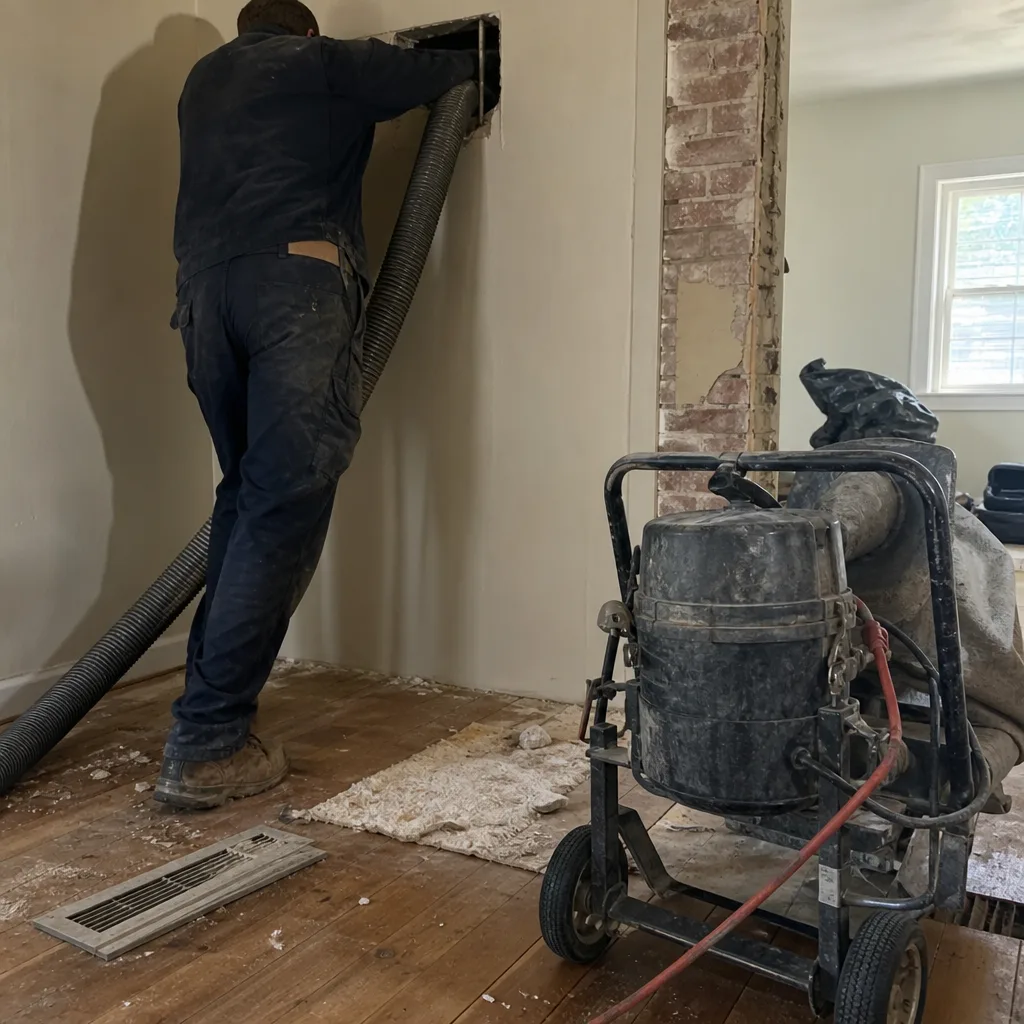 Before
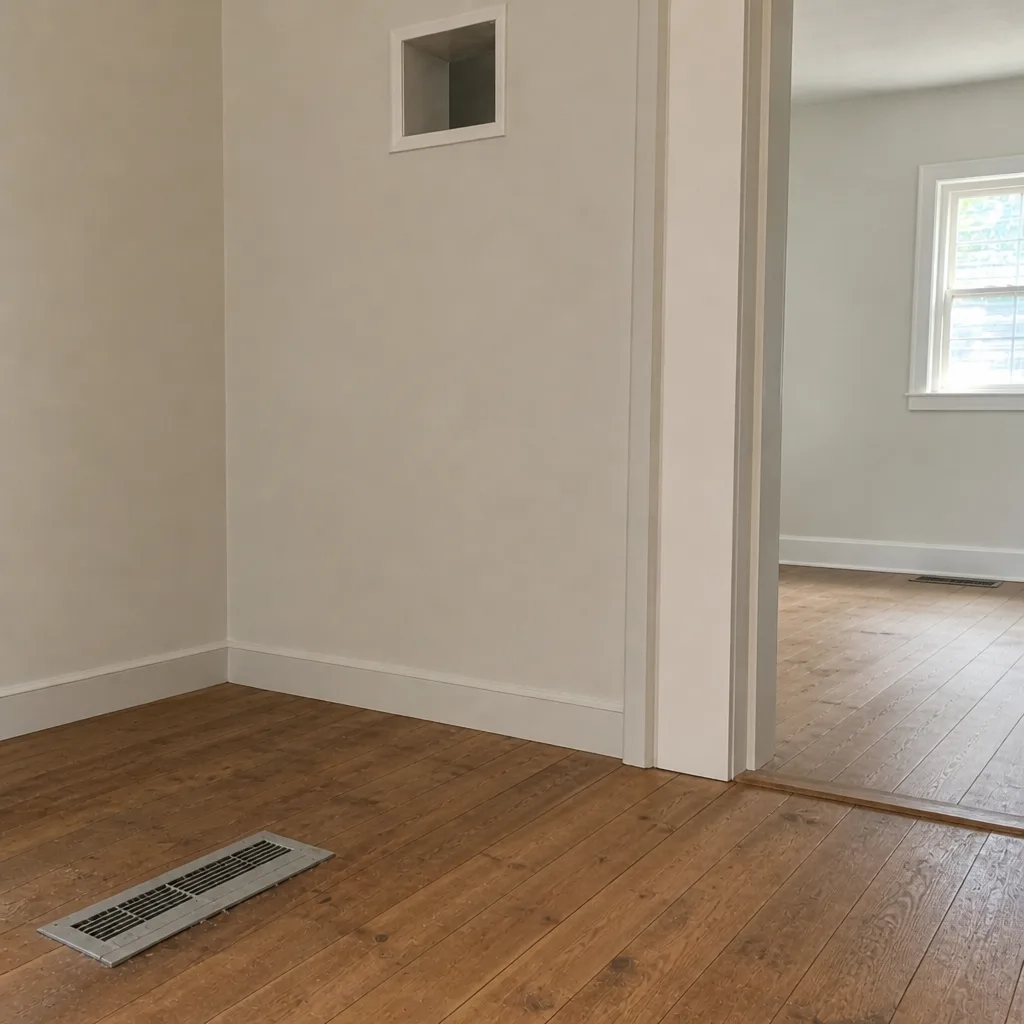 After
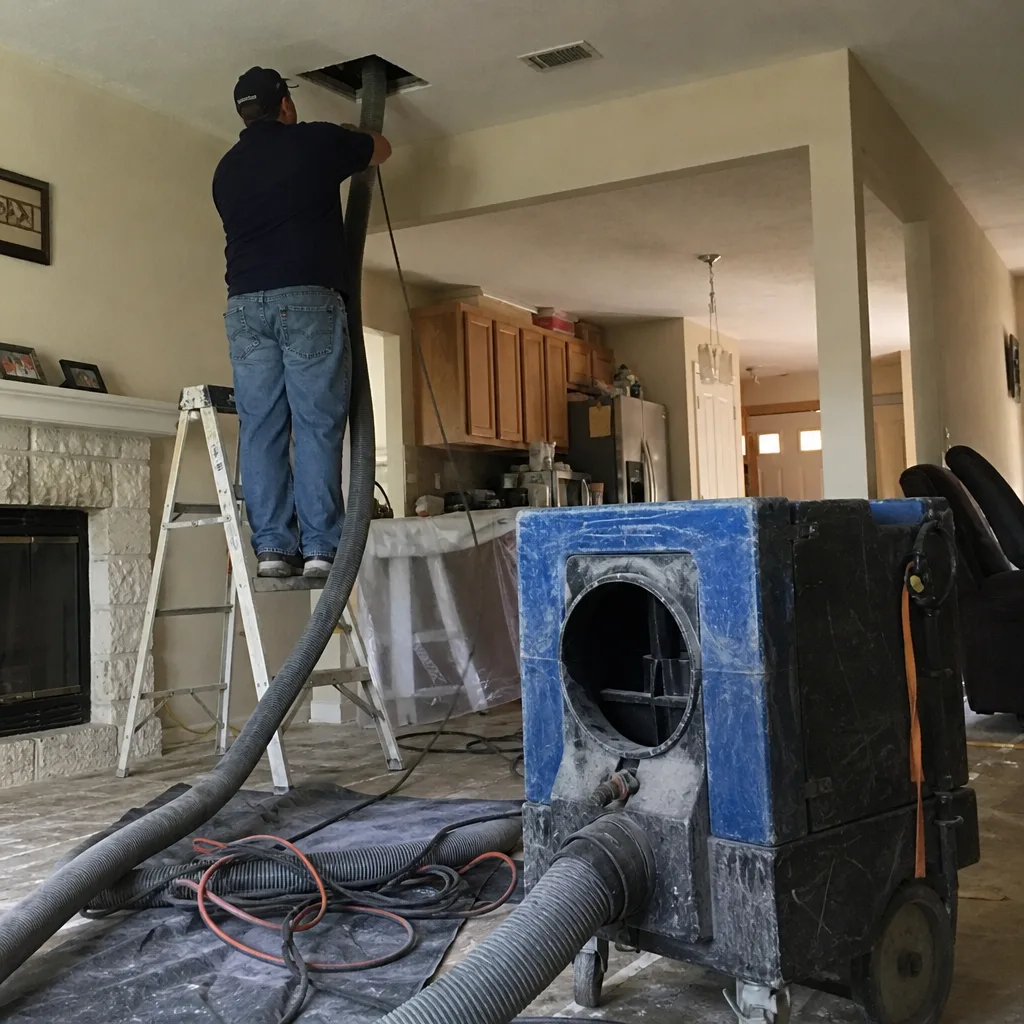 Before
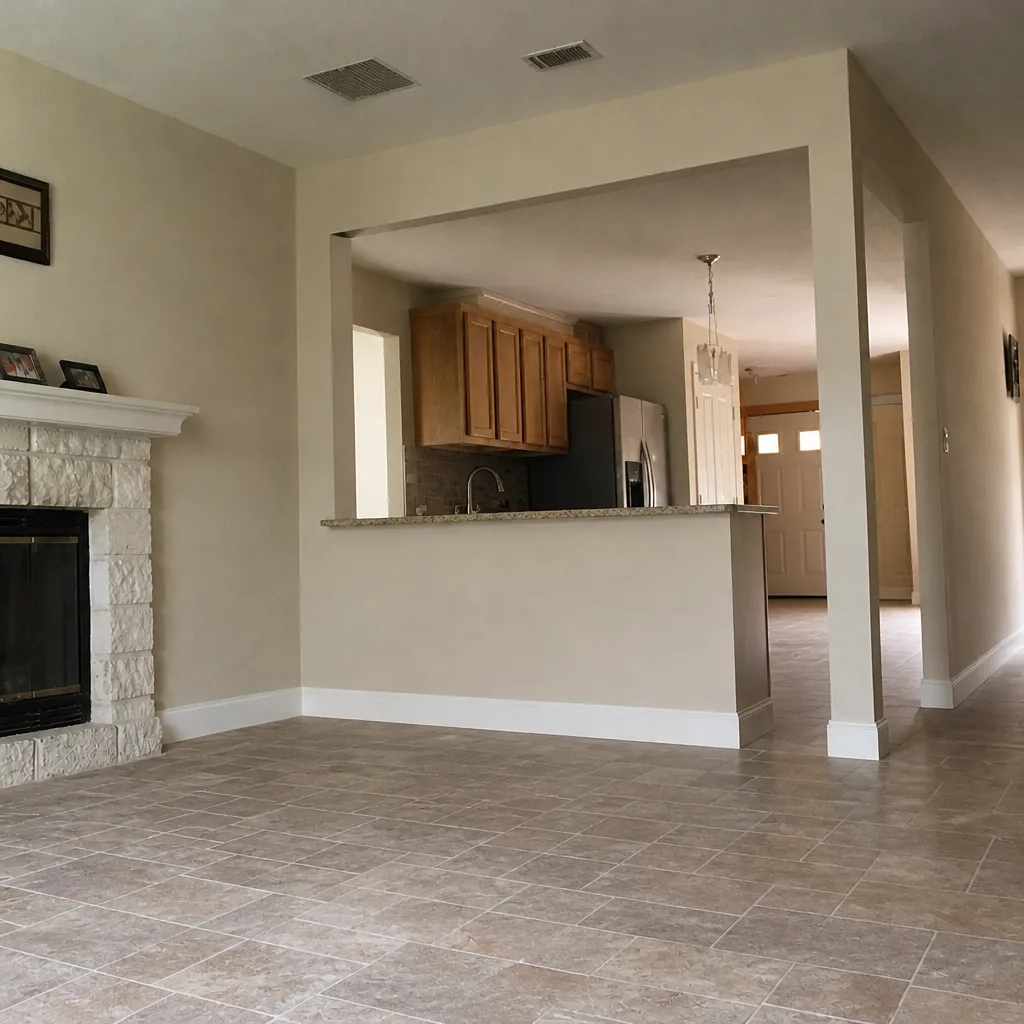 After
 Before
 After
When to Call a Professional
Call a duct specialist when you notice a persistent dusty smell when the system kicks on, visible dust settling on furniture faster than usual, uneven airflow between rooms, or a dryer that takes much longer than it used to. These aren’t all duct issues, but each is worth evaluating by someone who can inspect the system and tell you what’s actually going on. If you’re buying a home in Waco, have the ducts assessed before you close, since a previous owner’s maintenance history isn’t always visible. If a tenant in a rental unit reports persistent airflow problems or unusual dust, treat that as a scheduling item rather than a someday problem.
The right time to call is before an urgent repair, not after. Duct Cleaning Waco offers free estimates in Waco, with one flat price per system agreed before work starts. Call (855) 745-6206. We answer 24/7. Fast dispatch from 7am to 7pm, Sunday through Friday.
Frequently Asked Questions
Air duct cleaning in Waco is usually priced as one flat number per system, agreed in writing before any work starts. The estimate depends on the size of the system and how many branch runs it has, not on the number of vents. Ask for a written flat price per system, and ask what’s included before you commit. Call (855) 745-6206 for an exact quote. Estimates are free.
The cheaper quotes usually come from companies whose equipment costs them less to run, which often means consumer vacuums or single-stage units rather than purpose-built platforms like Rotobrush, Nikro, or Abatement Technologies systems. The lower price can reflect a shorter job with less real cleaning. Compare what’s included, not just the bottom line. Call (855) 745-6206 to compare an exact flat price per system.
Ask about the company’s before-and-after documentation policy before you book, and get a clear answer on what photos or video you’ll receive once the job finishes. A photo record of the ducts gives you something specific to verify. A company that can’t describe its documentation policy in advance leaves you with no way to check the result. Call (855) 745-6206 and we’ll tell you exactly what documentation you’ll receive.
There’s no single schedule that fits every home. In Waco, the long, hot cooling season keeps the system running for months on end and pulls steady amounts of dust and pollen through the return-air path, so a home that sees high traffic or pets often needs attention sooner than a sparsely occupied one. A professional assessment is the honest way to set the interval. Call (855) 745-6206 for a free estimate and a straight answer.
NADCA membership is a useful signal that a company has committed to a professional standard, but it’s a floor rather than a guarantee. The membership doesn’t audit each job or confirm the specific equipment the crew uses. Combine it with equipment disclosure and a clear process description before you book. Call (855) 745-6206 if you’d like our process walkthrough.
Sometimes, yes. A cleaning-only company can still do fine work, but it can’t fix torn, crushed, or disconnected flex duct, and it can’t handle a dryer vent or coil as part of a full-system appointment. That scope limit matters most in older Waco homes where attic ductwork has absorbed a lot of heat over the years. Ask about repair and dryer vent service when you call. Duct Cleaning Waco covers all three, and estimates are free at (855) 745-6206.
Yes, provided the company knows what’s in the system before the equipment goes in. In-line humidifiers, zoning dampers, and bypass components all sit in the same attic space as the ducts, and the technician has to identify them before making changes. A company used to working on leading HVAC brands like Honeywell and Aprilaire setups will recognize what’s installed and clean around it correctly. Call (855) 745-6206 to describe your system and get an estimate.
The Bottom Line
The right air duct cleaning company in Waco is the one that names its equipment, walks you through its process on a real local home, and puts one flat price per system in writing before anyone starts. Use Rotobrush, Nikro, and Abatement Technologies as your benchmark for professional-grade platforms, treat NADCA membership as a floor rather than the whole decision, and make before-and-after documentation part of the deal. Ask the question about attic flex duct. Listen for a sequence rather than a slogan. Then call Duct Cleaning Waco at (855) 745-6206 for a free estimate. We answer 24/7. Fast dispatch from 7am to 7pm, Sunday through Friday. Breathe the difference.
Written by the team at Duct Cleaning Waco.