
Last updated November 15, 2026
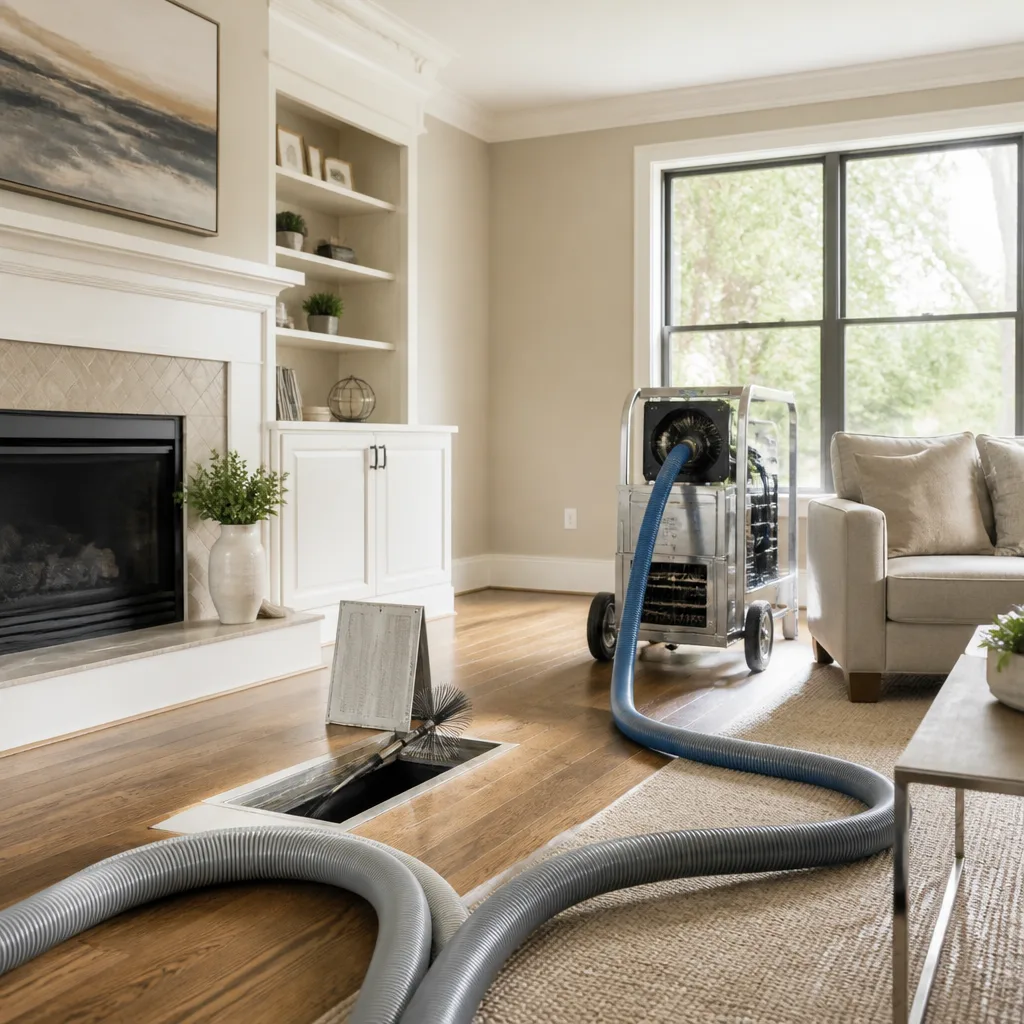 Whole-home duct cleaning
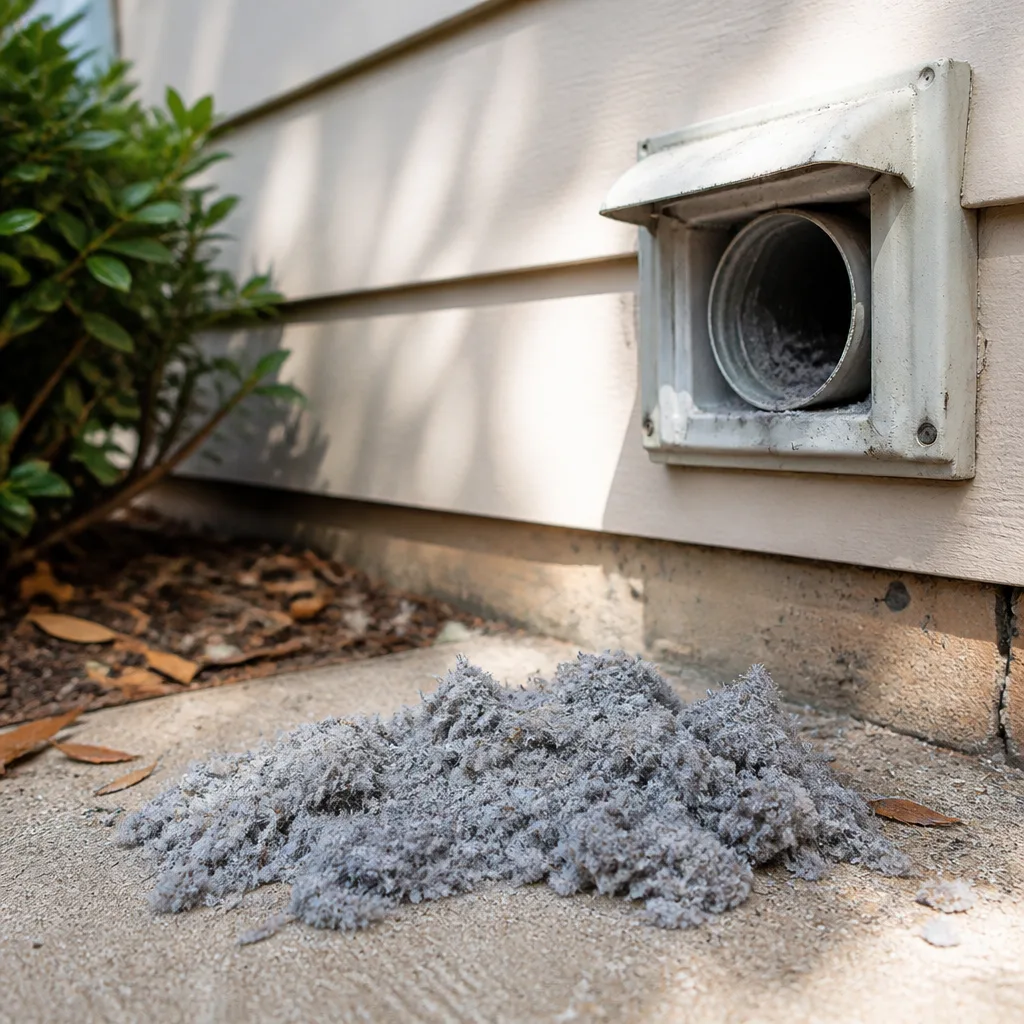 Dryer vent cleaning
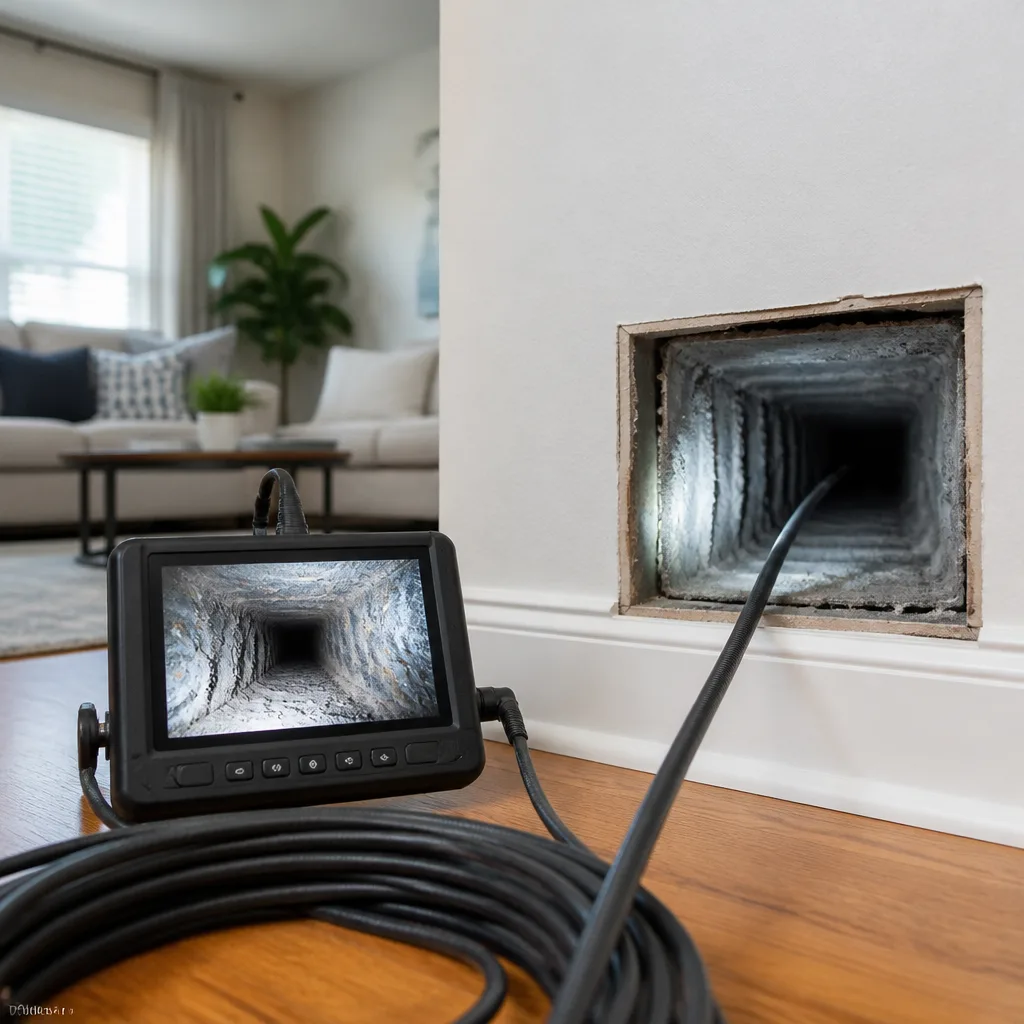 Camera inspection
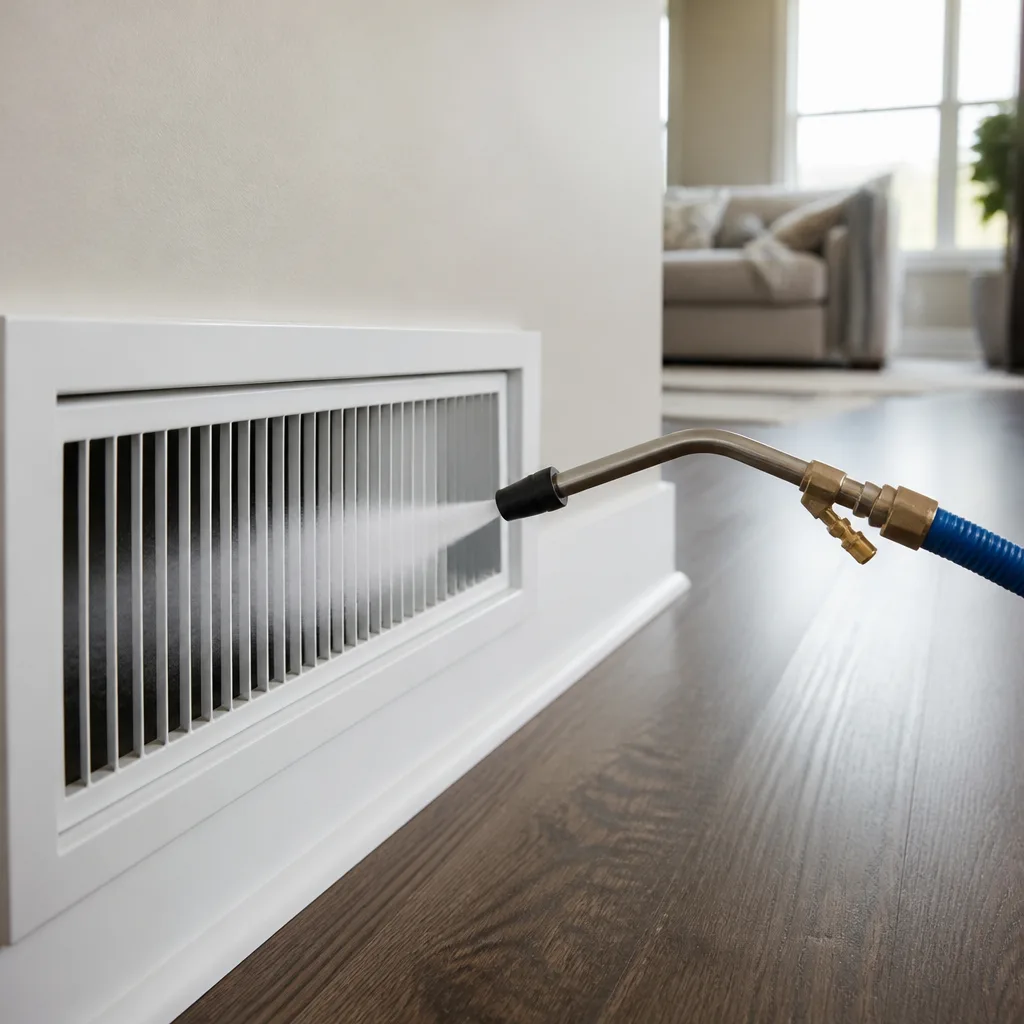 Sanitizing & deodorizing
Whole-system duct and dryer vent check with before-and-after photos - you see exactly what came out of your vents
That "$99 whole-house special" is a bait ad - the real number appears once they are in your hallway, or the "clean" is a shop-vac at the register. We photograph the inside of your ducts before and after instead.
DIY vs Professional Air Duct Cleaning: The Waco Homeowner’s Decision Guide
Here’s the part most duct cleaning advice gets wrong: DIY duct cleaning in Waco isn’t dangerous. It’s just structurally limited, and the limit shows up fast. A homeowner with a shop-vac and a dryer vent brush can genuinely clean the first stretch of a supply register, and that work counts for something. A professional system cleans the entire trunk line, plenum, and return network under negative pressure while agitating the walls of every branch run. Those are categorically different outcomes, not different levels of the same outcome. This guide walks through exactly where the DIY ceiling sits, what you can rent or buy in Waco and what it can actually do, which jobs are worth your Saturday and which ones need equipment you can’t pick up at a hardware store, and how to decide for your own house based on contamination type, system age, and who breathes the air inside it.
Quick Answer
Most Waco homeowners can handle register covers, filter swaps, and the first stretch of dryer vent themselves. Everything past that – the trunk lines, the plenum, the return network, and the inaccessible branch runs – needs negative-pressure equipment and rotary agitation that consumer tools can’t replicate. DIY cleaning that dislodges settled debris without enough suction to capture it can redistribute contamination instead of removing it. If your ducts haven’t been cleaned in years, if anyone in the house has asthma or allergies, or if the system is older than the HVAC equipment itself, professional cleaning is the clearer call.
Styles & brands we work with
- Whole-home duct cleaning
- Dryer vent cleaning
- Camera inspection
- Sanitizing & deodorizing
Table of Contents
- What a Homeowner Can Legitimately Do Themselves
- The Honest Ceiling on DIY: What Consumer Tools Can’t Reach
- What You Can Rent or Buy in Waco, and What It Can’t Do
- The Real Risk of Incomplete Cleaning: Redistribution, Not Removal
- A Decision Framework: Contamination Type, System Age, and Health
- What Professional Cleaning Actually Involves, Step by Step
- Dryer Vent Cleaning: The One DIY Job With a Real Safety Limit
- Waco-Specific Context: Climate, Housing Stock, and What We See
What a Homeowner Can Legitimately Do Themselves
Start with what’s genuinely yours to do, because there’s more of it than the duct cleaning industry usually admits. A homeowner with basic tools and a free afternoon can make a real difference to the air moving through a Waco house, and doing that work well also tells you when the job has outgrown you.
Here’s the honest list of DIY tasks worth doing:
- Register cover cleaning. Pop off the supply and return grilles, wash them in a sink or outside with a hose, and dry them before reinstalling. Dust and pet hair pack into the louvers and cut airflow more than most people expect.
- Filter replacement. This is the single highest-return maintenance task in the system. A clogged filter starves the blower and pushes dust back through the return. Check it monthly during heavy cooling season in Central Texas and change it on the schedule the filter maker specifies.
- Register boot and first-stretch cleaning. With the grille off, you can reach into the supply boot (the short metal or flex transition behind the register) with a shop-vac brush attachment and clear loose debris. Same at the return opening.
- Dryer vent brushing up to the first elbow. A vent brush on a flexible rod clears the straight run behind the dryer. Stop at the first elbow, because the brush won’t reliably negotiate it and you risk packing lint tighter.
- Visual inspection. A bright flashlight and a phone camera set to video with the flash on can show you a surprising amount about what’s inside the boots and the visible duct surfaces. Look for dust matting, pest evidence, disconnected joints, and visible mold growth.
That list is real maintenance, and doing it consistently keeps a system cleaner between professional cleanings. What it doesn’t do is clean the ductwork. It touches the openings of a network that in a typical Waco home runs dozens of feet through walls, ceilings, and the attic.
The Honest Ceiling on DIY: What Consumer Tools Can’t Reach
The DIY ceiling isn’t about effort or willingness. It’s about physics. Surface cleaning by hand at an opening can’t reach the interior walls of duct runs that extend 15, 25, 40 feet away, and it certainly can’t capture what’s loosened once it’s airborne inside the system.
Here’s what requires equipment a homeowner cannot rent or reasonably buy:
- Negative-pressure cleaning of main trunk lines and the plenum. The core of professional duct cleaning is holding the entire system under negative pressure with a high-volume vacuum connected at one end while the ductwork is agitated at the other. Debris is captured at the source instead of escaping into the room. A shop-vac pulls a few dozen cubic feet per minute; professional truck-mounted or portable HEPA systems move many times that, which is what allows the whole network to be evacuated at once.
- Rotary brush agitation inside branch runs. A Rotobrush rotary brush-and-vacuum system feeds a spinning brush head down a flexible line, scrubbing the duct walls while the vacuum captures what comes off. Consumer duct brushes are push rods with no agitation and no coupled suction, so they loosen debris without capturing it.
- Camera inspection of inaccessible sections. Professional camera systems show the condition inside runs you can’t see from either end, which is how duct damage gets identified before it becomes an air quality problem. A phone camera only works where you can physically point it.
- Mastic sealing of leaking joints. Sealing duct joints with mastic is what stops a system from pulling attic air and insulation fibers into the supply stream. Doing it properly means access to the joints, surface prep, and knowing which joints are leaking, all of which professional work provides.
- HEPA filtration during the job. Abatement Technologies air-filtration equipment holds contaminants in the capture stream rather than just moving dust around the house. This is the difference between cleaning and remediation, and it’s not something you can replicate with a shop-vac and a box fan.
That gap is the whole argument. It isn’t that DIY is bad. It’s that the tools available to a homeowner clean the doorway of the system, and the ducts are the house.
What You Can Rent or Buy in Waco, and What It Can’t Do
Homeowners ask us this constantly, and the answer is worth being direct about: the rental market in Waco offers some genuinely useful tools for a specific, narrow job, and nothing that substitutes for a professional system.
What’s available:
- Shop-vacs and wet/dry vacuums from any hardware or home-improvement store in Waco. Excellent for register boots and general cleanup. Their honest capability ceiling is the opening of a duct, plus a few inches of reach with a crevice tool. They hold very little air volume and their filters aren’t sealed to HEPA standards, so fine dust passes through.
- Consumer duct cleaning kits sold online and in some stores: a flexible rod with a brush head that attaches to a drill or is fed by hand. These can scrub a short, straight run if you have access to it. They have no coupled vacuum, so loosened dust ends up wherever gravity and air movement take it. They also can’t negotiate multiple elbows.
- Dryer vent brushes and rods from hardware stores. Genuinely useful for the straight run behind the dryer, as noted above.
- Leaf blowers and air compressors that people ask about. Do not do this. Blowing air into a duct system pressurizes it and drives dust, debris, and any biological material into the living space through every leak and register. It’s the fastest way to make an indoor air quality problem worse. We’ve seen the results, and they are not subtle.
None of that is a knock on homeowners who want to do the work. It’s a description of a real ceiling. Professional systems, the kind built around air duct cleaning as a specialty rather than an add-on, combine high-volume negative pressure, rotary agitation, sealed HEPA capture, and camera verification. Those four things together are what separate cleaning from surface dusting, and no combination of rental equipment gets you there.
The Real Risk of Incomplete Cleaning: Redistribution, Not Removal
This is the section worth reading twice, because it’s the part that surprises people. Incomplete duct cleaning doesn’t just leave the ducts dirty. It can make the air in the house temporarily worse, and the mechanism is worth understanding.
Dust and debris inside ductwork settles in layers. The top layer is light and loose; the layer underneath is compacted and often adhered to the metal or flex wall. A shop-vac brush or a consumer rod loosens that top layer, and because the vacuum can’t hold the whole system under negative pressure, a large share of what gets loosened stays airborne inside the ductwork and finds its way out through the nearest register.
Picture the sequence:
- Settled debris is dislodged by a brush or rod without sufficient capture airflow.
- The loosened material becomes airborne inside the duct, driven by the HVAC blower or by the cleaning tool itself.
- It exits the system at the nearest supply register or through leaking joints into the attic or wall cavity.
- The homeowner notices more dust on surfaces and assumes the cleaning made things worse, because in a real sense it did.
The fix isn’t a bigger shop-vac. It’s holding the whole system under negative pressure so that anything loosened at one end is captured at the other, with HEPA filtration on the exhaust so the capture stream doesn’t just relocate the problem outdoors. That’s what Nikro and Abatement Technologies equipment is built to do, and it’s why the tooling matters more than the effort.
A Decision Framework: Contamination Type, System Age, and Health
So how do you decide what’s right for your own house? We’ve walked through this with enough Waco homeowners to know that three factors drive the answer, and none of them is a marketing claim. Work through them in order.
Factor 1: Contamination type.
- General dust and light buildup. DIY register and boot cleaning plus consistent filter changes is reasonable.
- Visible matted dust, construction debris, or rodent evidence. Professional cleaning. Rodent contamination in particular carries biological risk that hand tools cannot safely address.
- Visible mold growth inside a duct. Professional assessment and cleaning. The source of moisture matters as much as the growth, and if the system can’t be cleaned safely it needs to be replaced by a qualified HVAC contractor.
- Heavy pet hair with multiple animals in the home. Professional cleaning is usually justified. Pet hair packs into returns and boots and can’t be brushed out effectively by hand.
Factor 2: System age and history.
A home with ductwork installed alongside the HVAC equipment has never been cleaned. If a Waco house is 15 or 20 years old and no duct cleaning has ever been done, the accumulation is deep enough that DIY surface work won’t change the air. Redone systems, meaning older ductwork connected to newer equipment, are also worth a professional look, because leaks and mismatched joints show up with camera inspection. A system installed in the last few years with clean filters and no visible issues? DIY maintenance is the right call.
Factor 3: Health conditions in the household.
If anyone in the home has asthma, allergies, or another respiratory condition, professional cleaning with HEPA capture is worth the cost. If there’s an infant in the house or a family member with a compromised immune system, the same applies. This is the factor that tips the decision most often, and it’s the one we’d emphasize most strongly. The air a family breathes is not the place to test the limits of a shop-vac.
If you can’t tell which category applies to your home, a visual inspection is the starting point. Pull the register covers in a few rooms and look. You’ll usually have your answer within a minute.
What Professional Cleaning Actually Involves, Step by Step
Getting a clear picture of professional duct cleaning is useful even if you’re leaning toward doing the register covers yourself, because it tells you exactly what you’re paying for and what to ask about when you get quotes. Here’s what a properly done job looks like.
- System inspection and access setup. Every supply and return register is removed, and the technician identifies the trunk lines, the plenum, and the return network so the whole system is mapped before cleaning begins.
- Negative pressure established. A high-volume HEPA vacuum is connected at a central access point, drawing the entire system under negative pressure so that loosened debris is captured rather than released.
- Rotary agitation of every branch run. A Rotobrush system feeds a rotary brush head down each supply and return branch, scrubbing the interior walls of the ductwork while the vacuum captures what comes off. Every run gets cleaned, not just the visible openings.
- Main trunk line and plenum cleaning. With the branch runs cleared, the larger trunk and plenum surfaces are cleaned, which is where the heaviest accumulation usually sits.
- Camera inspection. Professional cameras verify the result inside inaccessible sections and surface any structural issues, which is where duct repair catches problems that cleaning alone won’t fix.
- Register and boot cleaning. Grilles and boots are washed and dried, then reinstalled.
- Mastic sealing of identified leaks. Leaking joints are sealed so the system stops pulling attic air and insulation fibers into the supply stream.
Two things separate that process from DIY at the end. The right tools, which in our case means Rotobrush rotary systems and Nikro equipment rather than a shop-vac, and the fact that cleaning and repair are handled together, not handed off. If a joint is broken or a flex run has collapsed, cleaning around it doesn’t solve anything.
Dryer Vent Cleaning: The One DIY Job With a Real Safety Limit
Dryer vent cleaning sits in its own category, and it’s the one place where we’d push hardest on professional work, for a reason that has nothing to do with air quality. Lint buildup in a dryer vent is a fire hazard, plain and simple. It’s a documented cause of residential fires, and the risk climbs with every load. A partially blocked vent also extends dry time, which means the dryer runs hotter and longer and the lint film builds faster.
What you can do yourself:
- Pull the dryer away from the wall and vacuum the lint trap housing and the short stretch of flex you can reach.
- Run a vent brush down the straight section behind the dryer.
- Check the exterior vent flap to confirm it opens fully when the dryer runs.
Where DIY stops:
- Past the first elbow. A brush can’t reliably turn a corner, and forcing it packs lint tighter into the bend.
- Long or vertical vent runs. Many Waco homes have a vent that routes through the attic or up an exterior wall. Those runs need a rotary brush system with a vacuum attached, both to reach the full length and to capture what comes out.
- Signs of a developing blockage. Slower dry times, a hot dryer cabinet, or a vent flap that barely moves indicate a restriction. That’s a fire-safety issue and worth professional attention immediately.
Our dryer vent cleaning work runs the full length of the vent with professional equipment, and it’s the one maintenance task where the safety frame should override the “I’ll get to it myself” instinct. If you haven’t had the vent checked in years, start there.
Waco-Specific Context: Climate, Housing Stock, and What We See
Local conditions shape how duct cleaning needs to be handled, and Waco has its own profile worth understanding. The climate is warm and humid through most of the year, with long cooling seasons that keep the air handler running for months at a stretch. That matters because every hour the system runs with a dirty filter, dust gets cycled back into the ductwork instead of settled in the filter where it belongs. In a Waco summer, the system runs a lot. That’s a lot of cycling.
Humidity is the other local factor. High humidity in the return air plus a cool evaporator coil creates condensation, and condensation inside a duct system encourages biological growth on duct surfaces. That’s why mold assessment is part of a proper inspection in this climate, not an optional add-on. A shop-vac can’t tell you whether growth has taken hold inside an inaccessible run; a camera can.
Housing stock varies across the city, and what we see varies with it. Older homes near the Waco downtown and Cameron Park areas often have ductwork that’s been added to, repaired, or retrofitted over the years, which means mismatched joints and leaks are common. Newer construction out toward the Woodway and Hewitt edges of the metro typically has tighter systems but can still accumulate deep dust if filters haven’t been maintained. Lake-air humidity near the Bosque doesn’t change the cleaning method, but the older homes on the west side of town are the ones most likely to have structural duct issues hiding behind clean-looking registers.
One more local reality: Central Texas spring pollen is heavy. Pollen that gets pulled into the return and settles in the ductwork adds to the dust load, and a system that hasn’t been cleaned in years compounds the seasonal allergy load in the house. That’s a real reason Waco homeowners seek out duct cleaning Waco services as allergy season approaches.
Common Mistakes to Avoid
- Borrowing a leaf blower to “blow out” the ducts. This is the single worst thing you can do. Blowing air into the system pressurizes it and drives dust, debris, and any biological contaminants directly into your living space through every leak and register. It doesn’t clean the ducts; it redistributes the contents into the air your family breathes.
- Cleaning the registers but skipping the filter. The register covers are what you see; the filter is what actually protects the system. A freshly washed supply grille downstream of a clogged filter looks clean and does nothing for the air quality in the house.
- Using a shop-vac alone and assuming you’ve done the job. A shop-vac pulls air, but it doesn’t hold a duct system under negative pressure and it isn’t sealed to HEPA standards, so fine dust escapes back into the room. It cleans the opening, not the network.
- Shoving a brush past the first elbow in a dryer vent. Forcing a brush around a bend packs lint tighter and pushes it toward the clog point rather than removing it. That’s worse than not brushing at all from a fire-safety standpoint.
- Skipping the camera inspection when buying an older Waco home. Clean-looking registers tell you very little about the condition of ductwork behind walls. A camera inspection before you close on an older home reveals leaks and disconnected joints that cleaning alone won’t fix.
- Cleaning the ducts while the HVAC system is still running. If you’re doing any register-level work yourself, switch the system off at the thermostat first. Otherwise the blower pulls loosened dust straight back into the supply stream and into the house.
- Missing the difference between dust and damage. A dirty duct is a cleaning problem. A collapsed flex run, a disconnected joint, or a crushed trunk is a repair problem, and no amount of cleaning resolves it. Knowing which you’re dealing with is half of why inspection matters.
See the difference
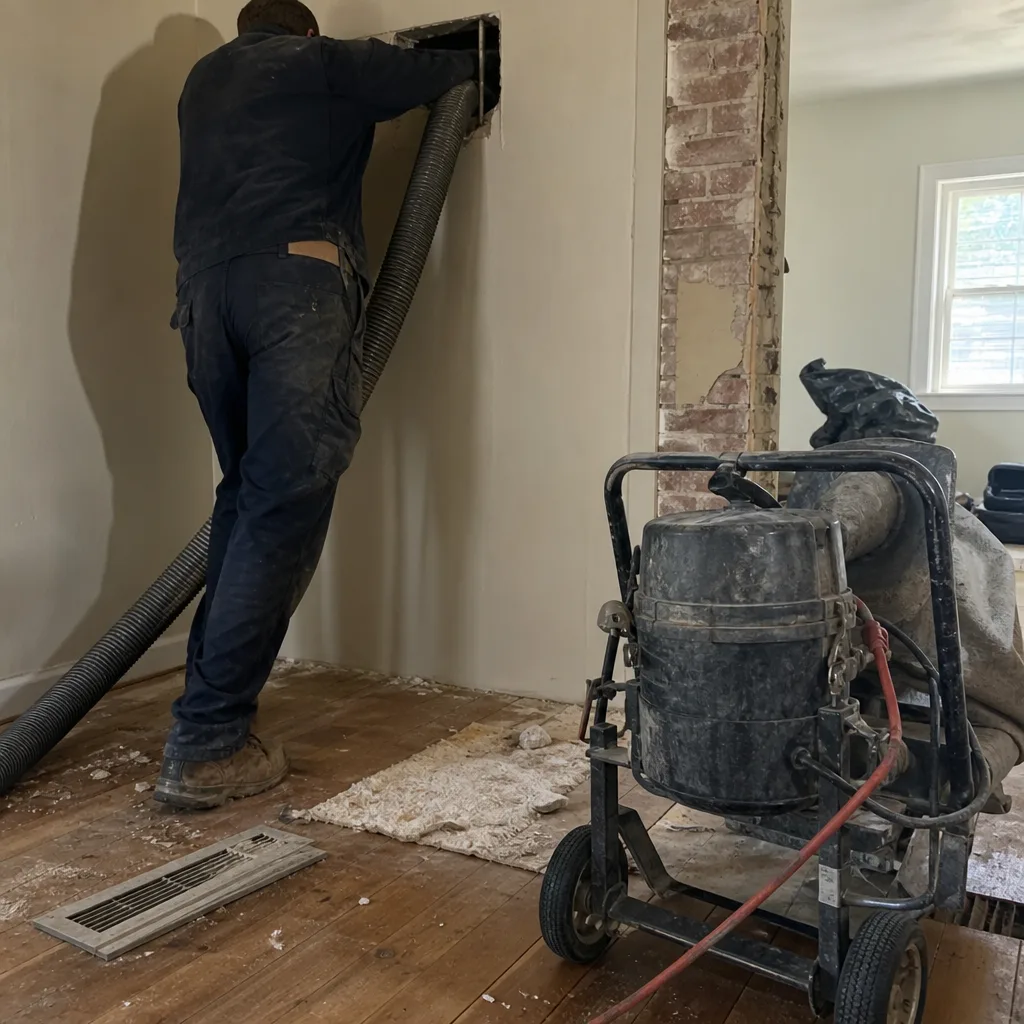 Before
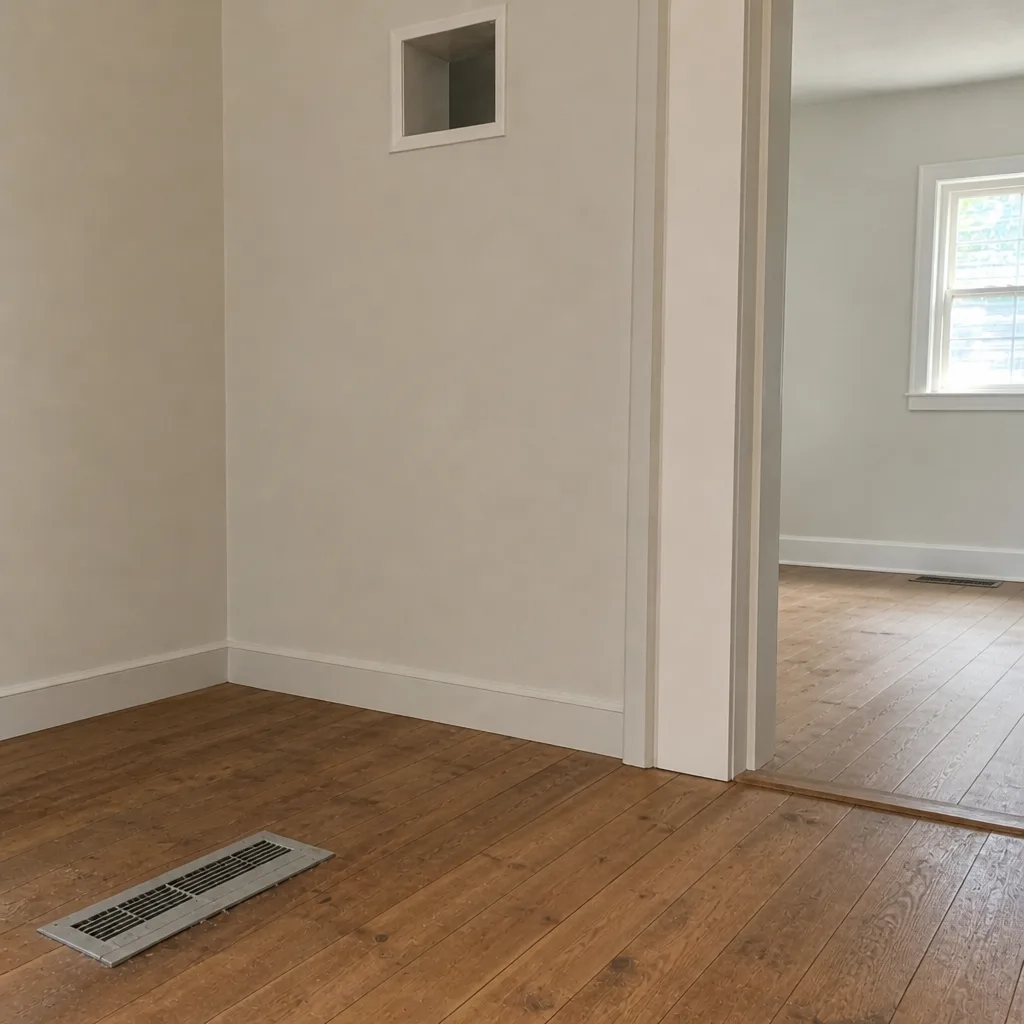 After
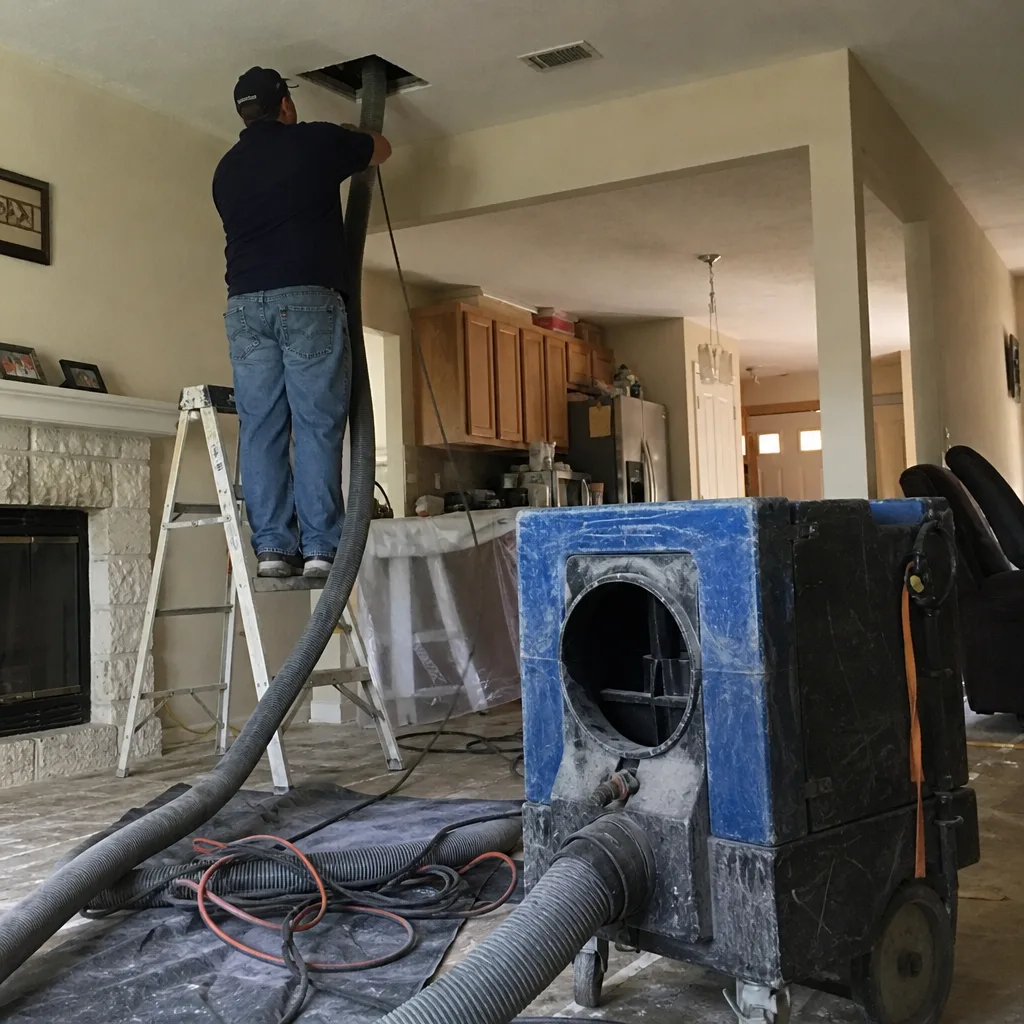 Before
 After
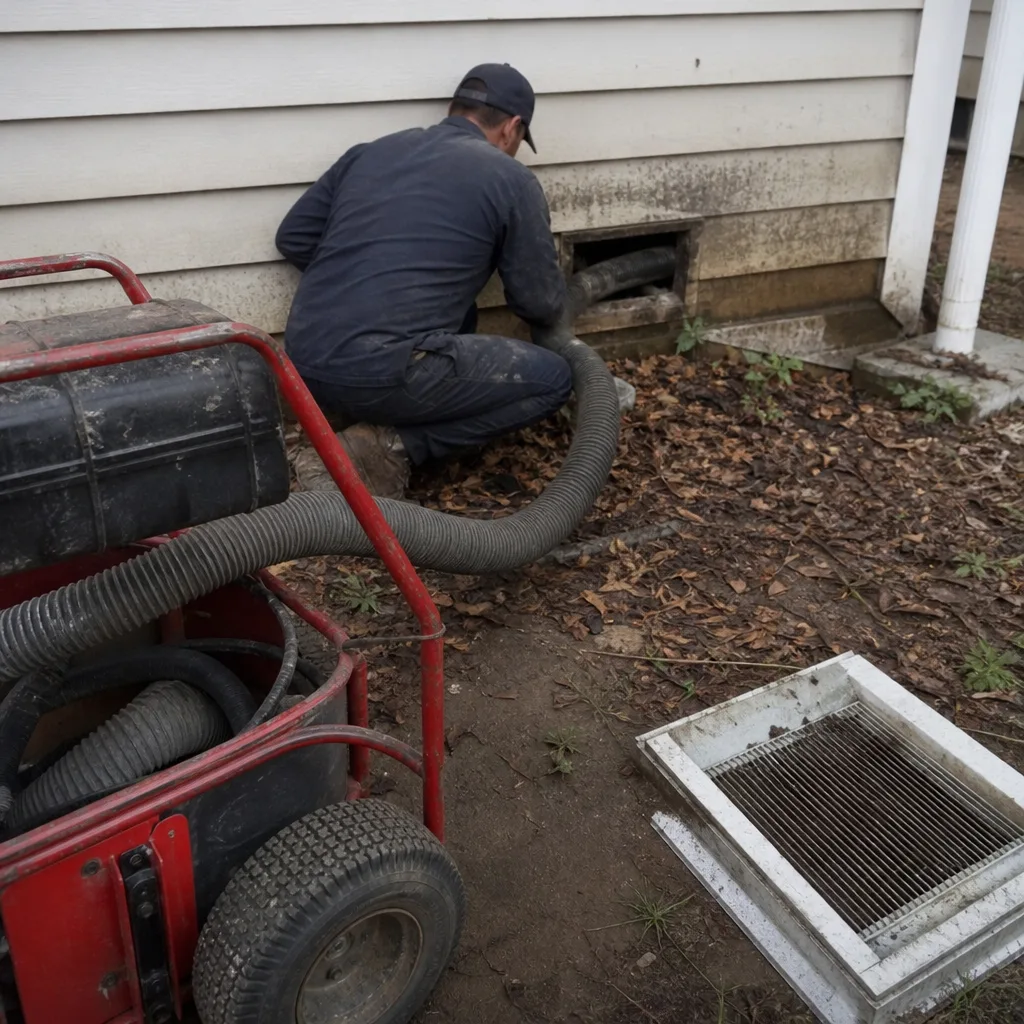 Before
 After
When to Call a Professional
Some situations push the decision out of the DIY column, and knowing them saves a lot of wasted effort. Call a professional if the ducts haven’t been cleaned in years and the home has never had the job done, if anyone in the household has asthma, allergies, or another respiratory condition, or if you see visible mold growth, rodent evidence, or matted debris inside the ductwork. Call if your system is older than the HVAC equipment or if you’ve noticed uneven airflow from different registers, which usually points to a failing duct run. And call before you consider the dryer vent a DIY job if the run goes through the attic or has more than one elbow. Duct Cleaning Waco offers free estimates in Waco – call (855) 745-6206. We answer 24/7. Fast dispatch from 7am to 7pm, Sunday through Friday.
Frequently Asked Questions
You can clean the register covers, the supply boots, and the first few inches behind each opening with a shop-vac. You cannot clean the ductwork itself, because a shop-vac doesn’t hold the system under negative pressure and can’t reach the interior walls of branch runs. The result is surface cleaning at the openings, not cleaning of the network.
Pricing in Waco is per-system, not per-vent, with the written estimate setting the final price before any work starts. That’s the honest way to quote it, and it’s why we avoid teaser coupons and per-register pricing that inflate once the technician is on site. Call (855) 745-6206 for an exact quote – estimates are free.
It can if it’s done with tools that loosen debris without capturing it. A shop-vac brush or consumer rod dislodges settled dust, and without whole-system negative pressure and HEPA capture, that dust exits through the nearest register into the room. Register cleaning done with the system off is safe; duct cleaning with a leaf blower or a shop-vac is not.
No. A leaf blower pressurizes the duct system and drives dust, debris, and any biological material into the living space through every leak and register. It doesn’t remove contamination; it relocates it into the air your family breathes. This is the single most common DIY mistake we hear about.
For most homes, professional cleaning every few years is reasonable, and register and filter maintenance covers the intervals. Homes with pets, allergy sufferers, or ductwork installed alongside aging HVAC equipment need it more often. Homes with new systems and well-maintained filters can go longer. The visual inspection is the deciding factor, not a fixed calendar.
Cleaning removes accumulated dust and debris from inside the ducts. Repair fixes structural problems – disconnected joints, collapsed flex runs, crushed sections, and leaks – that cleaning alone can’t resolve. A proper inspection identifies which one you’re dealing with. Duct cleaning around a broken joint doesn’t solve anything.
The Bottom Line
DIY duct cleaning in Waco is worth doing for the parts that are yours to do: register covers, filter changes, supply boots, and the first stretch of dryer vent. Everything past that – trunk lines, the plenum, the return network, and every inaccessible branch run – needs professional negative-pressure equipment and rotary agitation to clean properly rather than just loosen dust into the air. Check your own ductwork with a flashlight before you decide. If the registers are clean and the filters have been maintained, you’re fine. If the ducts haven’t been touched in years, if someone in the house has a respiratory condition, or if the dryer vent has more than one elbow, that’s the moment to look at professional cleaning. The right tools make the difference, and knowing where the DIY ceiling sits saves you wasted effort and a worse air quality problem than you started with.
Ready to get an honest read on your ductwork? Call Duct Cleaning Waco at (855) 745-6206 for a free estimate. We answer 24/7. Fast dispatch from 7am to 7pm, Sunday through Friday. We clean, repair, and clear the dryer vent – one way to get the full job done with the right equipment on site. Our technicians have up to 13 years of experience, and every job is priced per system with a written estimate before work starts. Breathe the difference.
Written by the team at Duct Cleaning Waco.