
Last updated November 15, 2026
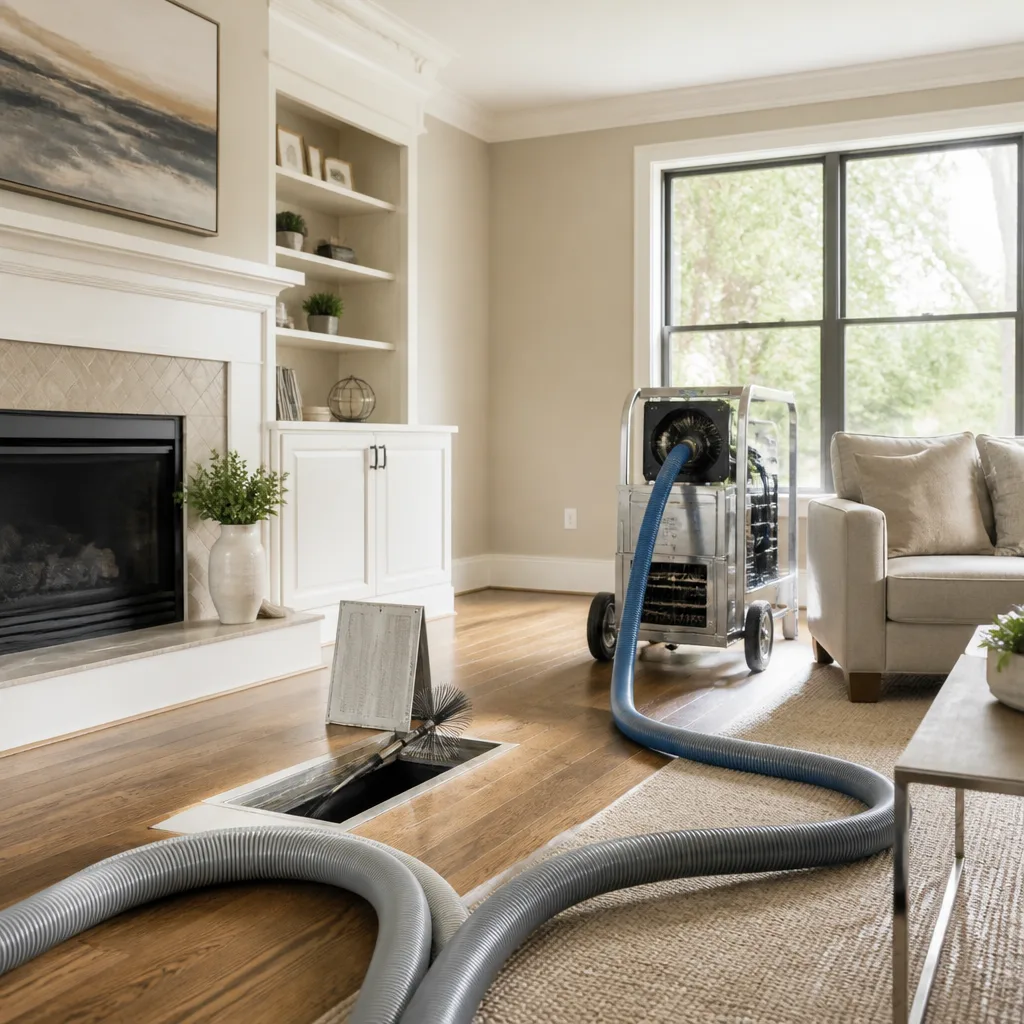 Whole-home duct cleaning
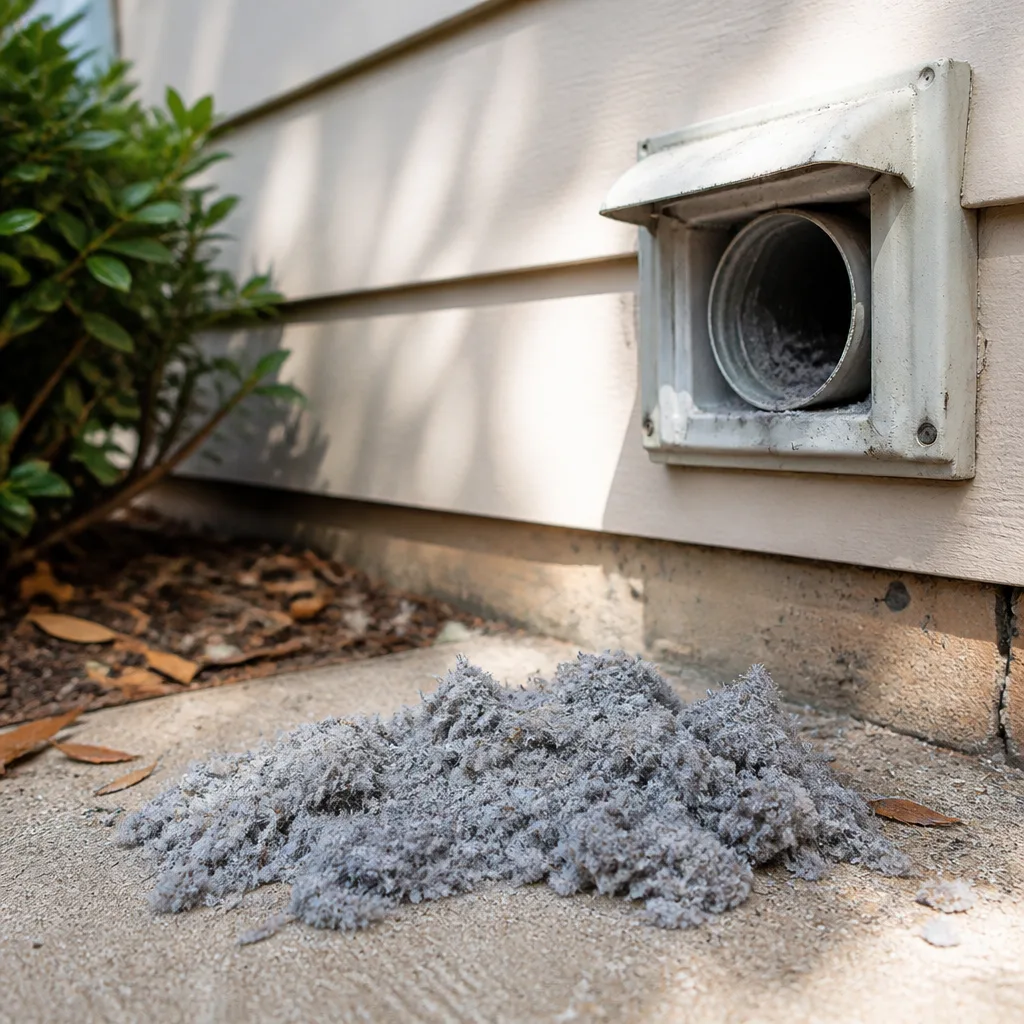 Dryer vent cleaning
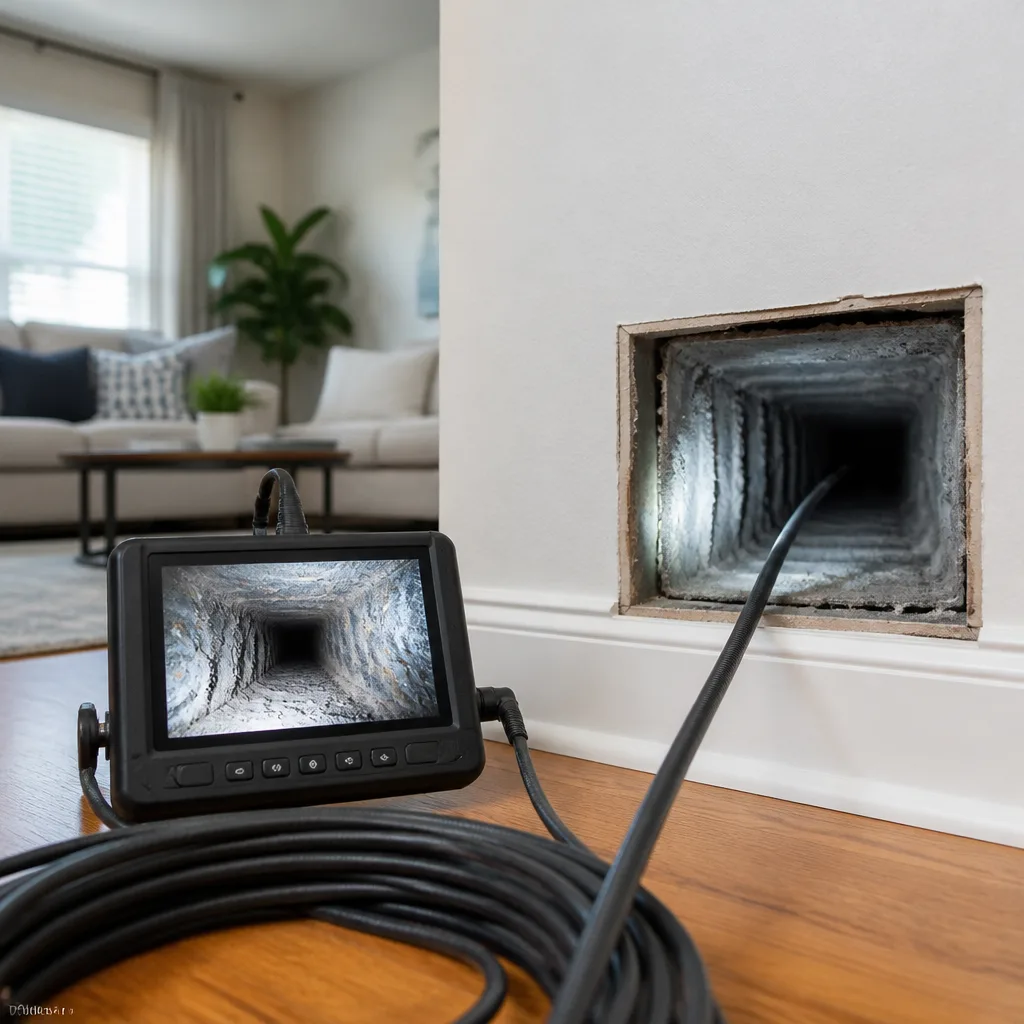 Camera inspection
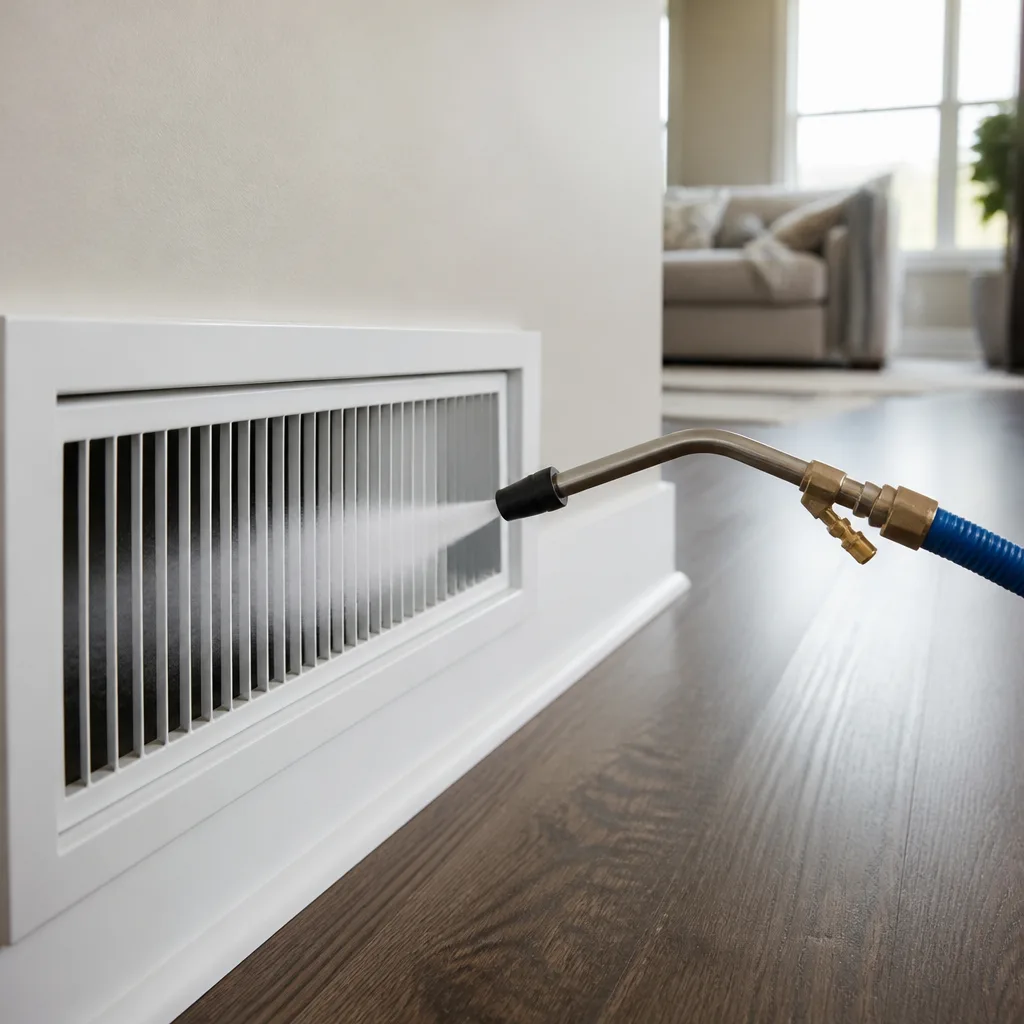 Sanitizing & deodorizing
Whole-system duct and dryer vent check with before-and-after photos - you see exactly what came out of your vents
That "$99 whole-house special" is a bait ad - the real number appears once they are in your hallway, or the "clean" is a shop-vac at the register. We photograph the inside of your ducts before and after instead.
Air Duct Cleaning Emergency Preparedness Guide for Waco Homes
Most homeowners think about duct cleaning as routine maintenance, something to schedule when the registers look dusty or the house starts smelling stale. But in Waco, ductwork sits inside a specific disaster profile: tornadoes, ice storms, flash flooding, and wildfire smoke that drifts in from surrounding ranch country. After a storm event, your ducts can pull in insulation fibers, attic debris, and outdoor particulates without leaving a single mark on the grilles you can see. This guide explains what to check after an event, when to shut the system down, and how to find a Waco contractor equipped to handle post-event duct damage instead of a routine cleaning visit.
Quick Answer
After a tornado near-miss, ice storm with roof damage, flash flood with crawlspace inundation, or heavy wildfire smoke event in Waco, inspect your duct system and attic before running the HVAC again. If you see debris in the return grilles, wet insulation near ducts, or a shifted air handler, do not run the system until a professional inspects it. Call a duct specialist equipped for post-event work, not a general maintenance crew. Duct Cleaning Waco offers free estimates and can be reached at (855) 745-6206.
Styles & brands we work with
- Whole-home duct cleaning
- Dryer vent cleaning
- Camera inspection
- Sanitizing & deodorizing
Table of Contents
- Four Waco Storm Scenarios That Require Post-Event Duct Inspection
- How to Assess Duct System Integrity After an Event
- When to Stop Running the HVAC: A No-Run Protocol
- Why Some Contamination Events Are a Health Hazard, Not Just a Nuisance
- What Homeowners Need for Insurance Claims on Post-Disaster Duct Cleaning
- How to Find a Waco Contractor Ready for Post-Event Calls
- The Right Tools for Post-Storm Duct Work
- Building Year-Round Duct Emergency Preparedness in Waco
Four Waco Storm Scenarios That Require Post-Event Duct Inspection
Waco sits in a part of Central Texas that catches tornado activity in spring, ice storms in winter, and flash flooding after heavy rain on the area’s clay-heavy ground. Wildfire smoke drifts in from surrounding ranch land during dry stretches. Each event type puts different contaminants into the same duct system, and each produces a different set of warning signs a homeowner can notice without equipment.
1. Tornado Near-Miss or Strike
A tornado doesn’t have to hit your house directly to damage ductwork. The pressure change as a funnel passes can shift roof decking slightly, pop a flex-duct connection loose in the attic, or lift insulation bats into return-air cavities. Waco homes in older neighborhoods like Sanger Heights and the streets near Cameron Park often have attic duct runs that are more vulnerable because the ductwork is flex, not rigid metal, and it sits close to the roof deck.
2. Ice Storm With Roof or Attic Damage
Waco winters are mild compared to the Texas Panhandle, but the area does see ice events that load tree limbs and cause roof flashing to loosen. When flashing pulls up, water can find its way into the attic and saturate insulation near flex ducts. Wet fiberglass insulation sitting against ductwork is a prime source of mold growth inside the duct exterior, and the smell often reaches the living space only after weeks of running the system.
3. Flash Flood With Crawlspace Inundation
Waco has a lot of homes on pier-and-beam foundations, and the crawlspace is often where the main trunk line runs. When heavy rain floods a crawlspace, standing water can wick up into the duct insulation and subfloor. That water brings silt, debris, and occasionally sewage from overwhelmed municipal systems. Ductwork that has been underwater or in standing water needs evaluation before any cleaning proceeds.
4. Wildfire Smoke Infiltration
Smoke from range fires in McLennan County and outlying counties can settle over Waco for days. Fine particulate drifts into homes through return ducts and the outdoor air intake. The visible haze clears, but the inside of the duct system and the air handler coil can hold onto the odor. Smoke infiltration is less structurally damaging than the other events, but it takes a specific filtration and cleaning approach to remove contaminants instead of just pushing them back into the living space.
If you live in any of these risk zones and want an idea of what a full-system cleaning involves before the next event hits, our air duct cleaning page walks through the process from return grille to air handler.
How to Assess Duct System Integrity After an Event
You don’t need professional equipment to make a useful first assessment. You do need to know what to look at and what a warning sign means. Walk the house in this order after any storm event that could have affected the duct system.
- Check every supply and return grille. Shine a flashlight into the return air grille. Insulation fibers, blown-in attic material, or dark debris on the filter face is a red flag. Loose debris inside the grille itself means the duct behind it needs professional investigation.
- Walk the attic or crawlspace if it’s safe. In the attic, look for flex duct that has come loose from a boot, sagging duct that sits in water, or duct tape that has peeled off. In the crawlspace, look for standing water, wet insulation on the ducts, or a trunk line that has come apart at a joint.
- Smell the air at each grille with the system off. A damp, musty, or sewage smell near one grille points to a localized problem. A uniform smell across all grilles means the contamination is in the air handler or main trunk.
- Inspect the outdoor unit and air handler closet. Debris packed against the outdoor coil reduces airflow and can force the system to pull harder through compromised ducts. In the air handler closet, look for water stains on the platform or rust on the cabinet seams.
- Test airflow at each register with a piece of tissue. Noticeably weaker airflow at one register after a storm can indicate a disconnected or crushed duct run.
- Note any new sounds. Rattling, whistling, or a sudden drop in airflow after an event are the sounds of a duct joint that has opened up.
Photograph everything you find. That record becomes the starting point for a professional inspection and, if needed, an insurance claim. Do not open the air handler cabinet, pull any electrical panels, or handle gas-connected equipment. Those components carry real risk and belong with a trained technician.
When to Stop Running the HVAC: A No-Run Protocol
The instinct after a storm is to switch the system back on and see if it still works. In several post-event scenarios, that instinct makes things worse. Running the HVAC pulls air through the return ducts and into the living space. If the ducts are full of insulation fibers, sewage residue, or mold spores from wet material, you are circulating that material through every room.
Trigger the No-Run Protocol When You See Any of These
- Wet insulation touching ductwork, or ductwork sitting in standing water after a flood
- Visible sewage residue on the air handler platform or nearby crawlspace surfaces
- Insulation fibers or construction debris inside a return grille
- A musty or sewage smell inside the house with the system already running
- A physically disconnected flex duct in the attic or crawlspace
- Water intrusion at the air handler, or rust on the cabinet
If any of those apply, switch the HVAC off at the thermostat and, if the situation is clearly hazardous, at the breaker. Then call a professional. Do not run a shop-vac into a return duct in an attempt to clean it yourself: you can pull contaminants further into the system, and you can damage the flex duct lining. Ductwork under a crawlspace that has flooded with sewage is a health concern, not a cleaning project.
If your home floods or a limb takes out a section of the system, our Waco service page covers how we handle post-event calls in neighborhoods across the city.
Why Some Contamination Events Are a Health Hazard, Not Just a Nuisance
Not every duct contamination event is the same. Dust from a windy day is a nuisance. Insulation fibers drawn in by a tornado, sewage residue from a flood, or mold from wet attic insulation belongs in a different category. The distinction matters for how the job is scoped and how the homeowner protects the family in the days before the technician arrives.
Post-Renovation Debris From Storm-Damaged Homes
When a storm damages a home and the rebuild begins, drywall, insulation, and roofing work can release fine particulate into the HVAC system. In older Waco homes, some building materials in the wall cavities and attic can contain asbestos, which is a serious hazard if it gets airborne. Running a system after that kind of work risks pulling disturbed fibers into the living space. If any part of your home was built before the 1980s and storm repair involves wall or ceiling demolition, treat the duct system as potentially impacted and have it inspected.
Sewage and Floodwater Contamination
Flash flooding in Waco can push stormwater and, in some cases, municipal sewage into crawlspaces. When that water contacts ductwork, the ducts are no longer just dirty; they carry biological contaminants. A standard cleaning does not address that scenario. That’s a remediation question, and it requires equipment like Abatement Technologies filtration units to capture contaminants rather than displace them into the air.
Mold Growth After Water Intrusion
Water intrusion from ice storm damage or a roof breach creates the conditions for mold inside duct insulation. Ductwork that has been wet for more than a day or two should be treated as compromised until inspected. The health risk from mold exposure is real, especially for family members with asthma or allergies. A visual check of the duct exterior won’t catch mold inside the duct lining, which is why professional inspection matters.
What Homeowners Need for Insurance Claims on Post-Disaster Duct Cleaning
Post-disaster duct cleaning often qualifies for coverage under homeowners insurance when the underlying event is a covered peril like a tornado, hailstorm, or ice storm. The claim won’t process without documentation, and most of that documentation has to be captured early, before the cleanup begins.
What to Photograph Before Cleanup
- Every exterior wall and roofline that shows storm damage
- The attic and crawlspace, including any wet insulation, disconnected duct, or standing water
- Inside the return grille showing debris or contamination
- The air handler closet and any water intrusion or rust
- Debris piled anywhere the system draws outdoor air
- Damaged window, door, or roof components that let outdoor air in
What a Contractor Should Provide in Writing
A written scope of work is the backbone of a claim. When you call a duct contractor for post-disaster work, ask for an estimate that clearly separates inspection from cleaning from any repair, and includes the before-and-after photos of your ducts as part of the record. A flat price per system, agreed before work begins, gives the adjuster a single number to evaluate. Avoid contractors who will only give a verbal estimate or who bill hourly without a scope.
Filing Timeline
Report the loss to your insurer before cleanup begins. Most carriers want the chance to photograph the site themselves or send an adjuster, and moving forward with cleaning without documenting the pre-clean condition can complicate the claim. The written estimate and photos are what the adjuster uses to approve the work.
How to Find a Waco Contractor Ready for Post-Event Calls
After a major storm event in Waco, the phone lines of every HVAC and duct cleaning company in town light up at once. Some crews that show up in that window are routine maintenance teams trying to handle a job that calls for post-event equipment and process. A few specific questions help you separate one from the other before you book.
- Ask what equipment they bring. A professional duct crew should be able to name the systems they use. Rotobrush rotary brush-and-vacuum equipment and Nikro HVAC cleaning gear are purpose-built for ductwork. If the answer is “a big vacuum,” that’s not enough. Ask specifically whether they use filtration equipment like Abatement Technologies units for post-storm work.
- Ask whether they do duct repair. Storm damage frequently requires reconnecting, re-sealing, or replacing a section of flex duct. A company that offers duct cleaning in Waco and duct repair under the same roof can handle both phases. If they can only clean around the damage, you’ll need to find a second company to repair it.
- Ask how they price. A professional crew quotes one flat price per system, agreed before work begins, not a per-vent charge or an hourly rate that balloons on site. Ask for the price in writing.
- Ask for before-and-after photos. A serious contractor will photograph the ducts before cleaning and after. This matters for insurance documentation and for your own confidence that the job was done.
- Ask whether they service your specific HVAC equipment. Homes running Honeywell or Aprilaire components have specific return and filter setups, and post-event work touches those systems. A contractor who knows them will have an easier time with the inspection and the cleaning.
- Ask what they will not do. A contractor who is candid about the limits of a duct cleaning job, and who will send you to a remediation specialist when the situation calls for it, is more trustworthy than one who says yes to everything.
Our technicians have up to 13 years of experience on residential duct systems, and the equipment list we bring reflects the seriousness of post-storm work. You can reach us at (855) 745-6206. We answer 24/7.
The Right Tools for Post-Storm Duct Work
Ductwork after a storm is not the same as ductwork after a light dust season. Equipment designed for surface dust won’t handle insulation fibers packed into a flex run, or sewage-contaminated crawlspace duct, or smoke residue that has settled into the air handler coil. The difference is in the tools on the job.
Rotobrush Rotary Brush-and-Vacuum Systems
Rotobrush is a professional duct-cleaning platform that uses a rotating brush head to agitate duct surfaces while a vacuum pulls dislodged material out of the system. For a Waco home that took in insulation fibers or attic debris after a storm, that cycle of agitation plus capture is what makes it actually leave the duct. A shop-vac on the end of a hose doesn’t have the brush action or the sustained negative pressure to accomplish the same result.
Nikro HVAC Cleaning Equipment
Nikro equipment is standard among serious HVAC cleaning professionals. It’s built for reaching into trunk lines and register boots, and it’s paired with HEPA filtration so displaced material doesn’t get pushed back into the living space. For post-flood or post-renovation work, the filtration step matters as much as the cleaning step.
Abatement Technologies Filtration
Abatement Technologies makes industrial-grade air-filtration and contaminant-removal equipment. That’s the difference between a cleaning and a remediation. When the duct system holds sewage residue, mold spores, or fine particulate from demolition, filtration equipment captures contaminants instead of moving them into the house air.
Compatibility With Your HVAC System
We work with homes running Honeywell and Aprilaire components, and with Guardsman product lines. Post-storm cleaning involves the return-air path, the filter housing, and the coil in the air handler, and all of those need to be handled with attention to the specific system in your home. If the equipment brand isn’t a fit for what we’re seeing, we’ll say so.
Dryer vents belong in this picture too. Storm work often unearths long-standing lint buildup inside the vent run, and clearing it is a fire-safety issue, not just a cleaning nice-to-have. Our dryer vent cleaning service covers that as a standalone job.
Building Year-Round Duct Emergency Preparedness in Waco
Emergency preparedness for ducts isn’t just what you do after the storm. It’s what you put in place before the next one, so the response window doesn’t slip past. A few specific steps help.
- Know your duct layout. Locate the main trunk, the air handler, and each return. Write it down. After a storm, knowing where to check saves hours.
- Keep a flashlight and a phone charger in a known drawer. Sounds trivial. After the power comes back on, it isn’t.
- Photograph the ducts and system now, before any event. A baseline photo of a clean return grille and a properly connected flex run makes the before-and-after comparison clear for an adjuster later.
- Schedule a cleaning at a routine interval. A system that starts clean handles post-event contamination better than one already loaded with dust. Cleaning before storm season is not wasted work.
- Keep your HVAC contractor’s number on file. Not the emergency line for the power company. The duct contractor who can handle post-event calls.
- Check the dryer vent at the same time. Lint buildup is a fire risk independent of storm events, and clearing it when the rest of the system is being evaluated is efficient.
For homeowners and property managers responsible for multiple units in Waco, an annual walkthrough with a duct specialist gives you a written baseline for insurance and for showing tenants that the system was maintained. That’s worth the schedule.
Common Mistakes to Avoid
- Running the HVAC immediately after a storm “to see if it works.” If the ducts took in insulation fibers, wet material, or debris, running the system moves contaminants into every room. Assess first, run second.
- Hiring whoever answers the phone fastest in the post-storm rush. Some outfits that appear right after a major Waco event are general handymen with a shop-vac. Ask which equipment they bring and whether they do duct repair before you book.
- Skipping the insurance documentation. Photographs and a written scope have to be captured before cleanup. Once the ducts are cleaned, the pre-clean condition is gone.
- Treating flood-contaminated ductwork as a routine cleaning. Sewage or standing-water contamination requires a different scope than dust and debris. If a contractor quotes the cleaning without asking about the water source, ask again.
- Ignoring the dryer vent during storm season. A dryer vent packed with lint is a fire risk year-round, and storm-damaged roof work sometimes leaves the vent flapper in need of inspection. Include it in the walkthrough.
- Accepting a per-vent price. A duct job priced per vent invites inconsistent work and inflates the total. Ask for one flat price per system, agreed before cleaning begins.
- Assuming a light smell means the problem is minor. A musty odor after an ice storm that damaged your roof often indicates wet insulation sitting against ductwork. That needs inspection, not air freshener.
See the difference
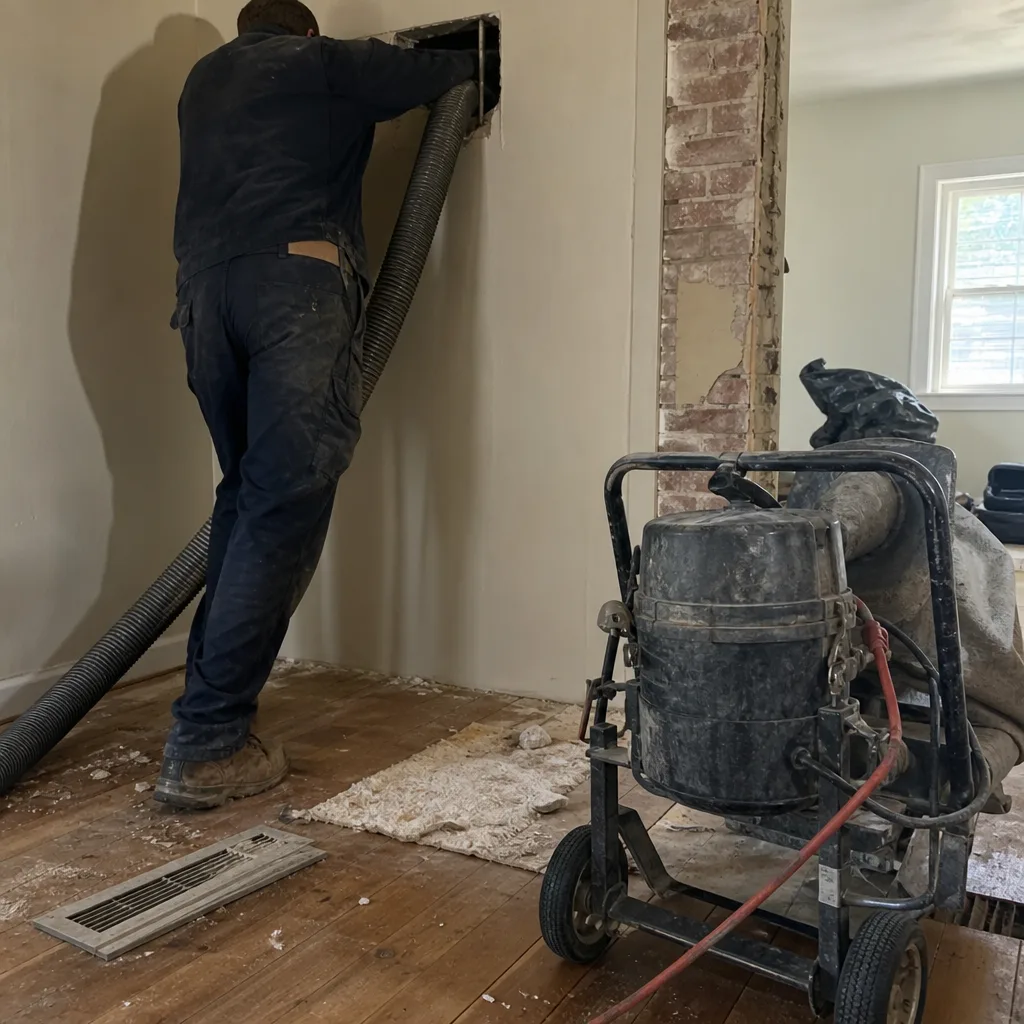 Before
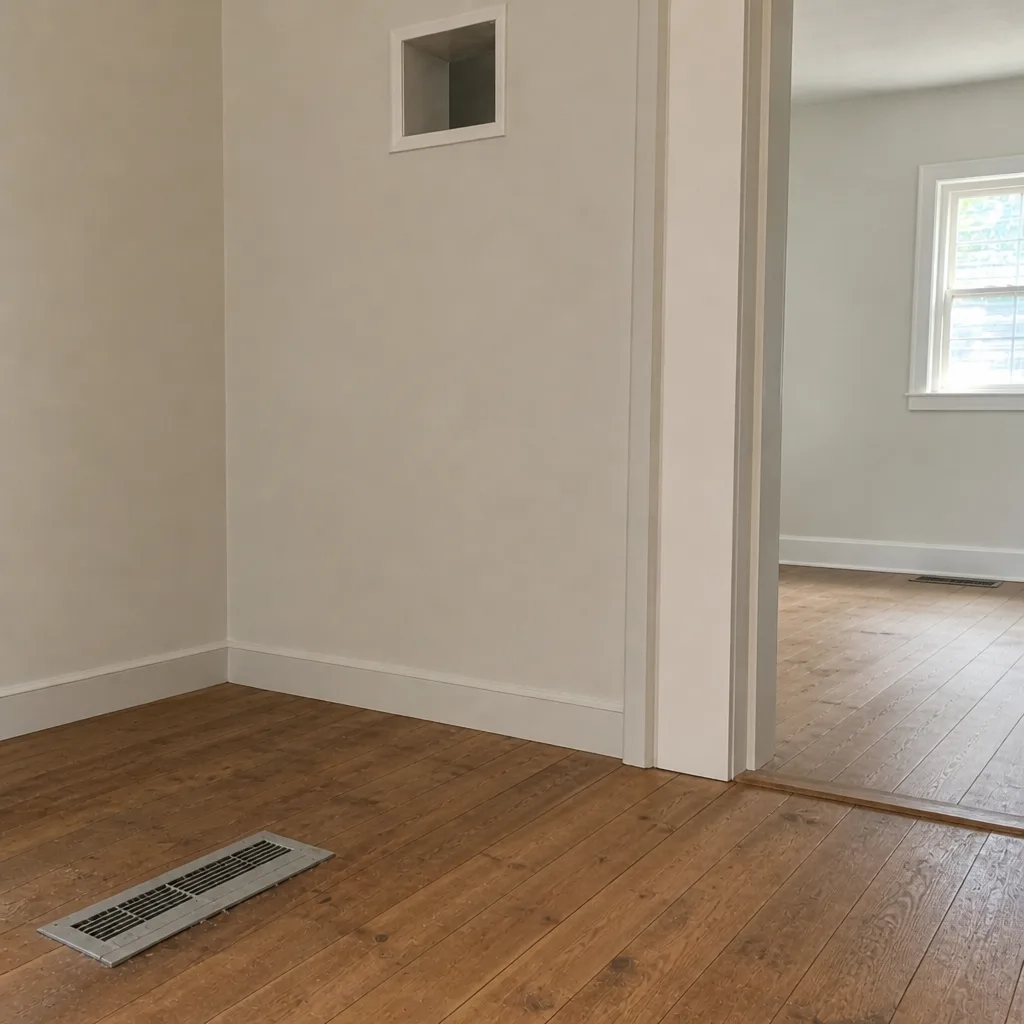 After
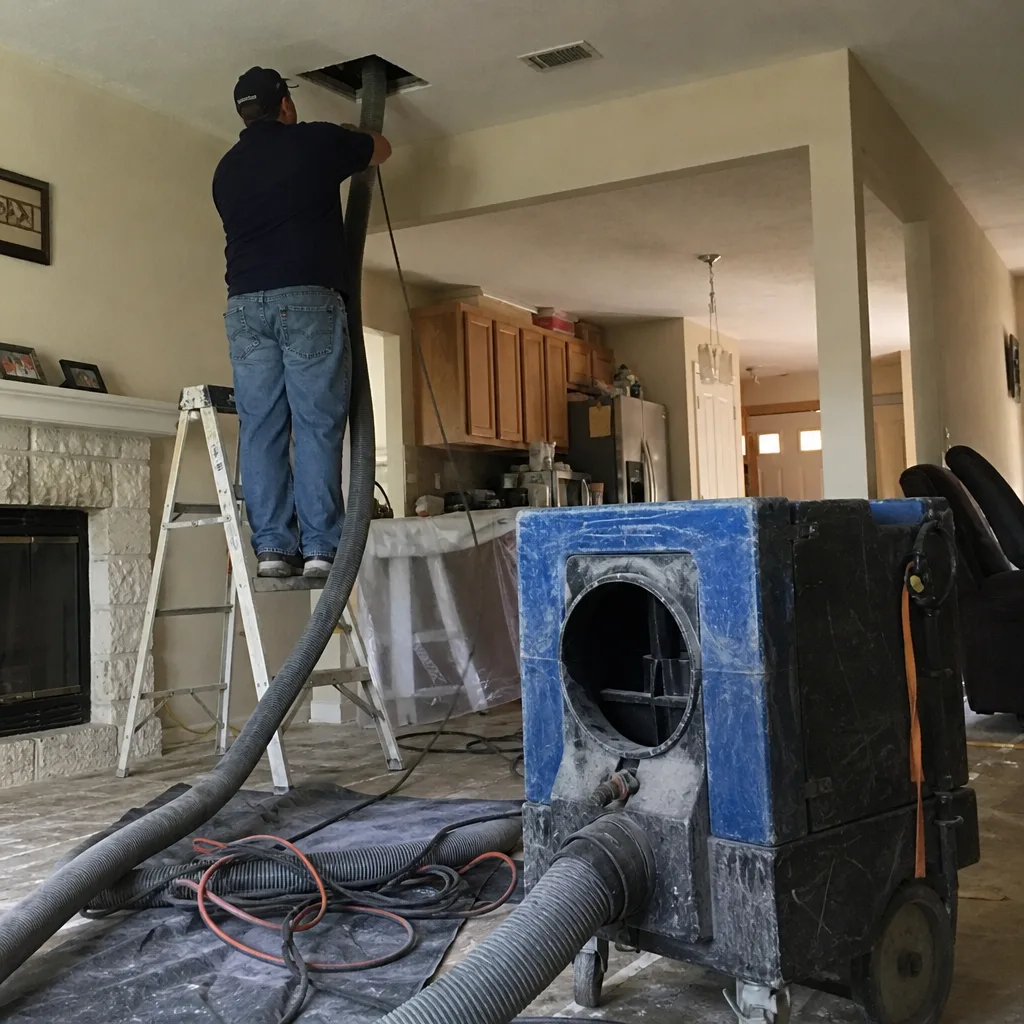 Before
 After
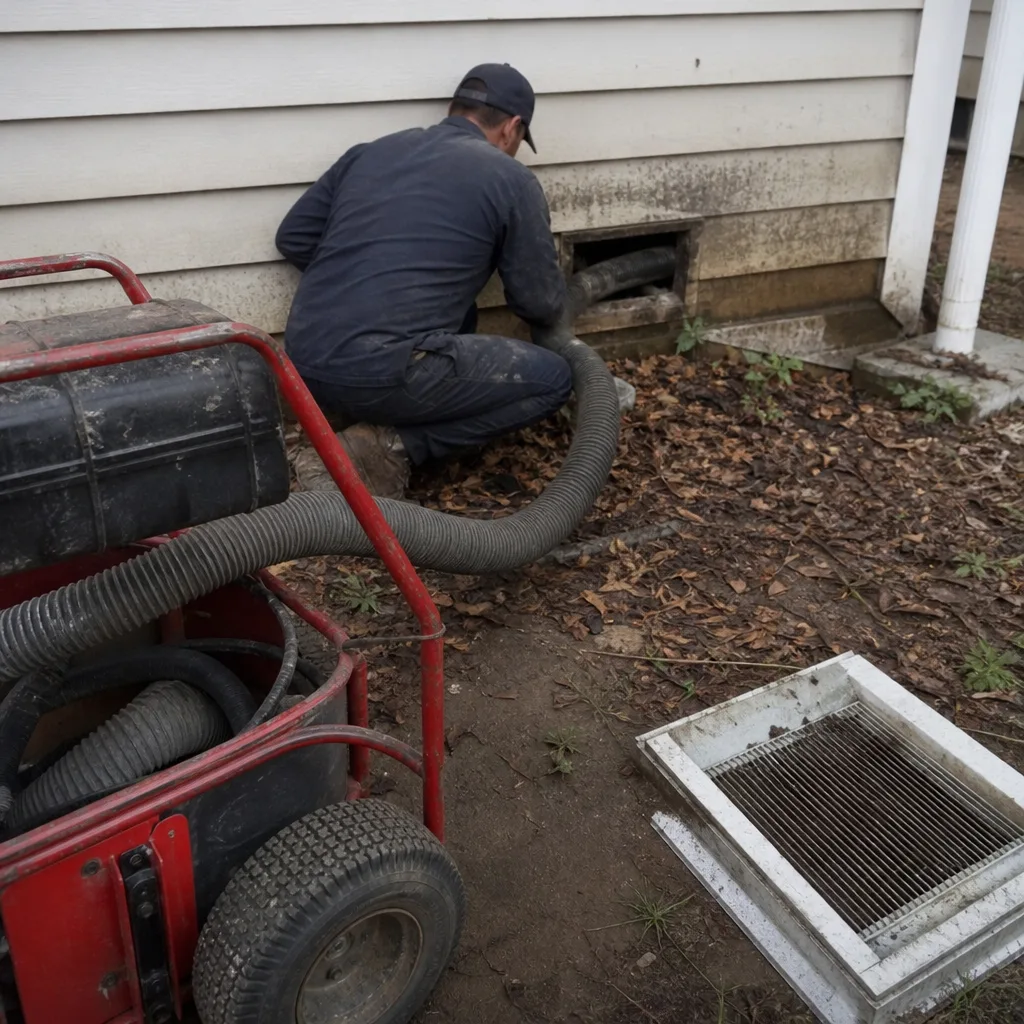 Before
 After
When to Call a Professional
Call a professional duct contractor after any tornado near-miss, ice storm with roof damage, flash flood that reached the crawlspace, or heavy smoke event. Call immediately if you see insulation fibers inside a grille, a disconnected flex duct, water staining at the air handler, or a musty or sewage smell inside the house. For routine cleaning or to schedule a pre-storm season evaluation, call as well. Duct Cleaning Waco offers free estimates and works with your insurer when post-disaster duct cleaning is covered. Call (855) 745-6206. We answer 24/7, and fast dispatch runs from 7am to 7pm, Sunday through Friday. The price is set per job by a written estimate, agreed before any work starts.
Frequently Asked Questions
Post-storm duct cleaning in Waco is quoted per job, not per vent, and the price depends on the size of the system, the extent of contamination, and whether duct repair is needed. We give a flat price per system before any work begins. Call (855) 745-6206 for a free estimate, and we’ll walk through what we’d scope.
Call within the first 24 to 48 hours if you suspect duct contamination, and sooner if you smell sewage, musty air, or see water intrusion at the air handler. The faster the inspection happens, the less likely small wet spots become mold growth. Call (855) 745-6206 for an exact scheduling window. We answer 24/7.
Coverage depends on your policy and whether the storm event is a covered peril. Many policies cover post-disaster duct cleaning when the contamination traces to storm damage, but the paperwork has to be in order. Photograph everything before cleanup, ask for a written scope of work from the contractor, and file with your insurer before work begins. Call (855) 745-6206 and we can provide the estimate and photos you’ll need.
Cheap quotes often skip the filtration equipment, the duct repair, and the documentation that make a post-storm job complete. A price that looks low on the front end often doesn’t cover insulation fiber removal or sewage-contaminated material. The written estimate sets the final price, and one flat price per system is what you should ask for. Call (855) 745-6206 for a straight answer.
Ask for before-and-after photos of your own ducts, taken by the technician. A professional contractor will photograph the dirty condition and the post-cleaning condition as part of the record. If a company won’t provide photos, that’s a signal. Call (855) 745-6206 to schedule work that includes photographic documentation.
Ductwork doesn’t need cleaning after every storm, only after events that could have introduced contamination: tornado near-misses with attic damage, ice storms with roof leaks, floods with crawlspace water, or heavy smoke events. Outside of those events, a routine cleaning every few years keeps the system ahead of dust buildup. Call (855) 745-6206 to talk through your specific situation.
The Bottom Line
Waco’s storm profile creates post-event duct contamination that most homeowners can’t see and often don’t think to check. The right response is a calm sequence: assess the system before running it, photograph what you find, shut down if the signs point to contamination, document everything for insurance, and call a contractor equipped for post-storm work with the right tools and a written scope. Our technicians have up to 13 years of experience, and we bring Rotobrush, Nikro, and Abatement Technologies equipment to the job because post-event cleaning is a different scope than routine dust removal. If a storm just passed through, call (855) 745-6206. We answer 24/7. Fast dispatch from 7am to 7pm, Sunday through Friday. Estimates are free, and the price is set per job by the written estimate.
Written by the team at Duct Cleaning Waco.