
Last updated November 15, 2026
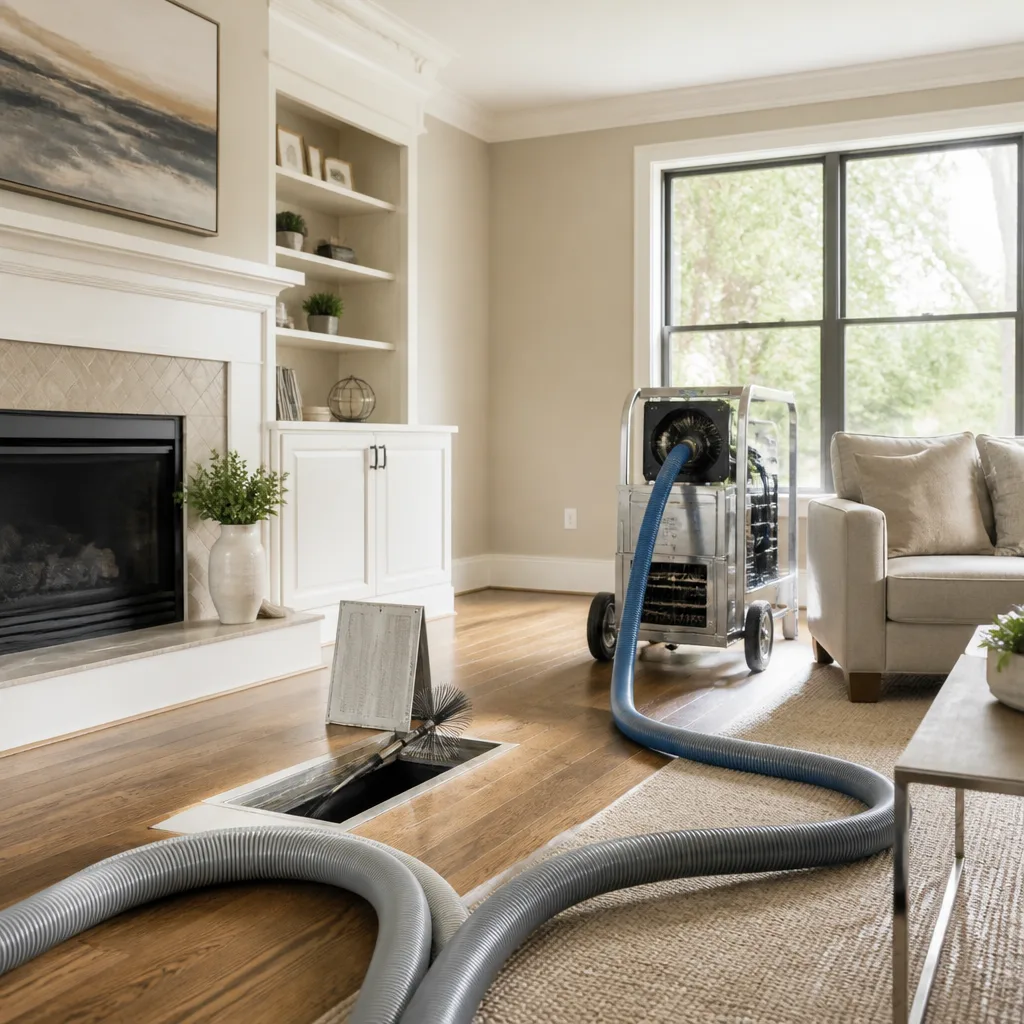 Whole-home duct cleaning
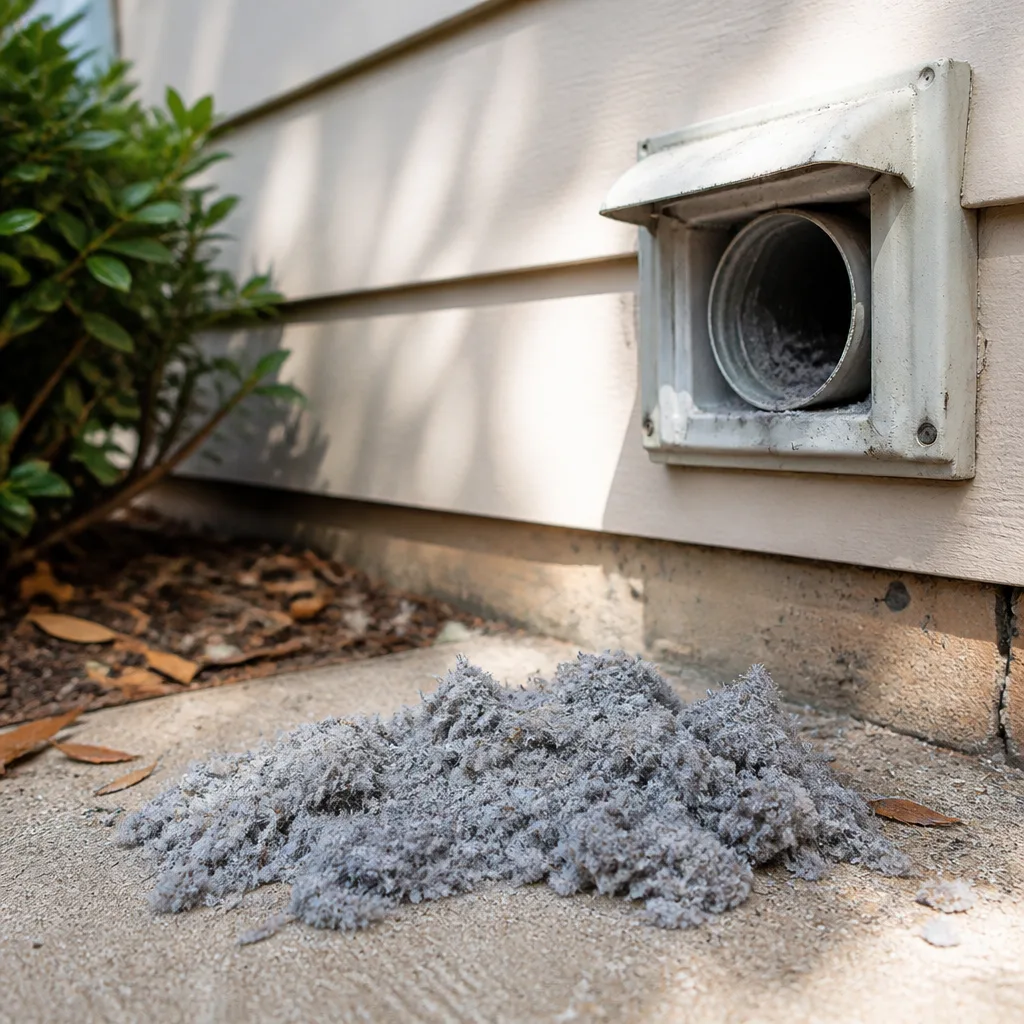 Dryer vent cleaning
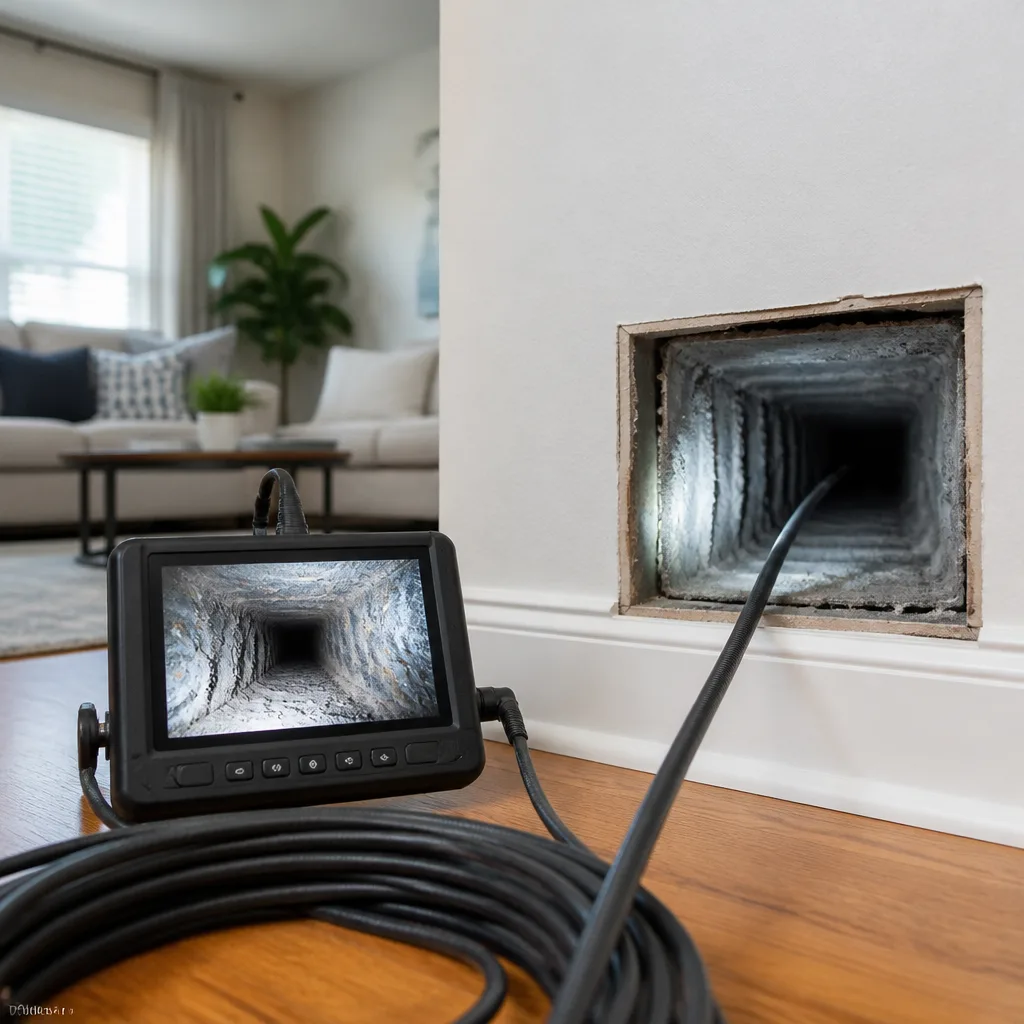 Camera inspection
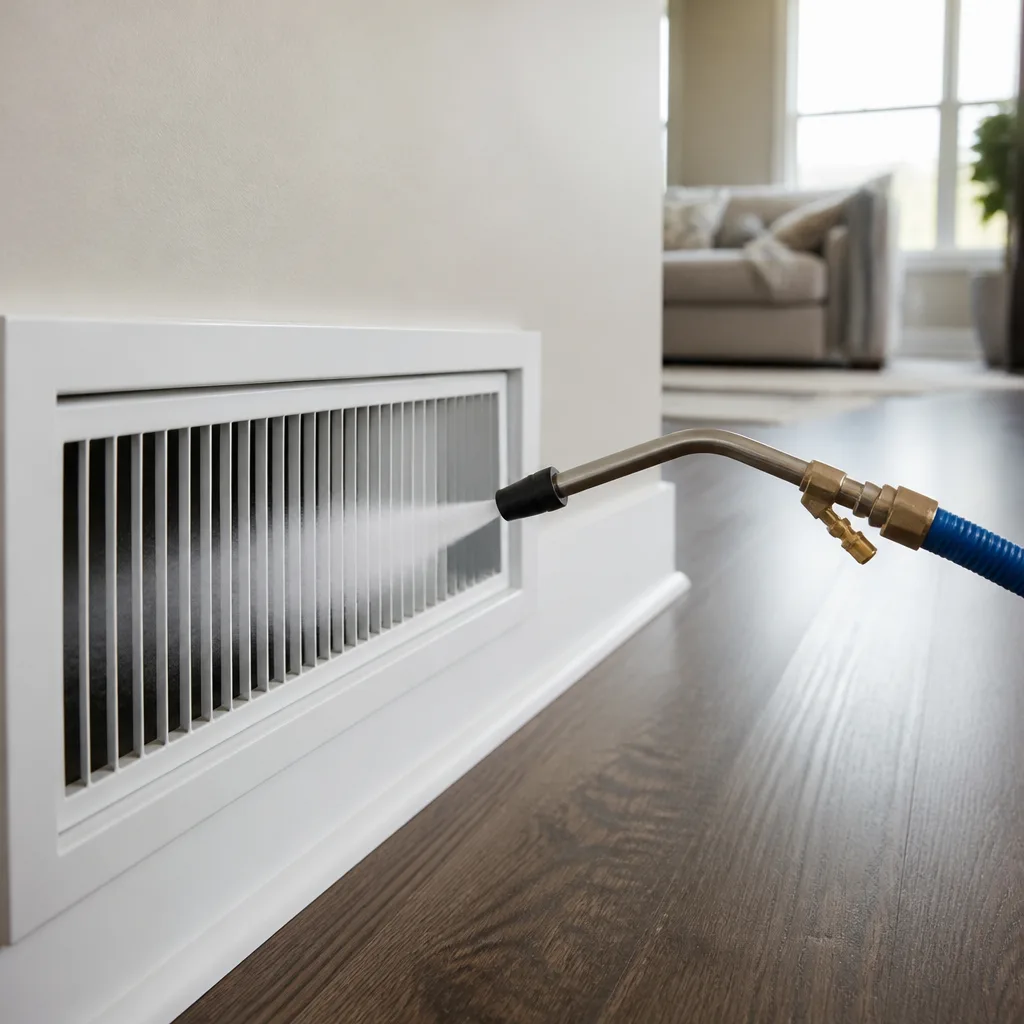 Sanitizing & deodorizing
Whole-system duct and dryer vent check with before-and-after photos - you see exactly what came out of your vents
That "$99 whole-house special" is a bait ad - the real number appears once they are in your hallway, or the "clean" is a shop-vac at the register. We photograph the inside of your ducts before and after instead.
Air Duct Cleaning Maintenance Checklist for Waco Homeowners
Changing your filter on schedule feels productive. It’s the one duct-related task most Waco homeowners do religiously, and it’s genuinely worth doing. But a clogged return grille or a disconnected flex duct in a 140°F attic will undo six months of filter discipline in a week. Duct maintenance isn’t a cleaning calendar. It’s a set of observable conditions you can check yourself, room by room, that tell you whether your system is staying clean or degrading quietly behind the drywall. This guide gives you that checklist: what to look at, what Waco’s specific climate does to ductwork, how to log what you find, and which findings mean it’s time to call a specialist.
Quick Answer
A homeowner maintenance checklist for air ducts in Waco comes down to three things: checking every supply and return register monthly for dust patterns and airflow, logging what you find so a technician can compare baseline to current condition, and knowing the local triggers (cedar pollen, attic heat above 140°F, storm infiltration) that accelerate contamination between professional cleanings. Filter changes alone don’t protect ductwork; visible condition checks do.
Styles & brands we work with
- Whole-home duct cleaning
- Dryer vent cleaning
- Camera inspection
- Sanitizing & deodorizing
Table of Contents
- Why Cleaning Frequency Is the Wrong Question
- The Room-by-Room Inspection Routine
- Waco-Specific Triggers That Accelerate Contamination
- Filter MERV Ratings Calibrated to Waco’s Allergen Calendar
- How to Log Duct Condition Over Time
- Homeowner Upkeep vs. Professional Inspection
- When the Right Answer Is Repair, Not Cleaning
- The Dryer Vent Belongs on the Same Checklist
Why Cleaning Frequency Is the Wrong Question
Most advice about duct maintenance starts with a number: clean every three to five years, or every two to three, depending on which page you read. Those numbers are guesses dressed up as guidance. Ductwork doesn’t accumulate contaminants at a clockwork rate. It responds to what’s happening around it: how much pollen is in the air, how well the house is sealed, whether the attic duct runs are intact, how the system was installed in the first place.
Two houses on the same block in Waco can have wildly different duct conditions after the same interval. One has a tight envelope and a filter that gets changed on schedule. The other has a return grille packed with pet hair and a flex run in the attic that came loose two summers ago. Cleaning both on the same calendar makes no sense.
The better question is: what does my system look like right now compared to when it was last professionally serviced, and has anything changed? That question has a measurable answer. You can see dust patterns at registers. You can feel airflow at each supply. You can look at the filter and the return grille and notice when something’s off. The checklist in this guide is built around those observations, not around a countdown.
One more thing worth saying plainly: duct cleaning isn’t a cosmetic service. It’s contamination removal, and it only works when it’s done with equipment designed for ductwork rather than a shop-vac with an extension hose. Keep that in mind as you build your own maintenance habits, because the same principle applies to what you check and how you judge what you find.
The Room-by-Room Inspection Routine
Walk your house once a month with a flashlight and a notepad. That’s the whole routine. Fifteen minutes if you’re thorough, less once you know your house. The goal is consistency, not intensity, so pick a day and stick with it.
- Start at the air handler or furnace closet. Look at the filter. If it’s gray and matted, note how long it’s been in. Check the return plenum connection for gaps or tape peeling away. Look at the closet floor for dust streaks that suggest air is escaping the system instead of moving through it.
- Inspect every return grille in the house. Remove the grille if it lifts out. Shine the light up into the return boot. You’re looking for a uniform dust film versus heavy clumping, pet hair mats, or visible debris. Note any grille where the dust looks notably worse than the others.
- Check each supply register. Hold a tissue or a strip of light paper against the grille with the system running. It should pull steadily. Weak airflow at one register while others are strong is a signal, not a coincidence. Also look at the register fins themselves for dark streaking, which often points to dust being pushed through a gap at the boot.
- Look at the ceiling and wall around each register. A faint dark halo around a supply grille means air is leaking around the edge rather than through the fins. That’s an envelope issue and a duct-sealing issue at once.
- Walk the attic if you have one, from the hatch, with a light. You don’t need to crawl through it. Look at the visible flex duct runs. Sagging runs, disconnected collars, torn outer jackets, or ducts crushed against a truss are all findings worth writing down. Never walk on the ceiling joists or handle anything electrical up there; note the problem and leave the repair to a professional.
- Smell test each room. A musty or stale odor that appears when the system kicks on, in one room and not others, is a condition worth logging. So is a dusty smell that wasn’t there last month.
None of this requires tools beyond a flashlight and a notepad. What it requires is repetition, because a single snapshot tells you less than three months of snapshots compared side by side.
Waco-Specific Triggers That Accelerate Contamination
Ductwork in Waco faces a specific combination of pressures that a generic national checklist won’t account for. Understanding them is what turns a routine inspection into useful maintenance intelligence.
Cedar pollen season
Central Texas has its own pollen calendar, and cedar is the headline act. When cedar pollen is heavy, it doesn’t stay outside. It rides in on shoes, on pets, through door openings, and through any gap in the building envelope, and a portion of it ends up pulled into the return air stream. The filter catches what it can; the rest settles on duct surfaces. During and just after cedar season is when you’ll see the fastest change in return-grille dust patterns. Log what the grilles look like before cedar season and after it, and you’ll have a real measure of how much your system is taking in.
Attic heat above 140°F
Waco summers push attic temperatures past 140°F on many afternoons. Flex duct lives up there. The inner liner and the outer jacket are both heat-sensitive materials, and sustained high heat over years makes them more brittle and more prone to failure at the seams and collars. A duct that was sealed tight three summers ago can develop a gap at a collar without any obvious sign from inside the house. That gap pulls attic air, insulation fibers, and whatever else is up there straight into your supply stream. This is why the attic walk is on the monthly checklist and why air duct cleaning without a look at the duct runs themselves misses half the picture.
Storm-driven infiltration
Spring storm season in Central Texas means wind-driven rain and rapid pressure changes. Both push air, and whatever’s in it, through weak points in the envelope. After a significant storm, it’s worth rechecking the registers nearest exterior walls and the attic runs near the roof line. Storm infiltration doesn’t usually announce itself. It shows up later as a dusty smell or a faster-than-usual return grille buildup.
Older housing stock and additions
A lot of the housing in and around Waco includes older homes with additions and retrofitted HVAC. Retrofits often leave duct runs that were sized for a different system, with transitions and junctions that don’t seal as well as new construction. Those junctions are where contamination collects first.
Filter MERV Ratings Calibrated to Waco’s Allergen Calendar
Filter selection is the one maintenance decision that shapes everything downstream. Get it right and the duct surfaces stay cleaner between professional cleanings. Get it wrong and you either under-filter or you choke your system trying to over-filter.
MERV ratings run on a scale where higher numbers capture smaller particles. The tradeoff is airflow resistance. A filter that’s too restrictive for your system’s design will reduce airflow, strain the blower, and in some cases cause the system to pull air from unintended gaps. That last outcome is worse than the dust you were trying to catch.
- MERV 8: The practical baseline for most Waco homes. Captures a meaningful share of pollen and larger particles without adding much resistance. A sensible year-round choice if you don’t have specific allergy concerns.
- MERV 11: A step up for households with allergy sufferers or pets. Worth considering during cedar season, but check that your system’s return duct and blower are sized to handle the added resistance. If your system already struggles for airflow, don’t go here.
- MERV 13: High capture, high resistance. Only appropriate if your HVAC was designed for it. Most residential systems in Waco were not. Using one anyway is a common mistake that trades dust capture for airflow problems.
On timing: a filter’s life isn’t a calendar interval, it’s a condition. In Waco, cedar season and the dusty weeks after a storm shorten filter life. Mild months extend it. Check the filter monthly and replace it when it’s visibly loaded, not when a box says it’s time. If you have pets, factor that in too. Pet hair loads a filter faster than dust alone.
If your system uses a branded filter cabinet or media setup, note the brand on your log. Honeywell and Aprilaire media cabinets, for example, take specific filter sizes and ratings, and matching them correctly matters more than chasing a higher MERV number.
How to Log Duct Condition Over Time
The single most useful thing you can do for your ductwork is keep a record. Not because paperwork is fun, but because a technician walking into a house with a log can do their job faster and more accurately than one starting from zero. “Here’s what my returns looked like in March and here’s what they look like now” is worth more than any description of how the house feels.
Keep it simple. A notebook, a spreadsheet, or even a folder of phone photos all work. What matters is that each entry captures the same things each time.
- Date and season. Cedar season, post-storm, mid-summer heat. Season tells the story.
- Filter status photo. One photo of the filter next to a reference object gives you a visual timeline.
- Return grille photos. Same grille, same angle, every month. Consistency is what makes the comparison useful.
- Airflow notes. The tissue test at each supply, noted as strong, moderate, or weak. Any change is worth flagging.
- Attic observations. Anything you noticed from the hatch: sagging runs, visible gaps, torn jackets.
- Odor and comfort notes. New smells, rooms that feel stuffier than others, dust settling faster on one surface than another.
When you eventually have a professional out for duct cleaning or an inspection, hand them the log. They can compare your baseline to the current state and give you a much more precise recommendation than “clean it every few years” ever could. This is also how you verify the work afterward: photos before, photos after, and a written record of what was found and what was done.
Homeowner Upkeep vs. Professional Inspection
Not every finding needs a phone call. Knowing which is which keeps you from over-calling and from under-calling, and both mistakes cost money.
Keep doing these yourself
- Monthly filter checks and replacement when loaded.
- Register grille removal and surface cleaning with a vacuum brush attachment.
- Monthly walk-through with the tissue test and photo log.
- Visual attic check from the hatch, no climbing.
- Keeping return paths clear of furniture and rugs.
Call a professional when you see these
- Heavy clumping or matted debris visible in the return boot, not just surface dust.
- A duct run in the attic that’s disconnected, crushed, or has a torn outer jacket.
- Persistent musty odor that appears only when the system runs.
- Weak airflow at one or more registers that doesn’t improve after a filter change.
- Visible dust blowing out of a supply register when the system starts.
- Dark streaking around supply grilles that gets worse over months despite cleaning.
- Any sign of pest activity in ductwork or attic runs.
There’s also a category of finding that’s genuinely dangerous to handle yourself, and it’s worth being direct about it. Electrical components in the air handler and furnace closet, gas connections, and anything involving the blower assembly are not homeowner territory. A visual check from a safe distance is fine. Anything beyond that should be handled by a trained professional. The same goes for climbing into the attic to reach a disconnected collar; heat, joists, and insulation make that a job for someone with the right equipment and experience.
When the finding calls for professional work, the equipment matters as much as the diagnosis. Rotary brush-and-vacuum systems like Rotobrush, Nikro cleaning equipment, and Abatement Technologies filtration gear are built for ductwork specifically. A shop-vac with a hose doesn’t reach duct surfaces with enough agitation to remove what’s adhered to them, and it doesn’t contain what it loosens. Our technicians have up to 13 years of experience, and they work with equipment from those brands because ductwork deserves more than a hardware-store vacuum.
When the Right Answer Is Repair, Not Cleaning
Some duct problems can’t be cleaned away because the duct itself is the problem. A disconnected flex run, a crushed section, a torn jacket, a failed collar seal: cleaning a system with these faults means cleaning it today and watching it get dirty again from the same source. The repair comes first.
This is where a lot of duct work gets done backwards. Cleaning around structural damage looks effective in the short term. Airflow improves a little, dust settles down, everyone feels better. Then the gap pulls attic air back into the supply stream and the problem returns. In Waco, where attic heat puts real stress on flex duct materials, this scenario plays out often enough that we treat air duct repair as a separate service rather than an add-on.
The checklist findings that point toward repair rather than cleaning:
- Visible separation at a duct collar or joint.
- Flex duct that sags, kinks, or is crushed against framing.
- A torn or missing outer jacket on an attic run.
- Duct tape that has dried, curled, or failed at a seam.
- Airflow at a register that can’t be explained by filter condition.
If you’re seeing any of these, the repair comes first and the cleaning follows. That order matters. If your system runs branded components like Honeywell or Aprilaire controls or Guardsman duct materials, note them in your log. When a technician knows what’s already in the system, repair and cleaning decisions get more precise.
The Dryer Vent Belongs on the Same Checklist
The dryer vent isn’t ductwork, but it’s a duct, and it’s the one in your house with a fire-safety consequence. Lint is highly combustible, and lint accumulation in a dryer vent is a documented fire risk. That’s a safety issue, not a comfort one, and it deserves a place on any maintenance checklist.
Monthly, do a simple visual check: pull the dryer out slightly if the vent is accessible, and look for lint accumulation around the connection. Check the exterior vent flap to confirm it opens freely when the dryer runs. If drying times have gotten longer, or clothes come out hotter than they used to, that’s a sign of restricted airflow and worth acting on.
Professionally, dryer vent cleaning should be part of the same maintenance rhythm as your duct checks. Fire prevention is the reason, and it’s verifiable: clear the lint and the risk drops. If you’re in a rental or manage property in Waco, this belongs on your unit turnover checklist too.
Common Mistakes to Avoid
- Treating filter changes as the whole job. A fresh filter doesn’t fix a disconnected attic run. The filter is one part of the system; the grille, the boots, and the duct runs are the rest.
- Choosing the highest MERV rating available. A MERV 13 filter in a system designed for MERV 8 restricts airflow and can cause the blower to pull air from unintended gaps. Match the rating to your system, not to the marketing on the box.
- Skipping the attic check because it’s hot up there. In Waco, attic duct damage from summer heat is one of the most common findings. A two-minute look from the hatch is worth it.
- Cleaning a system without addressing structural duct damage. Cleaning around a disconnected collar wastes the cleaning. Repair first, then clean.
- Judging duct condition by how the house feels. Dust and contamination build up gradually. The house feels fine right up until it doesn’t. Photos and logs catch what your nose misses.
- Forgetting the dryer vent entirely. It’s the one duct in the house with a fire risk attached. Skip it and you’re missing the most safety-relevant item on the list.
- Hiring on price alone without asking what equipment will be used. A quote that doesn’t mention the equipment is a quote you can’t compare. Ask what system they’ll run.
See the difference
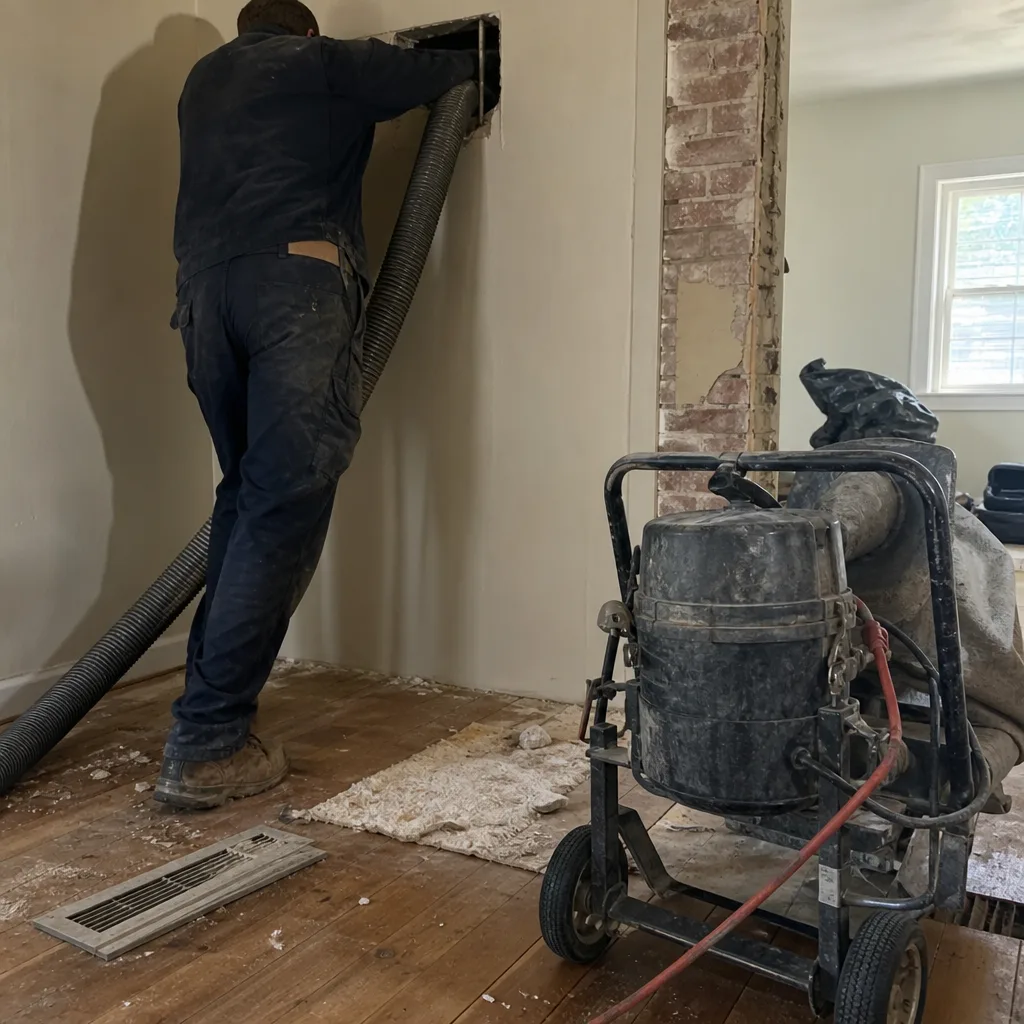 Before
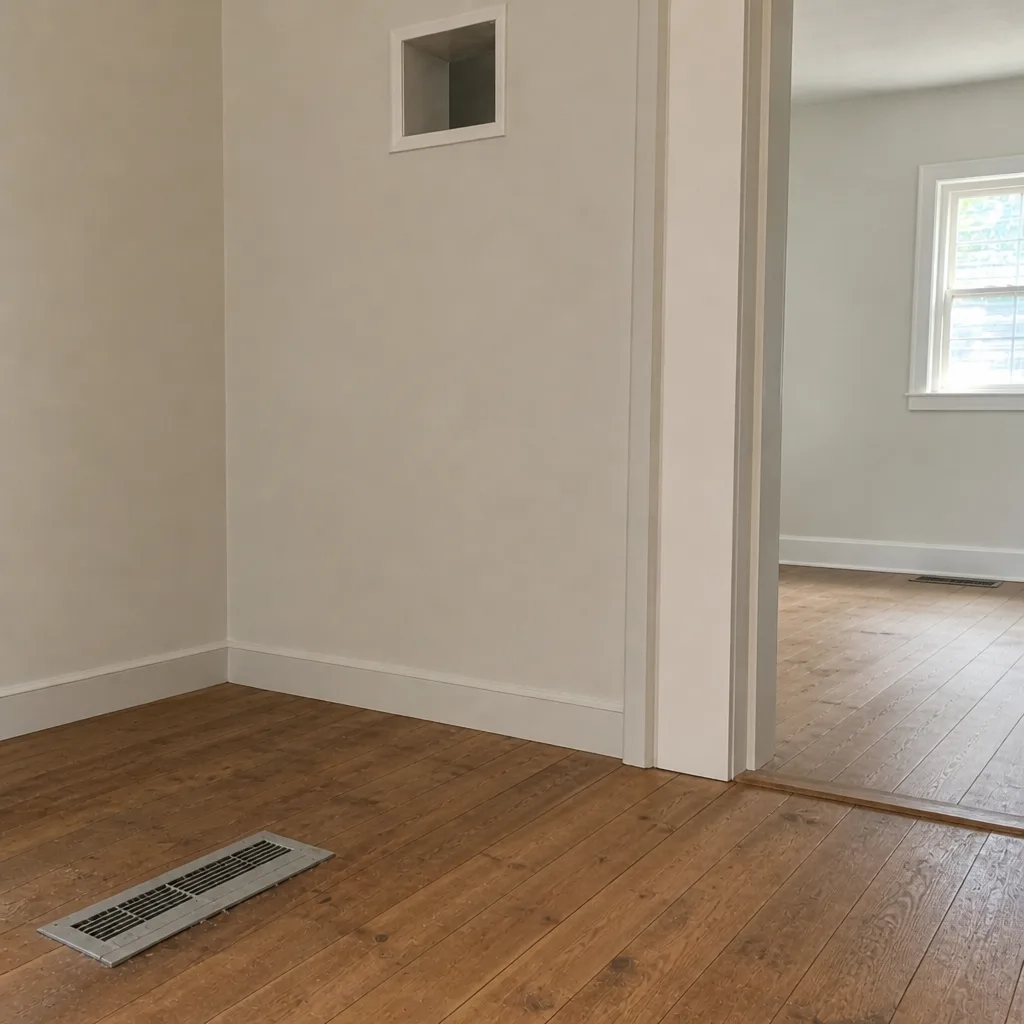 After
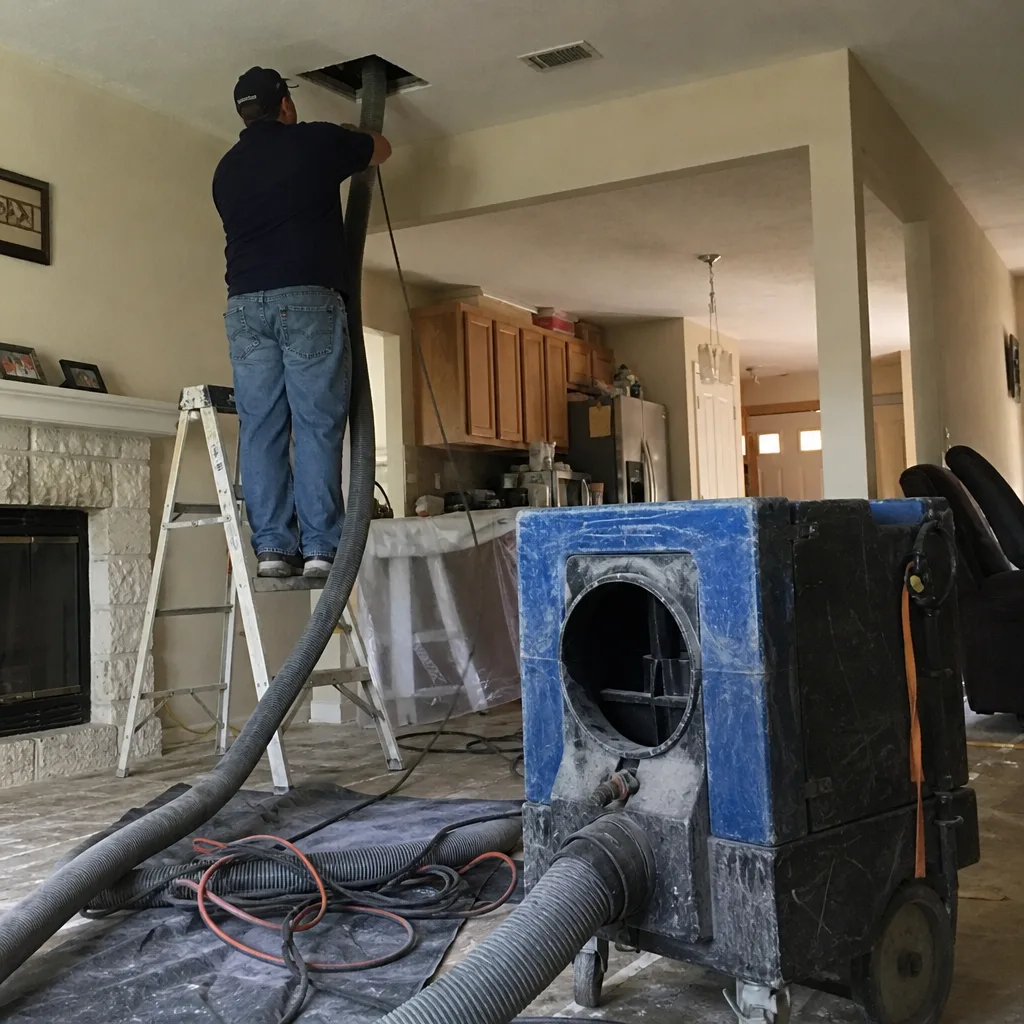 Before
 After
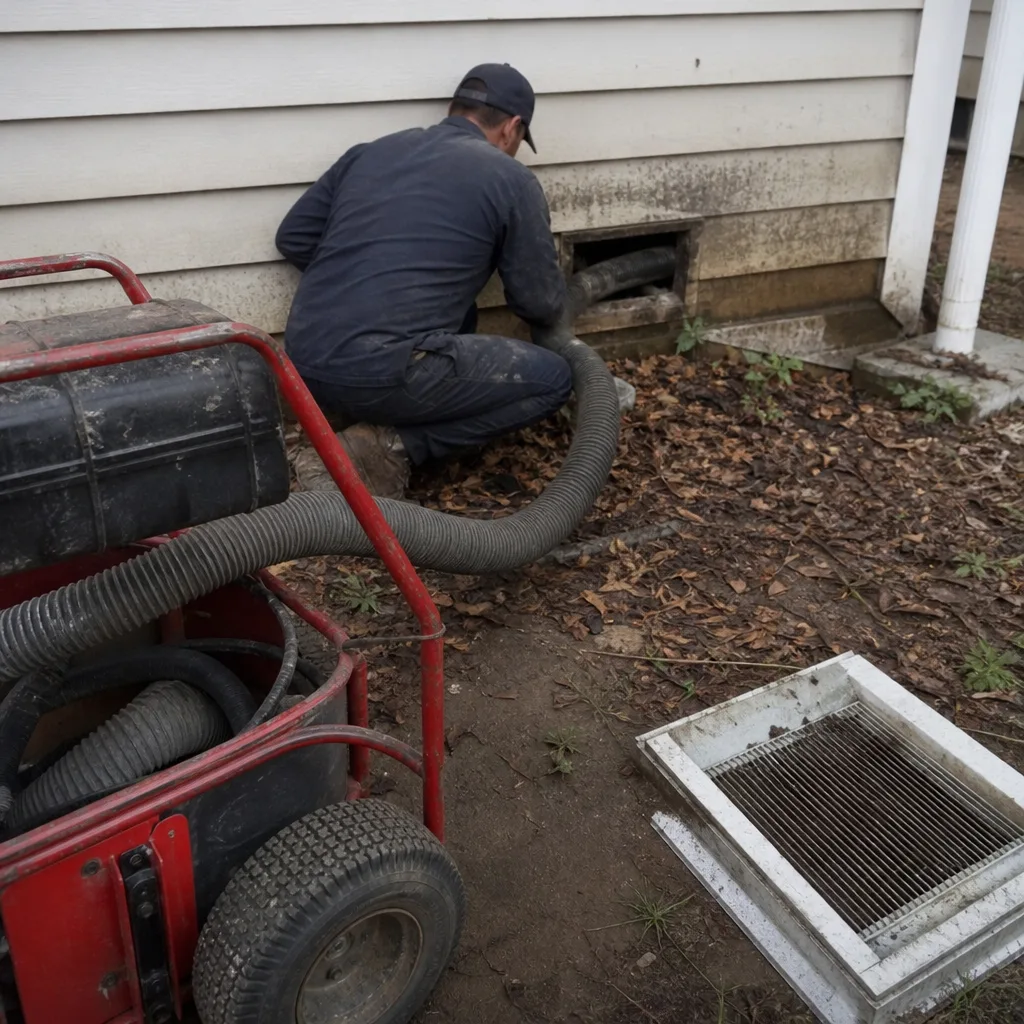 Before
 After
When to Call a Professional
Call when you see findings you can’t classify, when airflow drops at a register without an obvious filter cause, when a musty smell appears only with the system running, or when the attic walk shows a duct that’s disconnected, crushed, or torn. Call if you’re seeing pest activity or heavy debris in a return boot. And call if it’s simply been a while and you want a baseline: a professional inspection gives you a starting point that makes every future checklist entry more useful. Duct Cleaning Waco offers free estimates in Waco; call (855) 745-6206. We answer 24/7. Fast dispatch from 7am to 7pm, Sunday through Friday. One flat price per system is agreed before work starts, and you get before-and-after photos so you can verify what was done.
Frequently Asked Questions
There’s no fixed interval that fits every Waco home. Cleaning should follow condition, not a calendar. Homes near heavy cedar pollen exposure, homes with pets, and homes with older retrofitted ductwork tend to need it sooner. Use a monthly checklist and photo log to see how fast your system accumulates contamination, and let that guide the timing.
Only up to the airflow limit of your system. A MERV 8 or 11 filter captures a substantial share of pollen and dust without restricting airflow on most residential systems. A MERV 13 in a system not designed for it can reduce airflow and cause other problems. Match the filter to the system’s design, not to the highest number available.
A single room with noticeable dust usually points to a duct or register issue specific to that room. Common causes include a leak at the supply boot, a disconnected or crushed run serving that room, or a return path that’s blocked by furniture. Log the room, note the airflow, and get that run checked.
Waco attics routinely reach temperatures above 140°F in summer. Sustained heat makes flex duct jackets and inner liners more brittle over time, which makes seams, collars, and joints more likely to fail. A failed connection pulls attic air and insulation fibers into your supply stream. Monthly visual checks from the attic hatch catch most of these before they become a bigger problem.
Ask for before-and-after photos of your own ductwork, and compare them to your own monthly log photos. A serious duct cleaning company will show you what they found and what they did, run professional equipment (Rotobrush, Nikro, Abatement Technologies are industry-standard brand names to look for), and give you one flat price per system agreed before work starts.
Repair comes first when structural damage is present. Cleaning a system with a disconnected collar, a torn jacket, or a crushed run means the same contamination source stays active. Find the damage, fix it, then clean. If you’re not sure which category your finding falls into, an inspection will tell you.
The Bottom Line
A duct maintenance checklist for Waco homeowners isn’t a cleaning schedule. It’s a monthly habit: check the filter, walk every register, do the tissue test, look at the attic from the hatch, and log what you find. Waco’s cedar pollen season, attic heat above 140°F, and storm infiltration drive contamination at different rates in different homes, so the log itself is the guidance. Repair before cleaning when the duct itself is the problem. Keep the dryer vent in the routine because of the fire risk. And when the findings call for professional work, ask what equipment will be used.
If you’d like a professional baseline for your checklist, call Duct Cleaning Waco at (855) 745-6206 for a free estimate. We answer 24/7. Fast dispatch from 7am to 7pm, Sunday through Friday. One flat price per system, agreed before work starts, with before-and-after photos.
Written by the team at Duct Cleaning Waco.