
Last updated November 15, 2026
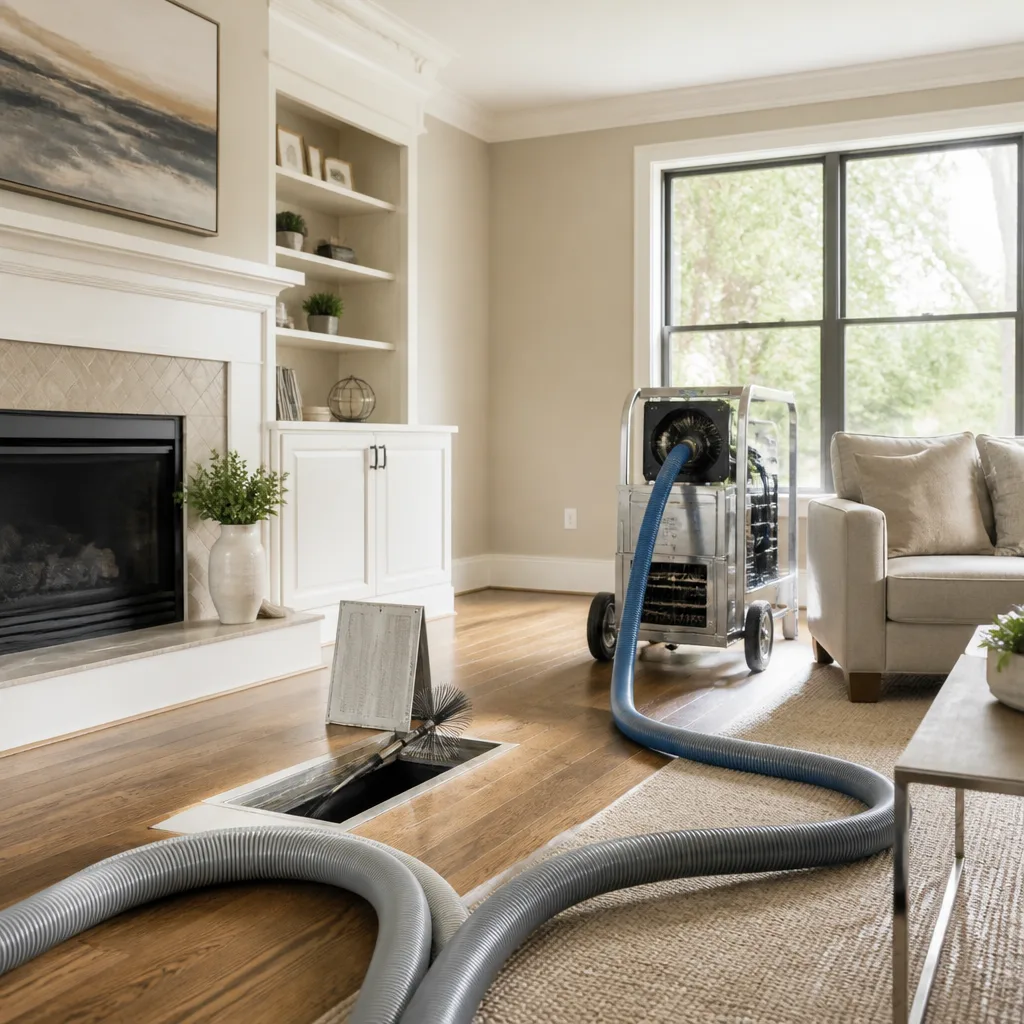 Whole-home duct cleaning
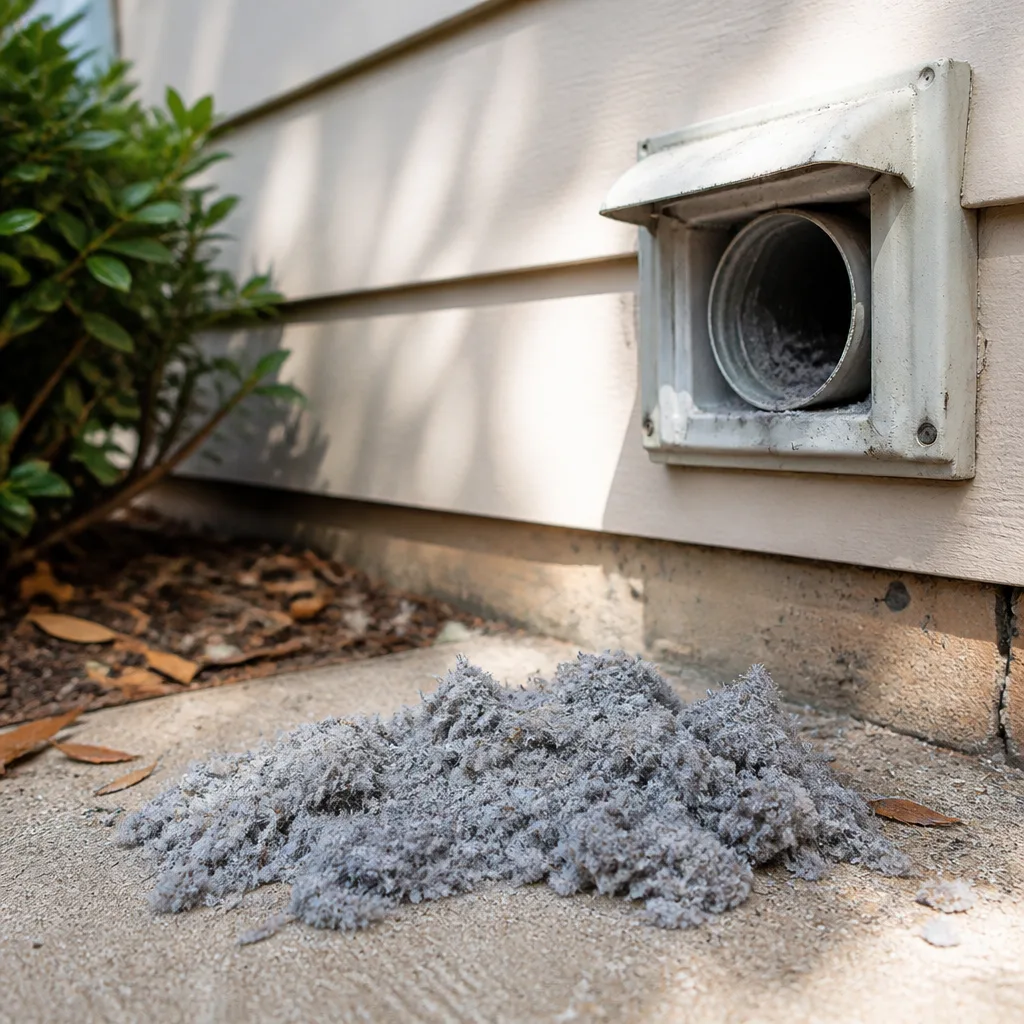 Dryer vent cleaning
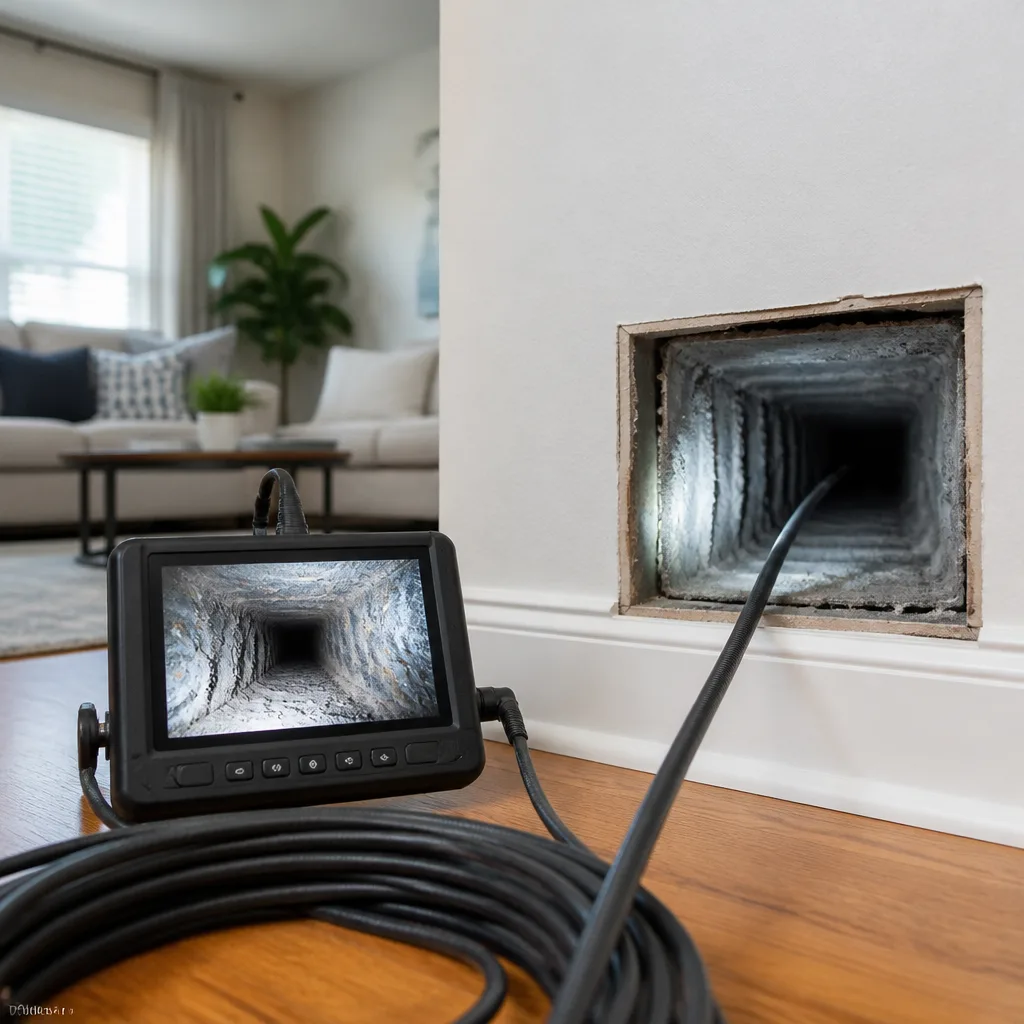 Camera inspection
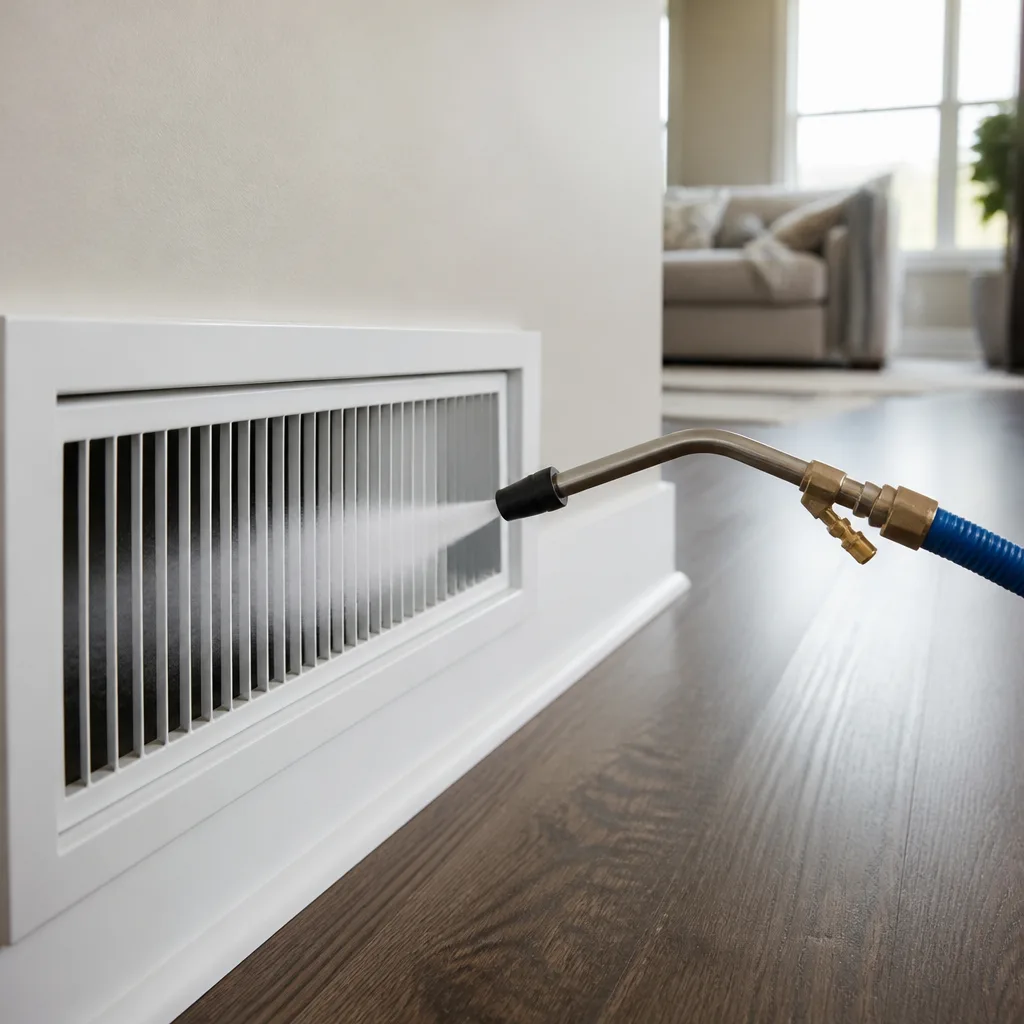 Sanitizing & deodorizing
Whole-system duct and dryer vent check with before-and-after photos - you see exactly what came out of your vents
That "$99 whole-house special" is a bait ad - the real number appears once they are in your hallway, or the "clean" is a shop-vac at the register. We photograph the inside of your ducts before and after instead.
Air Duct Cleaning Troubleshooting in Waco: Common Problems and How to Fix Them
If a duct cleaning “fixed” your musty smell for two weeks and it came back, the cleaning wasn’t the problem. Your duct system has a moisture intrusion point that no amount of brushing will resolve. That’s the hard truth about duct troubleshooting: most of the symptoms homeowners try to chase down, like weak airflow, lingering odors, uneven room temperatures and dust that reappears a few days after a cleaning, have distinct mechanical causes. Each one points to a specific fix. This guide maps every common symptom to its actual source, so Waco homeowners can stop spending money on the wrong solution and start asking the right questions.
Quick Answer
Most air duct problems in Waco fall into two categories: cleaning problems (dust, debris, biological growth inside the ductwork) and design or repair problems (disconnected joints, collapsed flex runs, moisture intrusion, damaged liner). Cleaning solves the first. Only repair solves the second. A proper diagnosis starts with a visual inspection of accessible duct runs and a moisture check, not a sales pitch for a cleaning.
Styles & brands we work with
- Whole-home duct cleaning
- Dryer vent cleaning
- Camera inspection
- Sanitizing & deodorizing
Table of Contents
- The Symptom-to-Cause Matrix
- How to Self-Inspect Your Ductwork Before You Call Anyone
- Why Waco Humidity Makes Post-Cleaning Moisture Testing Essential
- Cleaning Problem vs. Duct Design Problem: Which One Do You Have?
- Diagnosing Odors: Mold, Drain Pan, or Something Else
- When Duct Repair Is the Actual Fix
- The Dryer Vent Problem Homeowners Mistake for a Duct Problem
- Red Flags That a Previous Cleaning Made Things Worse
The Symptom-to-Cause Matrix
Before you call anyone, match your symptom to the likely cause. In our experience, the mismatch between symptom and solution is where most homeowner money gets wasted.
- Weak airflow in one or two rooms: Usually a collapsed or kinked flex duct, a disconnected joint, or a damper that’s partially closed. Rarely a dirt problem.
- Weak airflow everywhere: Could be a dirty blower wheel, a clogged filter, an undersized return, or a failing blower motor. Duct cleaning won’t fix it if the cause is mechanical.
- Musty odor: Points to moisture. Common sources include a wet evaporator coil, a clogged condensate drain pan, or biological growth on duct liner where condensation forms.
- Dead animal smell: Rodents and small animals get into duct systems through open returns, crawl spaces, and unsealed penetrations. This requires removal plus sealing of the entry point, not just cleaning.
- Dust reappearing within days: Duct leakage at joints, gaps at boots, or poorly sealed plenum connections. Cleaning without sealing will just repeat itself.
- Uneven temperatures between rooms: Duct design issue, damper balance issue, or a leaking run that’s dumping conditioned air into the attic.
- Increased energy bills with no other explanation: Leaky ducts wasting conditioned air. This is a repair and sealing problem, not a cleaning problem.
Waco homes vary widely, from older bungalows near the downtown core to newer builds out toward Woodway and Hewitt, and duct condition tracks closely with construction age and how the system was sealed at install. If your symptom shows up in only one room, that’s your first clue the problem is local to one run.
How to Self-Inspect Your Ductwork Before You Call Anyone
You can rule out about half the possible causes with a flashlight and ten minutes in your attic or crawl space. This isn’t about doing the work yourself; it’s about walking into the conversation knowing what you’re looking at. Here’s how we recommend approaching it.
- Turn the system off. Don’t handle ductwork with the air handler running.
- Locate the main trunk and the start of each branch run. On most Waco homes this means the attic or a crawl space.
- Trace each accessible run with a flashlight. Look for flex duct that’s kinked, crushed under weight, or slumping between supports. Any bend sharper than a gentle curve is restricting airflow.
- Check every joint where flex connects to rigid trunk or to a register boot. Pull gently. A connection should be mechanically fastened and sealed, not just slipped over the fitting.
- Look for torn or missing insulation on the outside of the duct. Bare flex duct in a hot attic sweats and loses efficiency.
- Look inside the boot and the first few inches of duct with your flashlight. Visible debris, insulation fibers, or dark staining all point to a problem worth investigating further.
- Check the air filter and the return grille. A clogged filter mimics duct problems almost exactly.
If you find obvious damage, write down which run it’s on. That information alone will save you from being sold a cleaning when a repair is what you actually need. If everything looks intact and properly sealed, the problem is more likely internal, and a professional inspection with proper equipment is the next step.
Why Waco Humidity Makes Post-Cleaning Moisture Testing Essential
Central Texas runs humid through much of the year. Cool air moving through ductwork in a hot, humid attic is a condensation setup, and any duct system with compromised insulation or an unsealed joint becomes a moisture trap. Biological growth on duct liner doesn’t come from the ducts being dirty. It comes from the ducts being wet.
That’s why a professional cleaning in Waco should include a moisture check on any duct that showed visible staining or odor. If your duct cleaning quote doesn’t mention moisture, that’s a signal the company is offering a surface service only.
What a proper moisture assessment looks like:
- Visual inspection of accessible liner for staining, discoloration, or softness.
- Checking the evaporator coil and condensate drain pan for standing water or overflow.
- Confirming that any duct run through unconditioned attic space has intact exterior insulation.
- Checking relative humidity around the air handler where duct leakage may be pulling in humid attic air.
If the ducts are wet, cleaning without addressing the source will produce a short-lived improvement. Fixing the moisture problem first, then cleaning, produces a durable one. This isn’t an upsell; it’s the difference between a cleaning that holds and one that doesn’t. Abatement Technologies equipment plays a role here because contaminant removal after a moisture event requires more than a vacuum. Professional filtration and HEPA-grade capture is what keeps disturbed spores from spreading into living space during the work.
Cleaning Problem vs. Duct Design Problem: Which One Do You Have?
This is the single most useful distinction in duct troubleshooting. A cleaning problem is contamination inside the ducts. A design problem is a flaw in how the ducts were built, sized, routed, or sealed. They require completely different responses, and one cannot fix the other.
Signs of a cleaning problem
- Visible dust accumulation on registers and inside boots.
- Odor that worsens when the system runs.
- Construction dust, pet hair, or debris visible in accessible runs.
- Recent renovation, move-in, or a home that sat vacant.
Signs of a design or repair problem
- One room that’s never been comfortable regardless of cleaning.
- Whistling or roaring at registers (often an undersized duct).
- Airflow dropping when doors are closed (a return air problem).
- Attic air being pulled into the house (leakage at the plenum or trunk).
- Flex runs that are pinched, crushed, or taking sharp bends.
In our experience, homeowners in Waco often call for a cleaning when the actual problem is a single crushed flex run in the attic. Cleaning the rest of the system does nothing for that one room. Repair does. If your call is about a comfort problem rather than a visible dust problem, ask the company upfront whether they can inspect and repair ductwork, not just clean it. A specialist that offers air duct cleaning as a standalone service can make that call without a sales pitch attached.
Diagnosing Odors: Mold, Drain Pan, or Something Else
Odor is the symptom that gets the wrong diagnosis most often. “Musty” can come from three very different places, and each has a different fix.
Musty or mildew smell
Moisture on the evaporator coil, wet duct liner, or a condensate pan that isn’t draining. The AC coil in a Waco home runs hard most of the year, and a partially clogged condensate line is a common cause of standing water in the pan. A technician should check the pan and the condensate trap before cleaning anything.
Dead animal smell
Rodents and small animals work into duct runs through unsealed penetrations. The odor is unmistakable. Cleaning alone won’t solve it; the source has to be located and removed, and the entry sealed, or it will recur.
Chemical or burning smell
Usually not ductwork at all. Could be an electrical component, a motor, or a refrigerant issue. This is a stop-the-system, call-a-technician-now situation, and it’s an HVAC problem, not a duct problem.
General stale air
The lowest-stakes version. May respond fully to cleaning, may also need better ventilation or a return air improvement. Worth a professional inspection, not an emergency.
If you can describe the odor precisely, you’ve already helped whoever inspects your system narrow down the possibilities. Vague descriptions produce vague quotes. Precise ones produce real answers.
When Duct Repair Is the Actual Fix
Duct repair is a distinct service from duct cleaning, and it addresses structural damage that cleaning can’t touch. Structural damage is often invisible from a register, which is why homeowners go years without realizing the system has a problem.
What counts as duct damage:
- Disconnected joints where flex duct has slipped off a fitting.
- Collapsed or crushed flex duct runs.
- Torn exterior insulation on duct runs in the attic.
- Punctures from construction, pest activity, or equipment installation.
- Damaged or deteriorating interior liner where the coating has failed.
- Unsealed plenum or trunk connections leaking conditioned air.
Repair involves locating the damage, restoring or replacing the affected section, and sealing it properly so it’s not leaking conditioned air into the attic. Cleaning the entire system is wasted effort if a third of it is leaking. In our work in Waco, the most common repair we encounter is flex duct runs that were installed with sharp turns or that have been crushed under weight in the attic. That’s a repair job, and no amount of professional cleaning will fix it.
If a professional inspects your system and tells you the ducts need to be repaired before they’re cleaned, that’s an honest call. It’s also the kind of call that separates a specialist from a cleaner. The equipment matters here too: Abatement Technologies filtration gear is what allows contaminant capture to happen safely during a repair rather than just spreading debris into the house as sections are opened up.
The Dryer Vent Problem Homeowners Mistake for a Duct Problem
Dryer vents are separate from HVAC ductwork, but the symptoms overlap enough that homeowners often can’t tell which system is causing trouble. A clogged dryer vent doesn’t just reduce dryer efficiency (which is the symptom most people notice). It also creates a lint buildup that is a real fire risk, and that’s the reason it belongs in this guide.
Signs your dryer vent is the actual problem, not the HVAC ducts:
- Clothes take two or three cycles to dry.
- The dryer feels hot to the touch on the outside.
- The laundry room feels humid or smells like hot lint after a cycle.
- You can’t feel strong airflow at the exterior dryer vent flap.
The distinction matters: HVAC duct cleaning is not dryer vent cleaning. They’re different services on different systems. If your clothes drying has gotten worse and your ducts are fine, short of a mechanical problem with the dryer itself, the vent is the problem. dryer vent cleaning is one of the three services we handle, and it’s the one most homeowners postpone until something goes wrong. The fire-safety angle makes it the one worth scheduling proactively.
Red Flags That a Previous Cleaning Made Things Worse
Not every duct cleaning improves a system. Poorly done cleaning can make things worse, and the signs are usually visible during a follow-up inspection. If you’ve had a cleaning and things got worse, these are the patterns a professional should be checking for.
- Debris packed into supply boots. A weak vacuum can push loose material into the boot and leave it there, so contaminants blow into the room every time the system runs.
- Damaged interior liner. Rotobrush rotary equipment applied without care can abrade or tear liner; a hand-held shop-vac with a shop brush can do worse. Professional liner damage is one of the reasons we use equipment engineered specifically for ductwork rather than generic tools.
- Disconnected or disturbed joints. Rough handling during cleaning can pop a flex duct off its fitting. The result is a leak that no one notices until energy bills spike.
- No before-and-after photos. A legitimate cleaning operation documents its work. If nobody photographed the ducts before or after, you have no way to verify the cleaning happened.
- Registered complaints of more dust afterward. Usually a debris-displacement problem during the work itself, not a cleaning outcome.
- No moisture check when odor was the presenting complaint. Cleaning a wet duct and calling it done is a red flag that the company doesn’t understand the underlying problem.
The Abatement Technologies equipment factor is relevant here. Proper contaminant capture during the work prevents exactly the failure modes above. Displacement without capture is what creates most of them.
Common Mistakes to Avoid
- Buying a cleaning to fix an airflow problem. If the issue is one specific room, a mechanical obstruction or a crushed duct is more likely than internal contamination. A visual inspection comes before any quote.
- Skipping moisture testing when the presenting symptom is odor. In Waco’s humidity, an uncleaned moisture source will produce a fast relapse. Cleaning first and testing later is backwards.
- Accepting a quote without asking what equipment will be used. Professional duct equipment has a brand attached. Ask. Rotobrush and Nikro are real, verifiable names in the trade. A shop-vac is not.
- Assuming duct repair and duct cleaning are interchangeable. They solve entirely different problems. A cleaning-only company cannot fix structural damage and will be tempted to sell you a cleaning anyway.
- Confusing dryer vent cleaning with HVAC duct cleaning. Separate systems, separate services. If the complaint is “clothes take too long,” the ductwork is the wrong place to look.
- Not watching for signs that a previous cleaning caused damage. Ask for before-and-after photos, and if a prior cleaning was done without them, have the system inspected before assuming it’s fine.
- Treating a Waco home’s ductwork as a generic problem. Our climate, construction mix, and attic conditions shape what kinds of problems show up most often. That local context is why a proper walk-through matters more than a phone quote.
See the difference
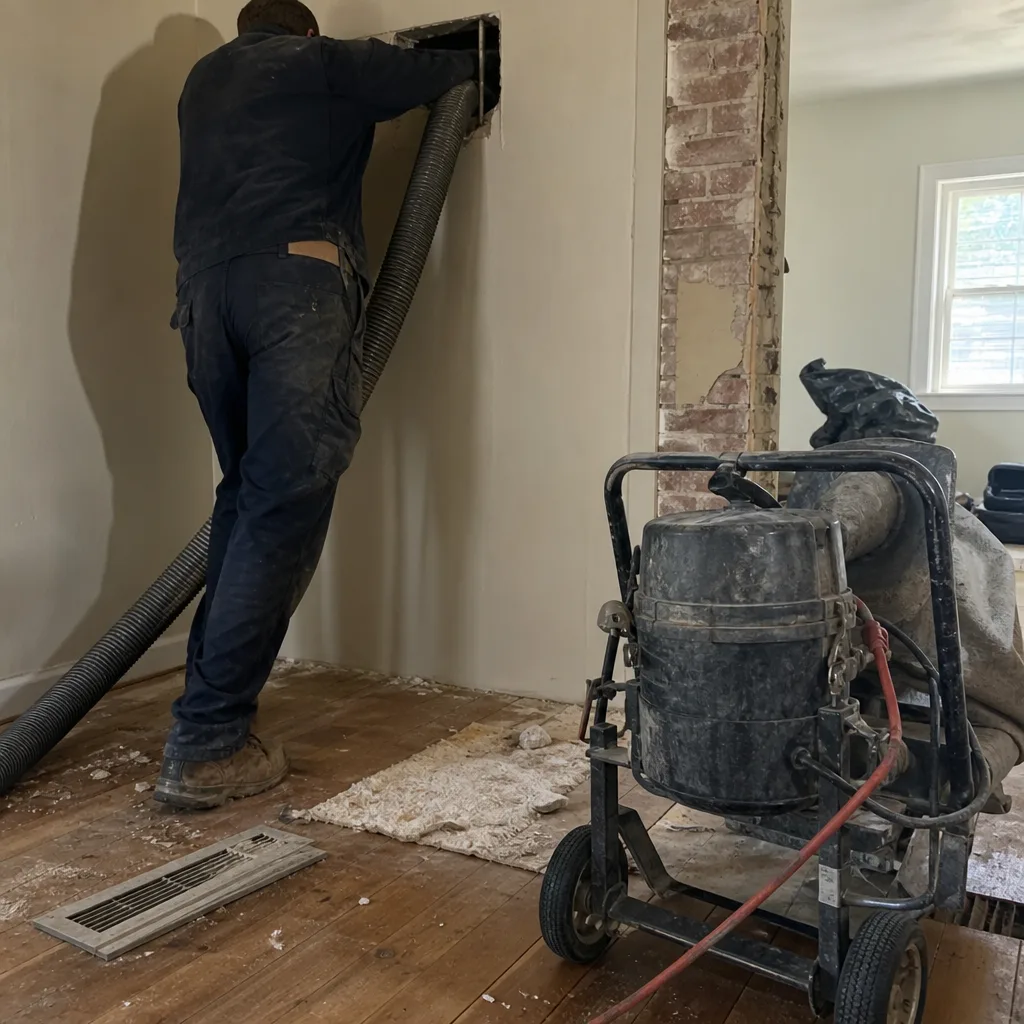 Before
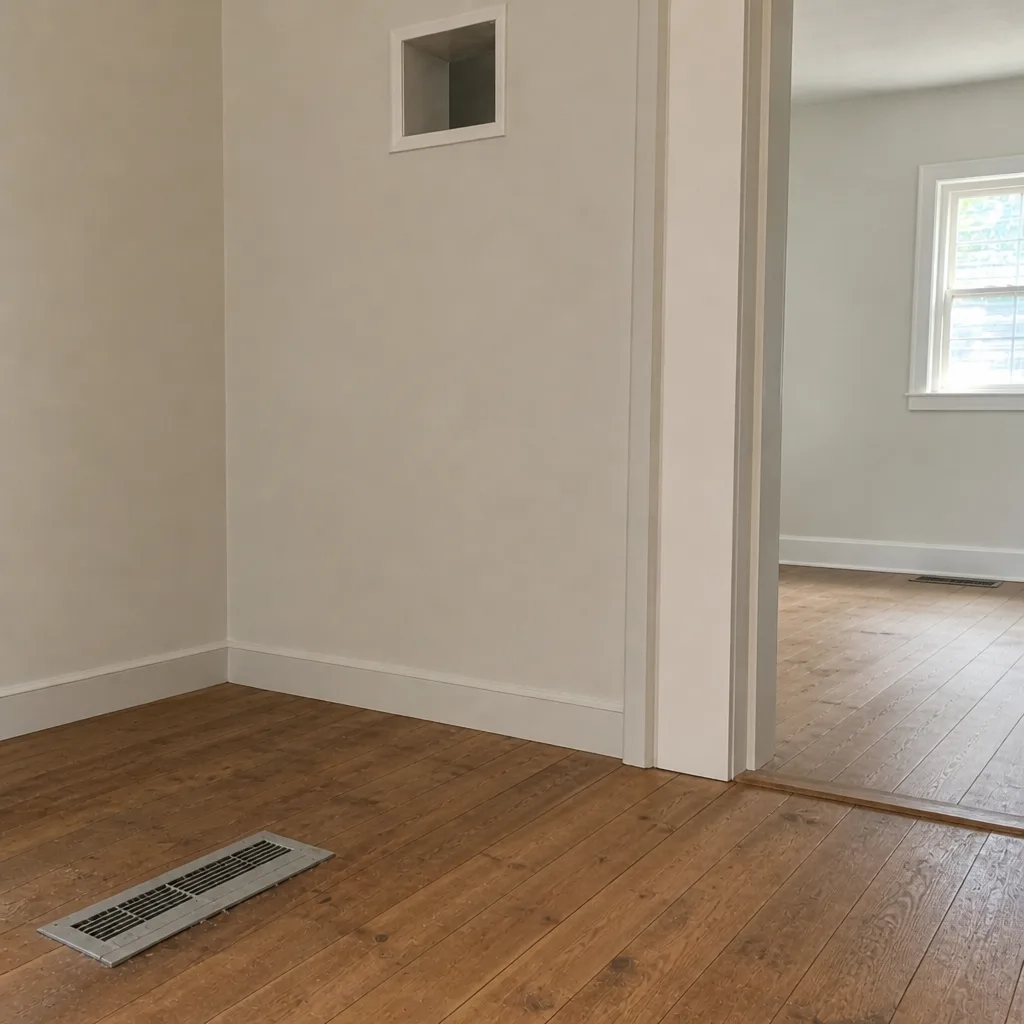 After
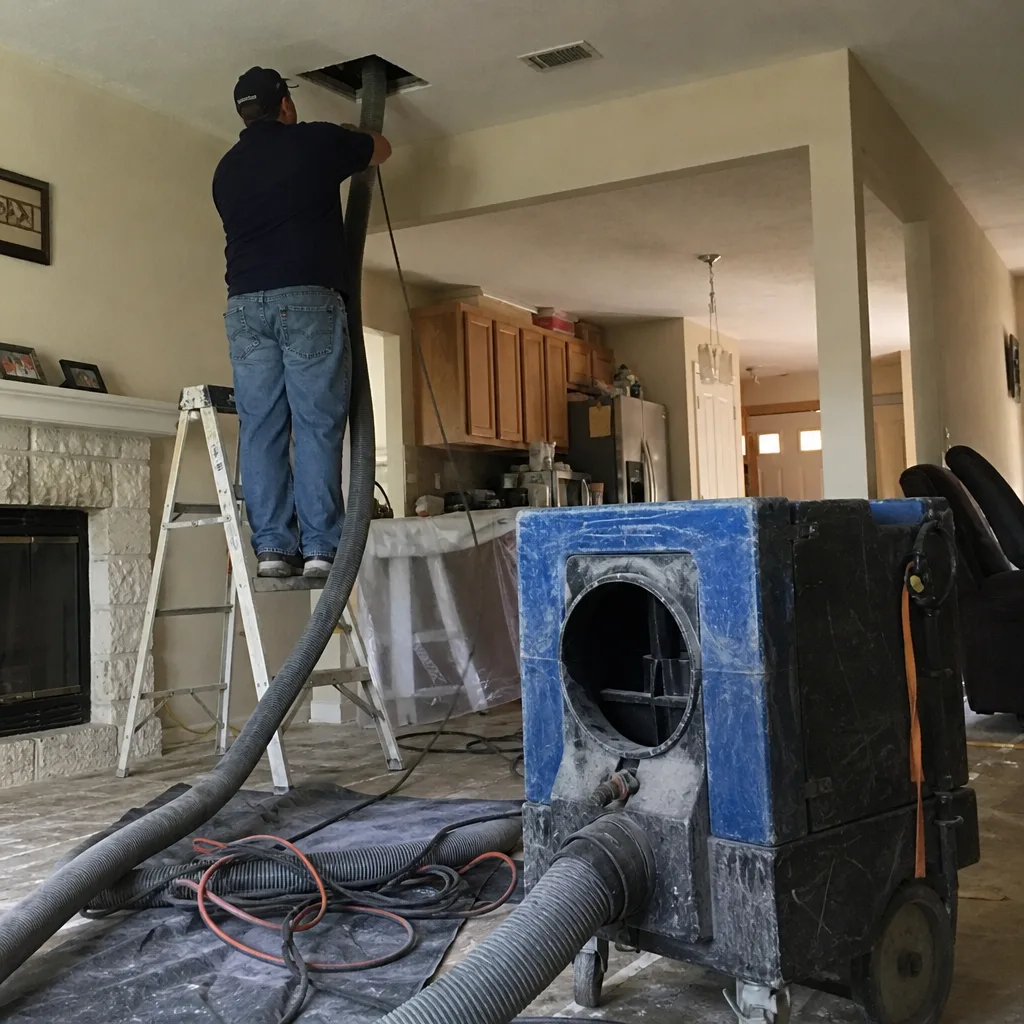 Before
 After
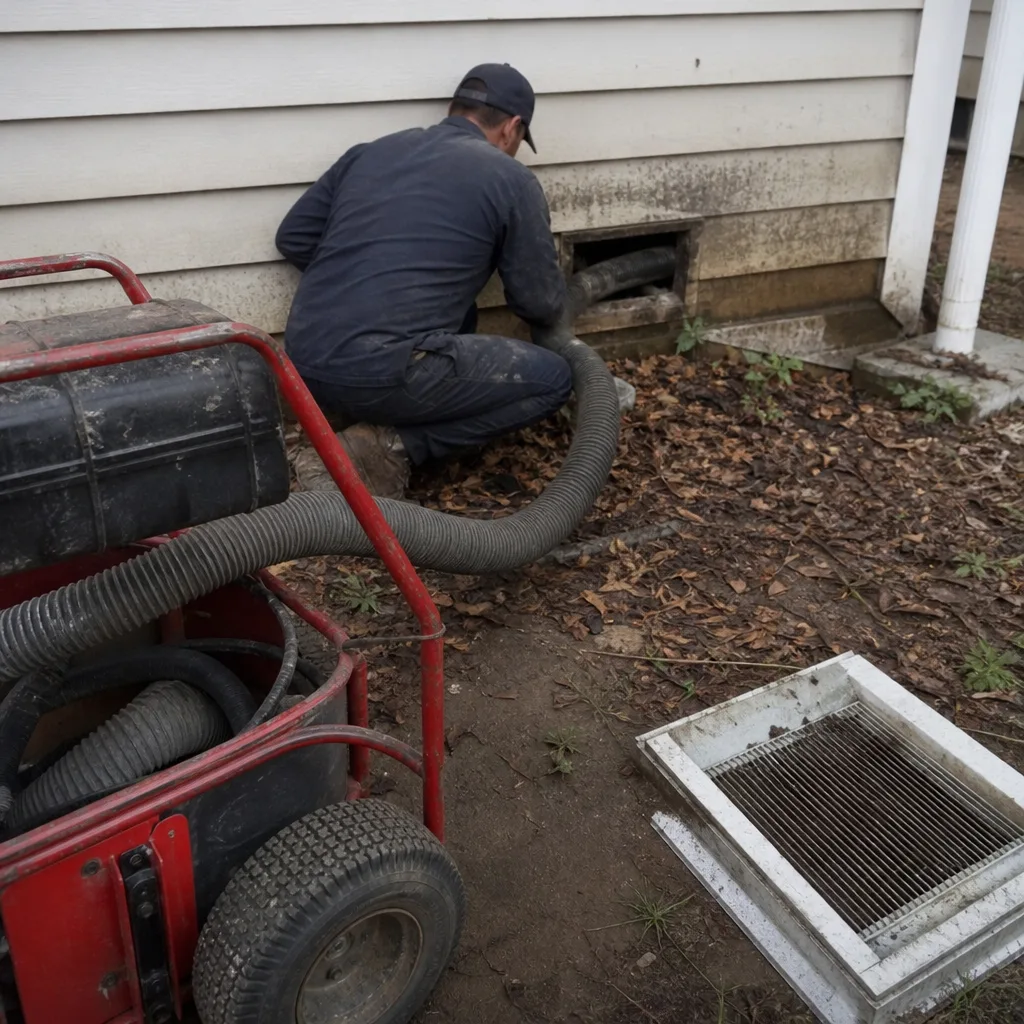 Before
 After
When to Call a Professional
Call a professional when you’ve found a visible problem and don’t have the equipment to address it, when the problem keeps returning after a cleaning, or when the symptom is odor with no obvious source. Call immediately if you smell burning or chemical odors with the system running, or if you find evidence of animal activity in the ductwork. Call when you want the problem diagnosed before spending money on a solution, which is the whole point of this guide. Duct Cleaning Waco offers free estimates in Waco. Call (855) 745-6206. Our technicians have up to 13 years of experience, and we arrive with equipment purpose-built for ductwork: Rotobrush rotary brush-and-vacuum systems, Nikro cleaning equipment, and Abatement Technologies contaminant-removal gear. We clean it, repair it, and clear the dryer vent.
Frequently Asked Questions
Typical air duct cleaning in Waco runs $350-$600 for a standard residential system, and duct repair is quoted separately based on what’s damaged. Dryer vent cleaning usually falls in the $125-$200 range. These are honest whole-system ranges, not per-vent teaser pricing, and the written estimate you receive sets the final price. Call (855) 745-6206 for an exact quote. Estimates are free.
Cheap quotes usually mean one of three things: the company is pricing per-vent so the number grows once they’re on site, they’re using a shop-vac rather than professional equipment, or they’re skipping the inspection entirely. A low coupon price that becomes a larger invoice once the technician arrives is the industry’s bait-and-switch pattern. Ask what equipment will be used and whether the quote is per-system or per-vent before you commit. Call (855) 745-6206 and we’ll walk through it. Estimates are free.
Before-and-after photos of your own ducts. Not stock images, not photos from another job. If a company can’t show you what your ducts looked like before and after, you have no way to verify the work. Ask for photos upfront, before the work happens, and confirm they’ll be provided. That’s how we do it, and it should be a standard question you ask anyone. Call (855) 745-6206 to book. Estimates are free.
Because cleaning doesn’t fix a moisture problem. In Waco’s humidity, mold and mildew will regrow on duct liner unless the moisture source is found and corrected. That could be a clogged condensate pan, wet liner, an unsealed joint pulling humid attic air, or an evaporator coil that’s running wet. The next call should be for a moisture inspection plus a re-clean, not another cleaning alone. Call (855) 745-6206 and we’ll diagnose before we clean. Estimates are free.
For most homes, cleaning every three to five years is reasonable, and some homes go longer. Shorter intervals make sense if you’ve had a renovation, moved in recently, have pets, or if the home sat vacant. The more important question is whether the ducts are actually the problem; a comfort issue or returning dust often points to a repair, not a cleaning. Call (855) 745-6206 and we’ll help you sort out which one you have. Estimates are free.
If your complaint is dust, debris, or general air quality, that’s a cleaning question. If your complaint is a specific room that’s uncomfortable, airflow you can hear whistling or roaring, or a system that underperforms, that’s usually a repair question. A proper inspection answers it in one visit. We handle both. Call (855) 745-6206. We answer 24/7. Fast dispatch from 7am to 7pm, Sunday through Friday.
The Bottom Line
Most duct problems in Waco have one real cause, and the fix is either cleaning, repair, or a moisture correction, not all three or a guess. Match symptom to source before you call anyone: weak airflow in one room is a repair, odor is a moisture check, dust that reappears is a sealing problem, and clothes that don’t dry are a dryer vent issue. Ask what equipment will be used. Ask for before-and-after photos. Watch for red flags if you’ve had a prior cleaning, and don’t accept per-vent pricing. Those four questions rule out most of the mistakes homeowners make. If you’re not sure which category your problem falls into, that’s exactly what a diagnosis is for. Duct Cleaning Waco covers Waco and the surrounding area with the right equipment for the job: Rotobrush rotary brush-and-vacuum systems, Nikro cleaning equipment, and Abatement Technologies contaminant removal, plus dedicated duct repair and dryer vent cleaning.
Call (855) 745-6206 for a free estimate. We answer 24/7. Fast dispatch from 7am to 7pm, Sunday through Friday. Start at Duct Cleaning Waco to see the full service lineup and book a visit with our team.
Written by the team at Duct Cleaning Waco.