
Last updated November 15, 2026
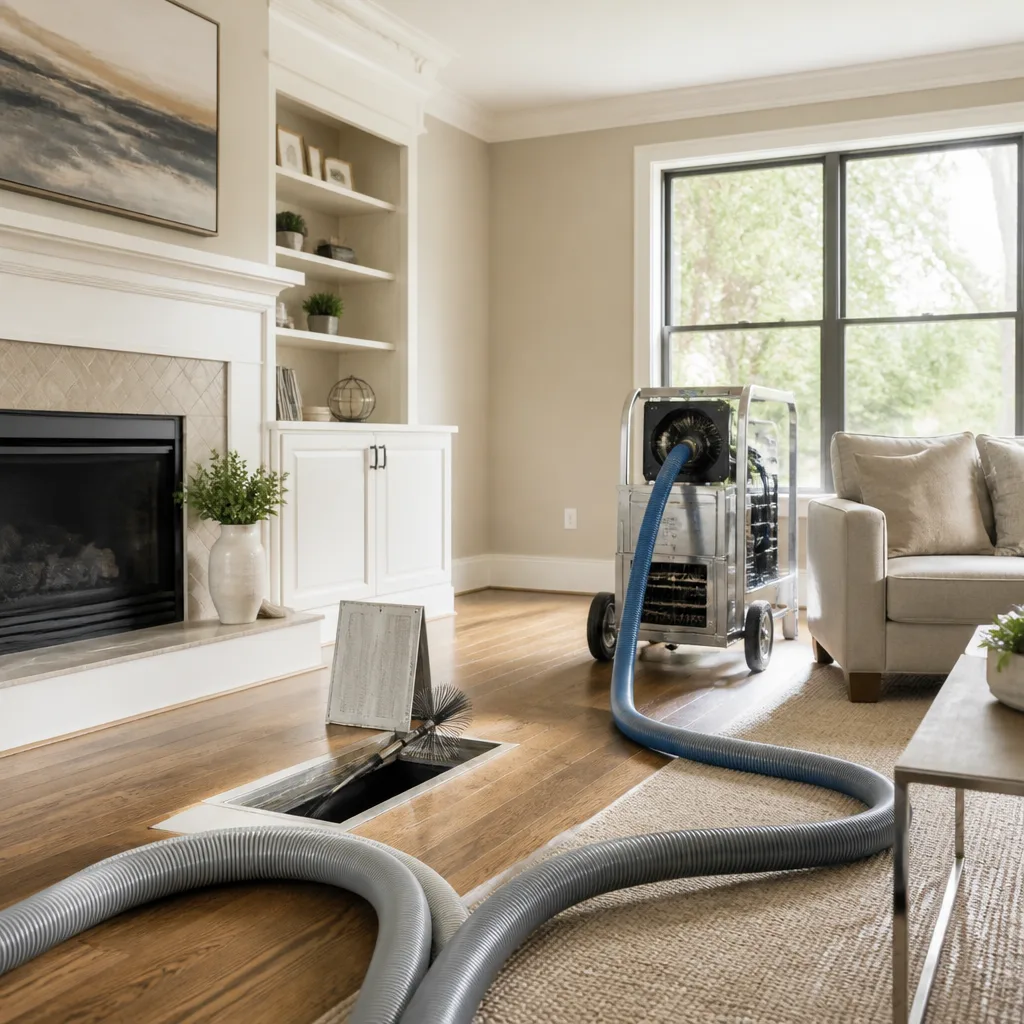 Whole-home duct cleaning
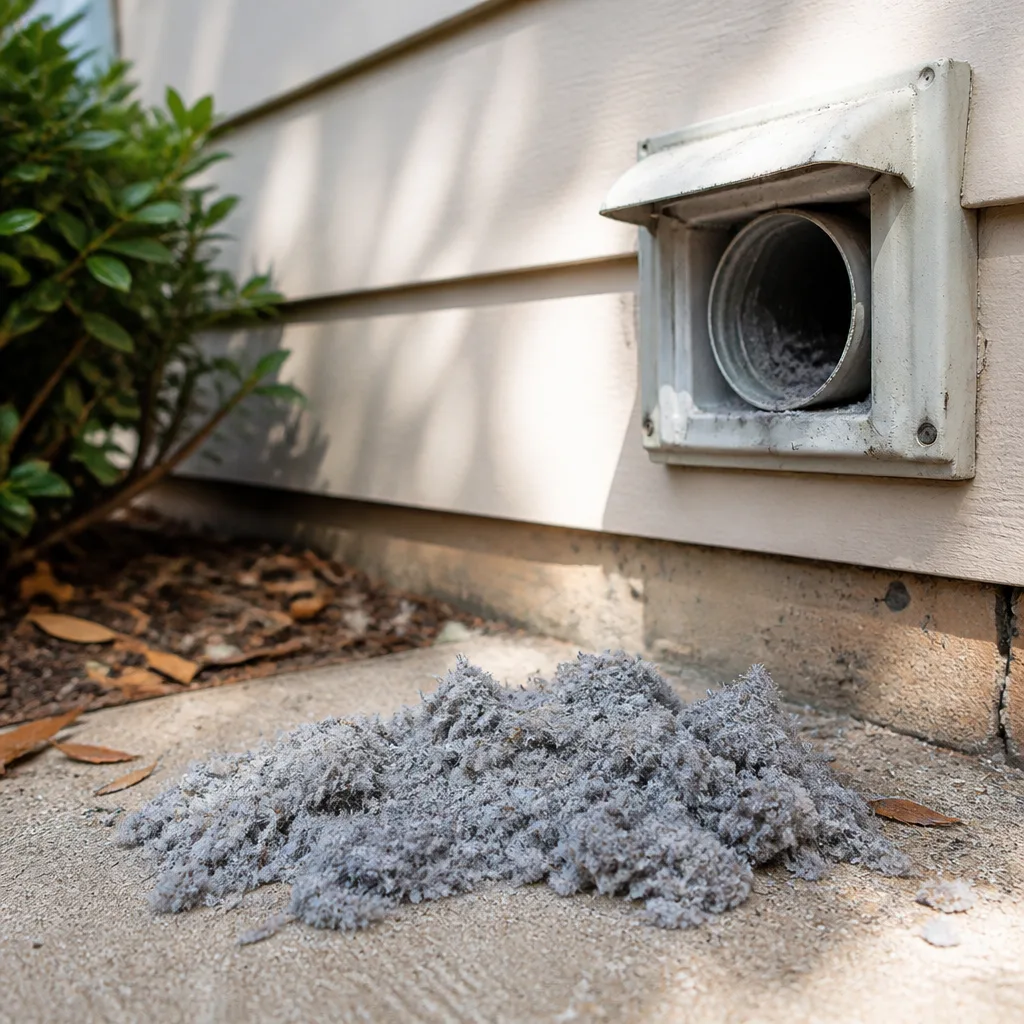 Dryer vent cleaning
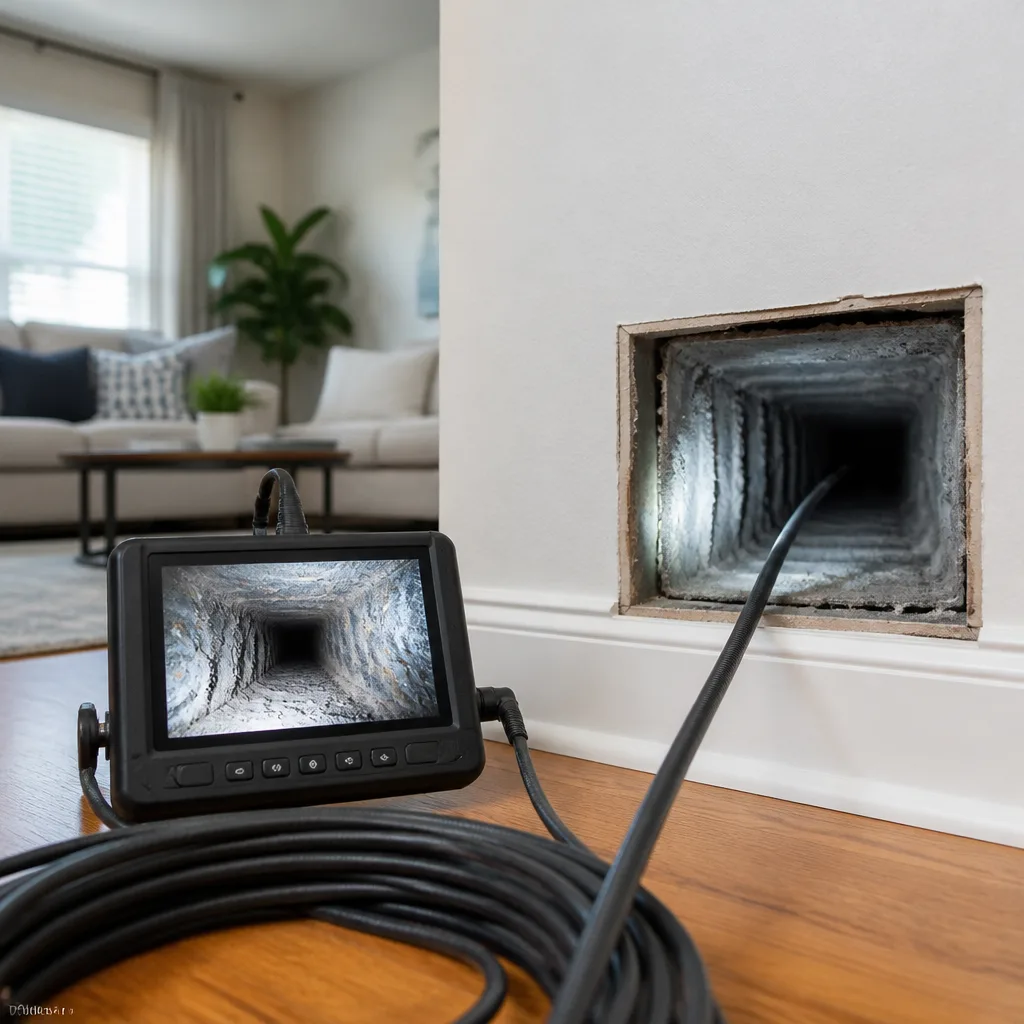 Camera inspection
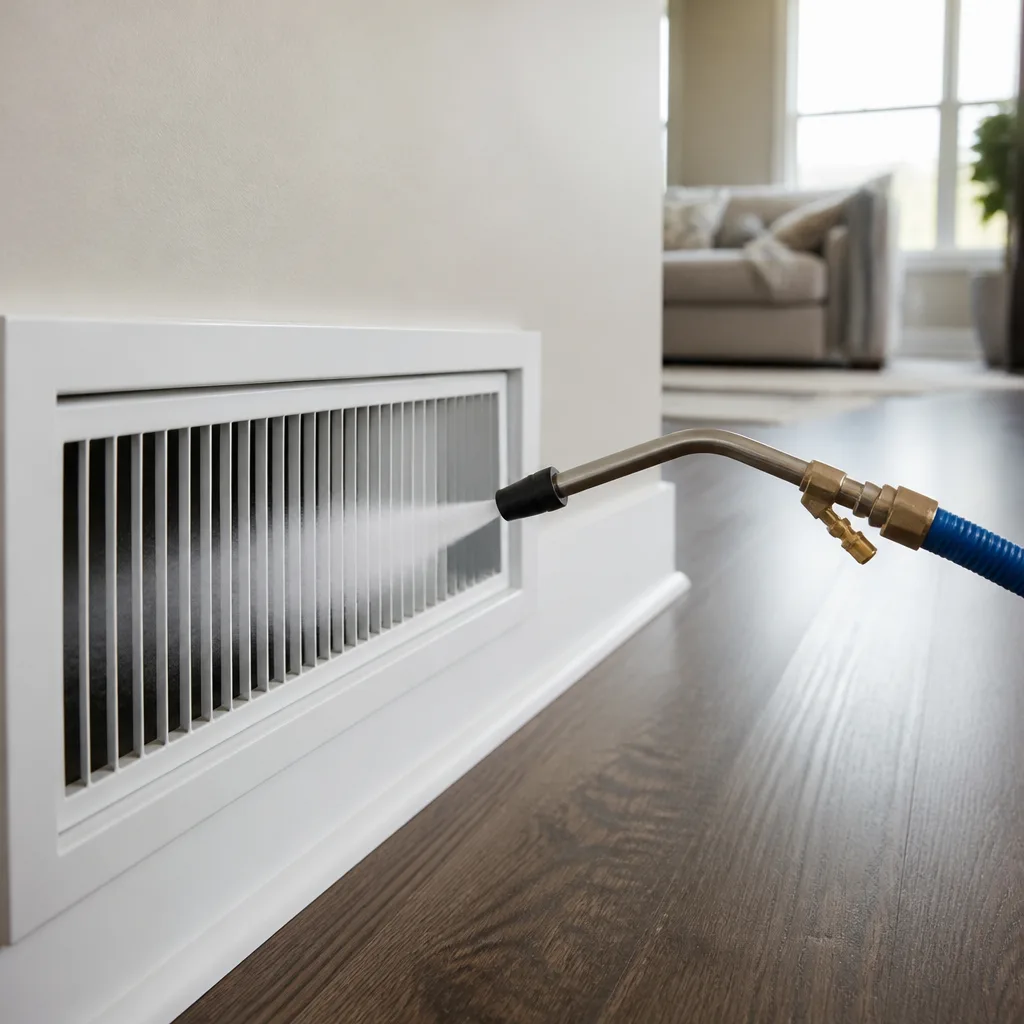 Sanitizing & deodorizing
Whole-system duct and dryer vent check with before-and-after photos - you see exactly what came out of your vents
That "$99 whole-house special" is a bait ad - the real number appears once they are in your hallway, or the "clean" is a shop-vac at the register. We photograph the inside of your ducts before and after instead.
Air Duct Cleaning Warning Signs: A Waco Homeowner’s Reference Guide
If you can see dust blowing from your registers, your duct system has been accumulating it for months. The sign you’re waiting for is already a delayed signal. That’s the part most homeowners get wrong: the dramatic symptoms, the visible dust plume, the musty smell you notice from the hallway, tend to show up late, after the problem has settled deep into the system. The earlier, more actionable clues are quieter. They show up in how fast your filters load, how one bedroom in a Waco home struggles to cool while the rest feels fine, and how many minutes your HVAC runs before it hits the setpoint. This guide walks through those early signals, separates duct problems from unrelated HVAC failures, and points to the specific conditions in Waco that make an inspection worth scheduling.
Quick Answer
The most reliable early warning signs of duct contamination are filters that load faster than they used to, one room that stays noticeably warmer than the rest of the house, HVAC cycles that run longer without reaching the thermostat setpoint, visible debris on the register grille when you shine a flashlight inside, and a stale or musty odor that comes back after cleaning. Visible dust blowing from vents and strong smells are late-stage signs. Any moisture, staining, or mold smell inside the ducts needs a different response than ordinary dust and should be treated as a separate problem.
Styles & brands we work with
- Whole-home duct cleaning
- Dryer vent cleaning
- Camera inspection
- Sanitizing & deodorizing
Table of Contents
- The Early Signals Most Waco Homeowners Miss
- Duct Contamination or HVAC Failure? How to Tell the Difference
- Waco-Specific Triggers That Warrant an Inspection
- What You Can See Inside a Register With a Flashlight
- When It’s Mold or Moisture, Not Ordinary Dust
- Cleaning Versus Repair: Two Different Jobs
- Dryer Vent Warning Signs You Shouldn’t Ignore
The Early Signals Most Waco Homeowners Miss
Dust and odor are the two signs everyone talks about. They’re both late. By the time you notice them from across the room, the problem has had months to spread through the whole system. The earlier signs are about performance, not appearance, and they’re easier to miss because each one on its own looks like a minor annoyance.
In our experience across Waco homes, the strongest early signals fall into three groups: filter loading rate, airflow imbalance, and cycle length.
- Filters loading fast. A filter that used to last a season is now gray or clogged in half the time. That’s a volume problem, not a filter problem. Either the return is pulling in more particulate from a leaky duct run, or accumulated debris inside the ducts is re-circulating through the system instead of being captured at the grille.
- One room harder to cool than the others. If the back bedroom stays a few degrees warmer than the living room no matter how you adjust the thermostat, the trunk line or branch feeding it may be restricted, collapsed, or disconnected. The blower is fine. The delivery isn’t.
- Longer HVAC cycles without reachable setpoint. Your system runs and runs, never quite hitting the target, especially in July and August. That’s consistent with restricted airflow anywhere between the return and the register. Restricted airflow from dirty ducts and a failing blower produce similar symptoms; the next section separates them.
- A stale smell that returns after cleaning. If you wipe down a register and the smell comes back within a few days, the source is upstream, in the ductwork or on the evaporator coil, not on the grille.
- Increased household allergy complaints during cooling season. Not proof on its own, but alongside filter loading and airflow imbalance it strengthens the case for inspection.
None of these signs automatically means your ducts are dirty. Each one has other possible causes. But when two or three of them line up, especially in a Waco home with no cleaning records, the situation is worth a look before the problem becomes visible.
Duct Contamination or HVAC Failure? How to Tell the Difference
Weak airflow, longer cycle times, and one room running warm happen whether the ducts are clogged or a component in the HVAC system is failing. The symptoms overlap, but the fixes are completely different. Telling them apart before calling anyone saves you from paying for the wrong service.
The clearest way to separate the two is to look at where the weakness shows up and whether the system’s own behavior is consistent.
- Check the split across registers. If airflow is weak at every register in the house, the restriction could be at the filter, the return, or the blower itself. If it’s weak at one or two registers but strong everywhere else, the problem is almost certainly in the branch duct feeding those rooms.
- Listen to the blower. A motor on its way out often gets noisy: grinding, whining, or a rattle that changes with speed. A duct restriction doesn’t cause blower noise; it causes quiet.
- Watch the thermostat and the cycle together. A system that reaches setpoint but takes a long time is often just working hard against restricted airflow. A system that never reaches setpoint and shows erratic on-off cycling points more toward a failing motor, capacitor, or control issue.
- Look at filter loading rate over two changes. Rapid loading suggests particulate is coming back into the return air. That’s the duct side.
- Note whether the problem tracks the weather or the home. Rooms that never cool evenly on any day point to a delivery problem in the duct design or a damaged run. Problems that come and go with heat load point more at system capacity.
If most signals point toward the ducts, an inspection is the next step. If they point toward the blower or controls, that’s HVAC repair, not duct cleaning, and you’ll want a technician who works on that equipment. The right move is honest diagnosis before any work is quoted.
Waco-Specific Triggers That Warrant an Inspection
Some homes need a duct inspection on schedule because their rooms run hot and their filters load fast. Others need one because something specific happened to the house. In Waco, the second list is often overlooked. Any single trigger below is enough to schedule an inspection, even if you don’t see any other warning signs.
- A recent renovation. Drywall dust, sawdust, fiberglass, and construction debris get pulled into return air during remodeling. If the HVAC was running during the project and no post-project cleaning followed, contaminants are sitting in the trunk lines.
- A flood or roof leak. Waco’s spring storms and summer downpours push water into places it doesn’t belong, and wet ductwork is a moisture problem, not a dust problem. Any water intrusion touching the HVAC or ducts should prompt inspection.
- Pest activity in the attic or crawlspace. Rodents, insects, and birds leave droppings, nesting material, and contamination in ducts they’ve accessed. This is a different cleanup than standard dust removal and needs to be treated as such.
- A recent home purchase with no cleaning records. When you buy a home in Waco, you inherit the HVAC history, good or bad. If the seller can’t produce records showing the ducts have been cleaned, assume they haven’t and inspect before you settle in.
- New carpeting, new furniture finishes, or fresh paint during a move-in. Off-gassing and fiber shedding both load up the return and settle into the ducts.
- The system has run for years without cleaning. Nothing changed, but nothing was ever done either. That’s a legitimate reason on its own.
The rule of thumb: if the house had a documented event, renovated, flooded, pest-invaded, or never cleaned, the trigger is already there. You don’t need to wait for a visible sign before scheduling a look.
What You Can See Inside a Register With a Flashlight
You don’t need a camera to make a first assessment. A flashlight and five minutes will tell you a lot about a register, though it won’t tell you everything. Here’s what you can see, and what you’ll need a professional camera inspection to reach.
What a flashlight reveals:
- The register grille itself. A light dusting is normal. Thick caked dust, visible debris, or lint trapped behind the louvers indicates buildup behind it too.
- The first foot of duct. Shine the light down the boot and into the visible run. Dust and debris accumulate most heavily at the boot and the transition into the branch. You can see that clearly.
- Disconnected or damaged boots. If you can see gaps between the sheet metal and the drywall, or a boot that’s pulled away from the floor, that’s a duct repair issue, not a cleaning issue.
- Staining and discoloration. Dark staining on duct lining or grille surfaces suggests moisture at some point. Note it and mention it when you call.
- Visible mold. If you see fuzzy growth inside the duct or on the grille, stop. That’s a moisture and remediation problem and needs a different approach.
- Lint and debris from pets or pest activity. Hair, nesting material, or droppings indicate a problem that needs proper containment and remediation.
What requires a camera inspection:
- The inside of the trunk line beyond the first few feet.
- Branch runs behind drywall, in the attic, and under the floor.
- The evaporator coil compartment, which is the most common source of recirculated contamination and is invisible to a flashlight.
- Connections and seams that can show leaks only from the inside.
A flashlight inspection tells you whether the visible portion is a problem. A camera tells you whether the invisible portion is worse.
When It’s Mold or Moisture, Not Ordinary Dust
Standard dust accumulation and mold in ductwork look similar from across the room and are completely different problems with different fixes. Call the wrong service or treat it as a cleaning job and you’ll have the same problem back in a few weeks. This is the section that most duct cleaning guides skip.
Moisture inside a duct system is what allows mold and bacteria to take hold. That moisture comes from a specific set of causes:
- Evaporator coil problems. A coil that isn’t draining correctly, or a drain pan that’s overflowing, pushes water into the system where it shouldn’t be.
- Condensation from a poorly sealed system. In Waco, cooling-season temperature differentials and humid outside air create condensation on cold duct surfaces. Loose seams and gaps let humid attic air in; the cold metal sweats; the moisture stays.
- Roof leaks and water intrusion. Water tracking down into the attic near ductwork soaks the insulation around the ducts and stays wet for days.
- Flood damage. After any water event in the home, ducts and HVAC equipment that were submerged or soaked need dedicated assessment, not standard cleaning.
Warning signs that point to moisture, not dust:
- A musty, earthy, or “wet basement” smell, rather than a dry dusty smell.
- Discoloration on grilles, boots, or duct surfaces, especially dark streaks or spots.
- Visible fuzzy growth anywhere inside the reachable portion of the duct.
- Condensate puddles or stains near the air handler.
- Allergy or respiratory symptoms that show up suddenly and specifically when the HVAC runs.
If any of these are present, the response is remediation, containment, and correction of the moisture source first, then cleaning. Cleaning mold without fixing the source just moves the problem around. A proper call is asking the person on the phone what their protocol is for moisture and mold, not just duct dust. Our Abatement Technologies air-filtration and contaminant-removal equipment exists for exactly this reason: getting the contaminant out of the air safely, not just stirring it up.
Cleaning Versus Repair: Two Different Jobs
Not every duct problem is a cleaning problem. Some are structural. A duct run that’s collapsed, disconnected, torn, or undersized will keep performing badly no matter how many times it’s cleaned. Recognizing the difference early saves you from paying for cleaning that never fixes the underlying issue.
Here’s how the two categories break down:
- Cleaning. The ductwork is structurally sound but has accumulated debris: dust, hair, lint, construction residue, or pest contamination. Cleaning with a professional rotary brush-and-vacuum system restores proper airflow and removes the load.
- Repair. The ductwork itself is compromised. Sections are disconnected, seams are open, boots have separated from the floor or wall, flex duct is crushed or torn, or a run was never sized right in the first place. Cleaning won’t fix the airflow because the air isn’t reaching its destination in the shape the system needs.
Signs you’re looking at a repair rather than a cleaning:
- One room never cools well, regardless of cleaning history.
- You can feel air escaping at the register when the system runs, but the room is still stuffy. That’s a leak in the run, not dirt in the duct.
- A visible gap between the boot and the floor or wall.
- Flex duct in the attic or crawlspace that’s crushed, kinked, or detached.
- Whistling or unusually loud airflow at a single register, often a sign of restriction or a disconnected run.
Duct Cleaning Waco treats air duct cleaning and duct repair as two separate services on purpose. The cleaning handles the debris. The repair handles the structure. Both need to happen when both problems exist, and doing one without the other leaves the system short of what it should be.
Dryer Vent Warning Signs You Shouldn’t Ignore
Dryer vents accumulate lint in ways many homeowners never see, and the consequences go well beyond efficiency. A clogged dryer vent can lead to overheating and, in the wrong conditions, fire. That makes dryer vent maintenance a safety issue, not a comfort upgrade.
Warning signs that your dryer vent needs attention:
- Clothes take longer than one cycle to dry. A load that used to finish in 45 minutes and now takes 70 is pushing against a restriction somewhere in the vent run.
- The dryer feels hot to the touch or the exterior of the machine gets noticeably warm during a cycle.
- A burning or scorched smell during operation. Stop the dryer and get the vent checked before running it again.
- The outside vent flap doesn’t open fully during a cycle, or no warm air exits the vent hood outside.
- Lint builds up around the lint trap housing, or you can see lint accumulation inside the vent line where it’s visible.
- Lint visible around the outside vent hood. That’s what’s escaping the line, and the amount inside is always worse.
Dryer vents are one of the two areas of home ventilation that most homeowners genuinely don’t think about until something goes wrong. If any of the signs above are present, or if the vent run has never been professionally cleaned, dryer vent cleaning is a worthwhile call before the next drying cycle. Lint is flammable. Clearance matters.
Common Mistakes to Avoid
- Waiting for visible dust before taking action. By the time dust blows from the register, the system has been accumulating it for a long stretch. The early signs described in this guide give you an earlier, cheaper entry point.
- Buying a hardware-store vacuum “kit” and calling it done. Consumer vacuum kits stir up more debris than they remove, and they can push contamination deeper into the run. Ductwork needs professional rotary brush-and-vac systems engineered for it.
- Accepting the lowest quote without asking what equipment shows up. A shop-vac and a ladder will appear on a suspiciously low bid. Ask specifically what brush-and-vacuum system is being used before hiring anyone in Waco.
- Cleaning while a moisture problem is unfixed. Cleaning ductwork that has mold or active moisture intrusion without correcting the source just spreads the problem. Moisture first, cleaning second.
- Blaming the ducts for a failing blower. A weak blower motor mimics a dirty duct system. If the motor is noisy, cycling erratically, or failing to reach setpoint, that’s HVAC repair, not duct cleaning.
- Skipping the dryer vent. Homes that get annual coil or filter maintenance often overlook the dryer vent completely, and it’s the component with the clearest fire-safety implication.
- Not asking for before-and-after photos of your own system. A reputable duct cleaning job captures photos of the specific ducts in your home. If the photos aren’t yours, they don’t prove anything.
See the difference
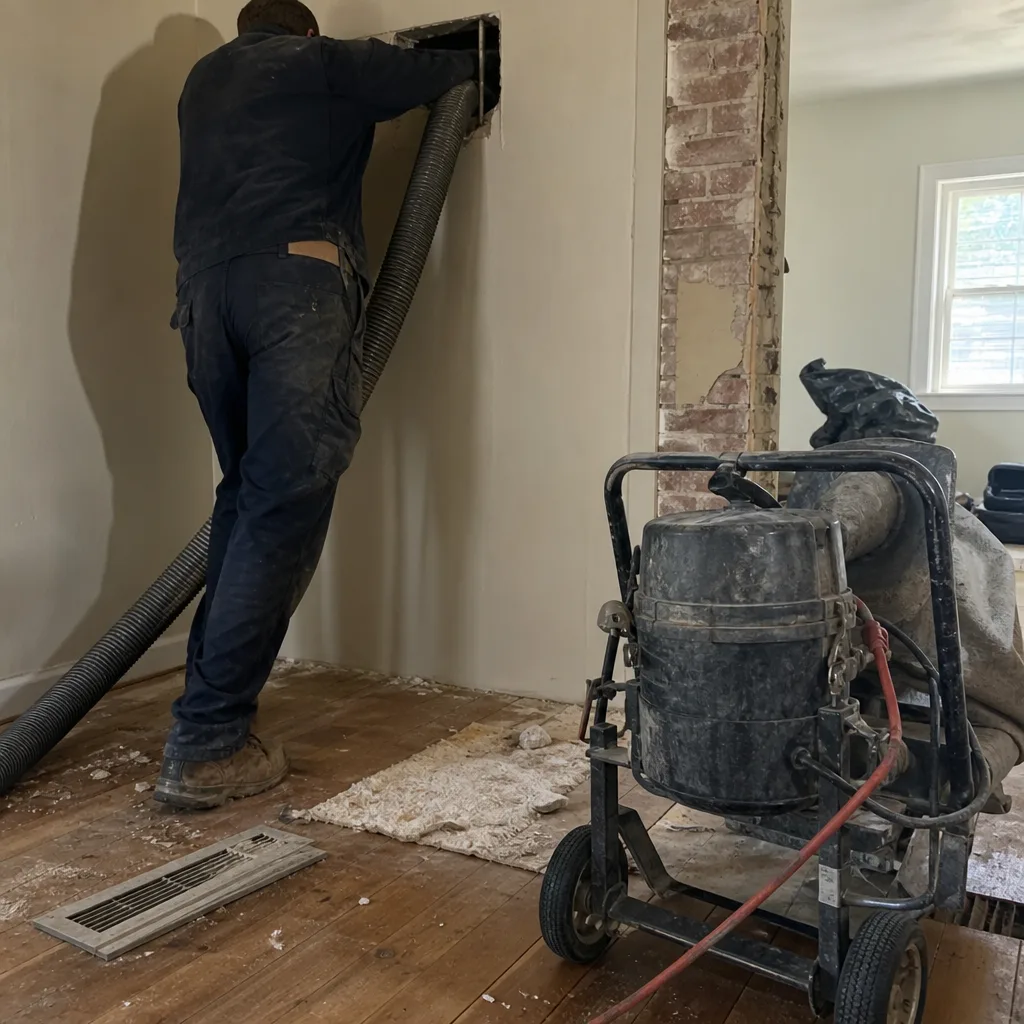 Before
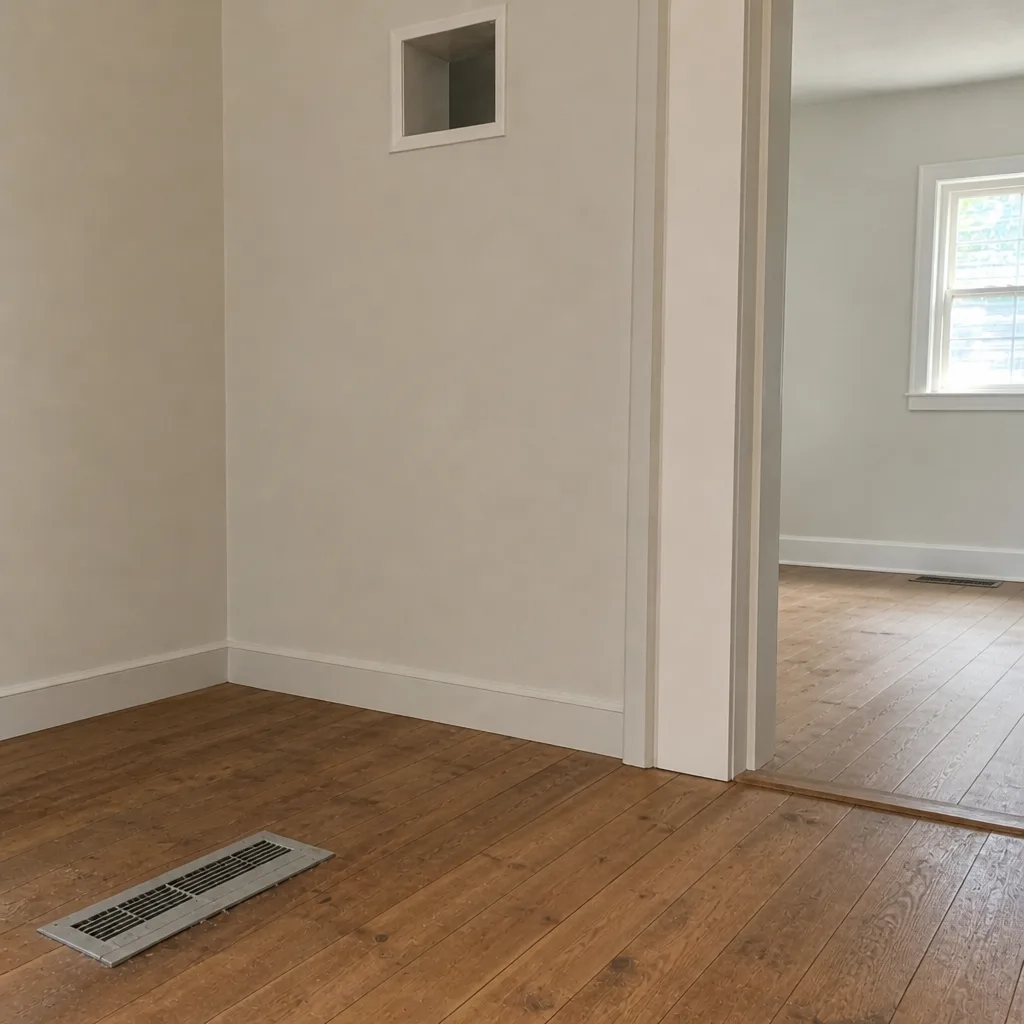 After
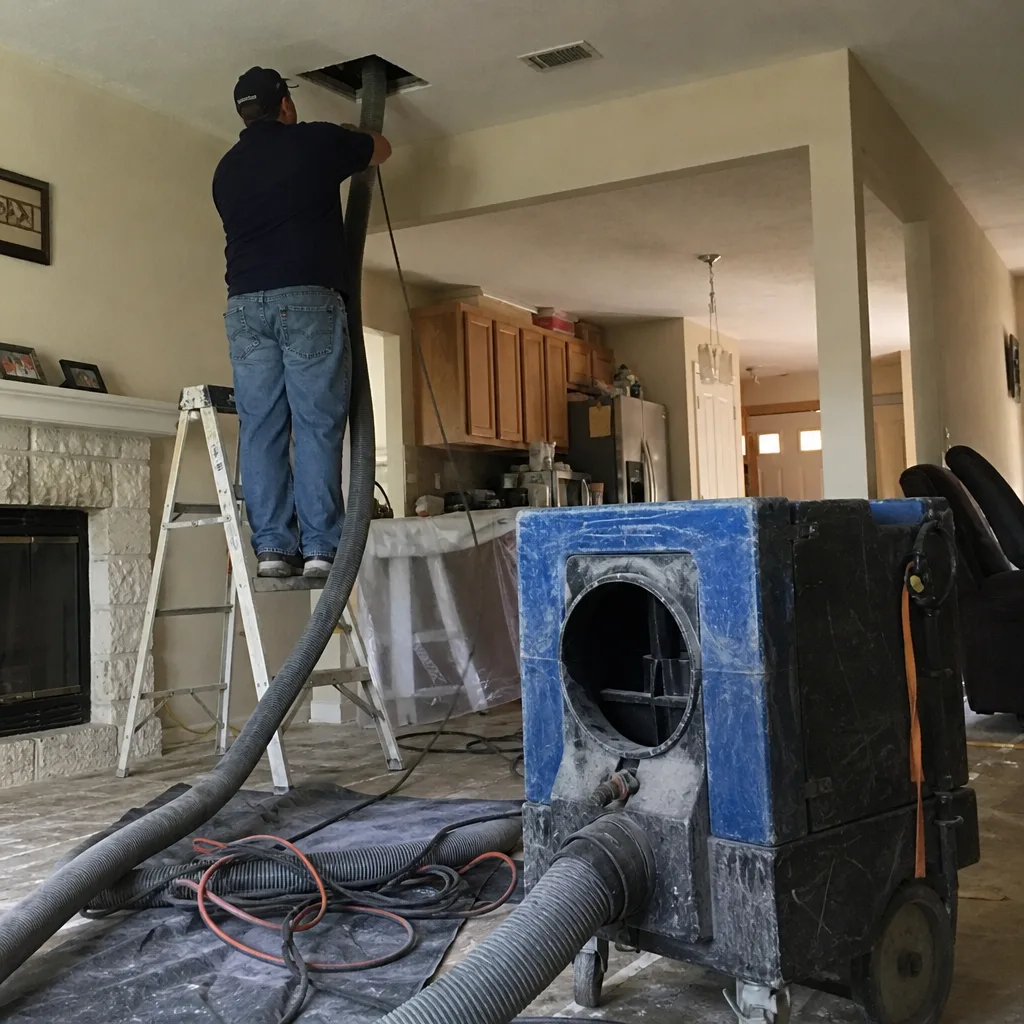 Before
 After
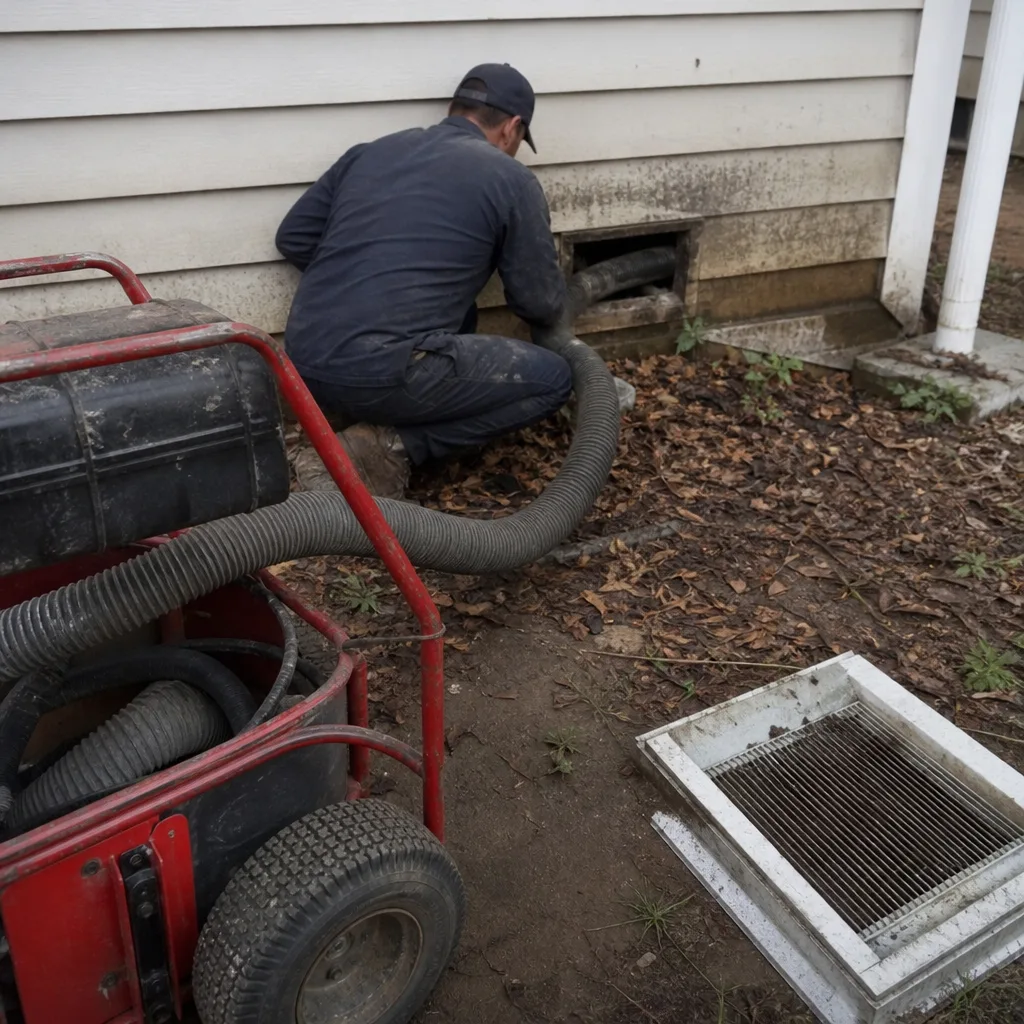 Before
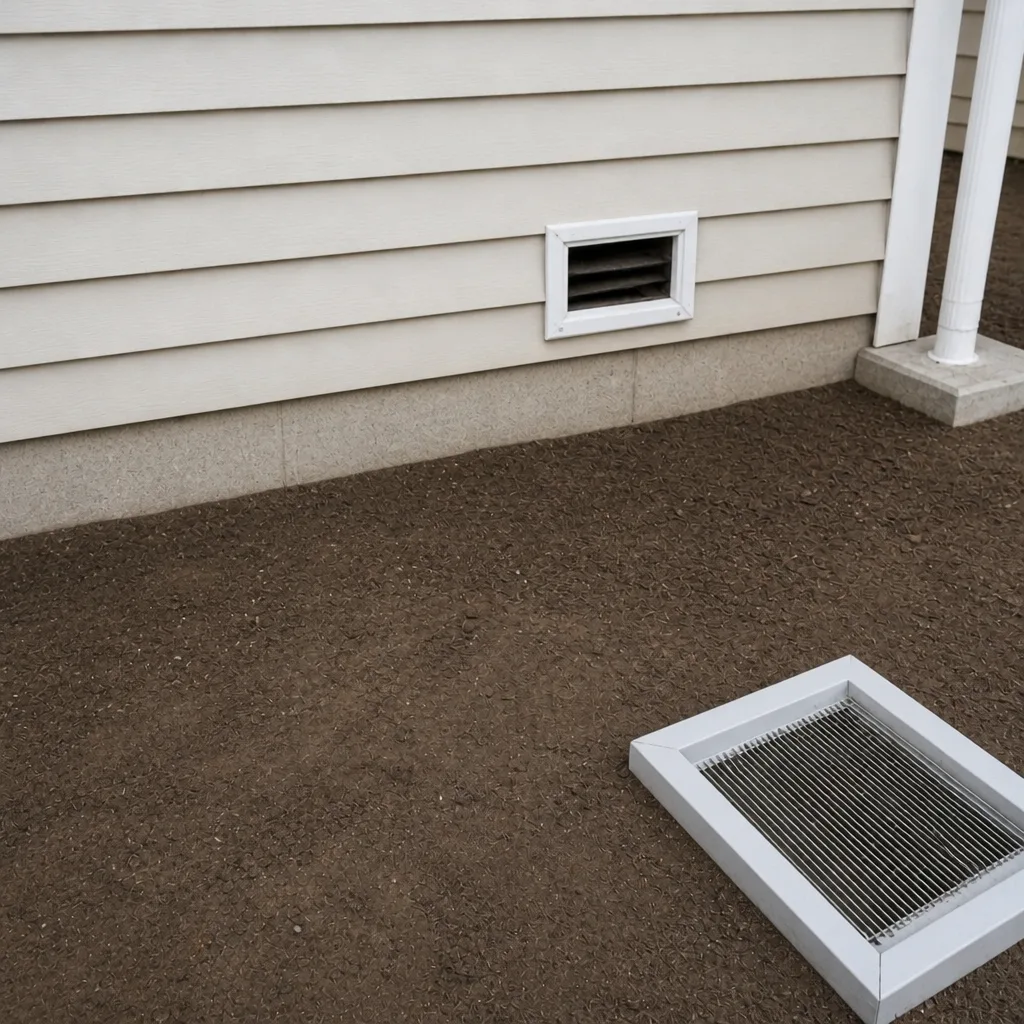 After
When to Call a Professional
Schedule an inspection when two or more early warning signs line up; when a documented event, a renovation, roof leak, flood, pest intrusion, or home purchase with no records, has occurred; when you see staining, musty odor, or visible mold; or when a room consistently underperforms while others perform fine. Also call when the dryer is taking longer to dry clothes, when the exterior vent hood is clogged with lint, or when the run has never been professionally cleaned.
Duct Cleaning Waco offers free estimates in Waco. Call (855) 745-6206. We answer 24/7. Fast dispatch from 7am to 7pm, Sunday through Friday. Written estimates are set per job, before any work begins, so the number you agree to is the number you pay. Our technicians have up to 13 years of experience, and the equipment on-site is purpose-built: Rotobrush rotary brush-and-vacuum systems, Nikro HVAC cleaning equipment, and Abatement Technologies contaminant-removal gear. We work on homes running major systems, including Honeywell and Aprilaire-controlled HVAC equipment. Before-and-after photos of your actual ducts are included with every job.
Frequently Asked Questions
Most Waco homes benefit from an inspection every few years and cleaning when the inspection shows it’s warranted. High-particulate situations, a home near ongoing construction, a household with pets or allergy-sensitive residents, or a recently renovated home, may need it more often. Homes without a cleaning history should be inspected once and then scheduled based on what the inspection finds. Call (855) 745-6206 for a free estimate.
The main distinguishing signal is location. Weak airflow at every register in the home points toward a restriction at the return, the filter, or the blower. Weak airflow at one or two registers while the rest are fine points toward the branch ducts feeding those rooms. A noisy blower points toward the motor. If the airflow is fine everywhere but the ducts look dirty, it’s a cleaning question. Call (855) 745-6206 and describe the pattern; we’ll tell you which service fits.
Yes, but it’s a late sign, not an early one. Visible dust from a register means the system has been accumulating debris for months. Dust blowing at the register should be treated as a signal that the problem is already established and inspection is overdue. Call (855) 745-6206 and describe what you’re seeing for an accurate estimate.
We use purpose-built equipment every time: Rotobrush rotary brush-and-vacuum systems for cleaning, Nikro HVAC cleaning equipment for coil and component work, and Abatement Technologies air-filtration and contaminant-removal gear when the job requires containment and safe removal. The equipment stays consistent regardless of the home; what changes is the protocol based on what the inspection finds. Call (855) 745-6206 to talk through your setup.
Dryer vents are part of every complete home ventilation job, and they’re the piece most homeowners skip. Lint buildup in the dryer vent is a verified fire risk, not just an efficiency issue. If your dryer takes longer than it used to, feels hot, or smells scorched, that’s a signal to get the vent checked. Call (855) 745-6206 for a free dryer vent estimate.
Mold and moisture need a different response than a standard cleaning. The moisture source, whether that’s a drain pan, coil issue, condensation, or a roof leak, has to be identified and corrected first. The remediation uses containment and air-filtration equipment to remove the contaminant safely. If you see visible mold or smell a musty odor from your ducts, call (855) 745-6206 and describe what you’ve noticed so we can talk through the right protocol.
The Bottom Line
The warning signs that matter most are the quiet ones: filters loading faster, one room running warm, longer HVAC cycles, a smell that keeps coming back. Visible dust and strong odors are late signals, not early ones. In Waco, a recent renovation, water intrusion, pest activity, or a home purchase without cleaning records is enough of a reason to inspect, even with no other symptoms. If you see moisture, mold, or staining, treat it as remediation rather than cleaning. And don’t forget the dryer vent, which carries a real fire-safety implication that has nothing to do with comfort. For a free estimate on duct cleaning in Waco, call Duct Cleaning Waco at (855) 745-6206. We answer 24/7. Fast dispatch from 7am to 7pm, Sunday through Friday. Written estimates are set per job before work begins, so you’ll know the price before we start, and every job includes before-and-after photos of your own ducts.
Written by the team at Duct Cleaning Waco.