
Last updated November 15, 2026
 Whole-home duct cleaning
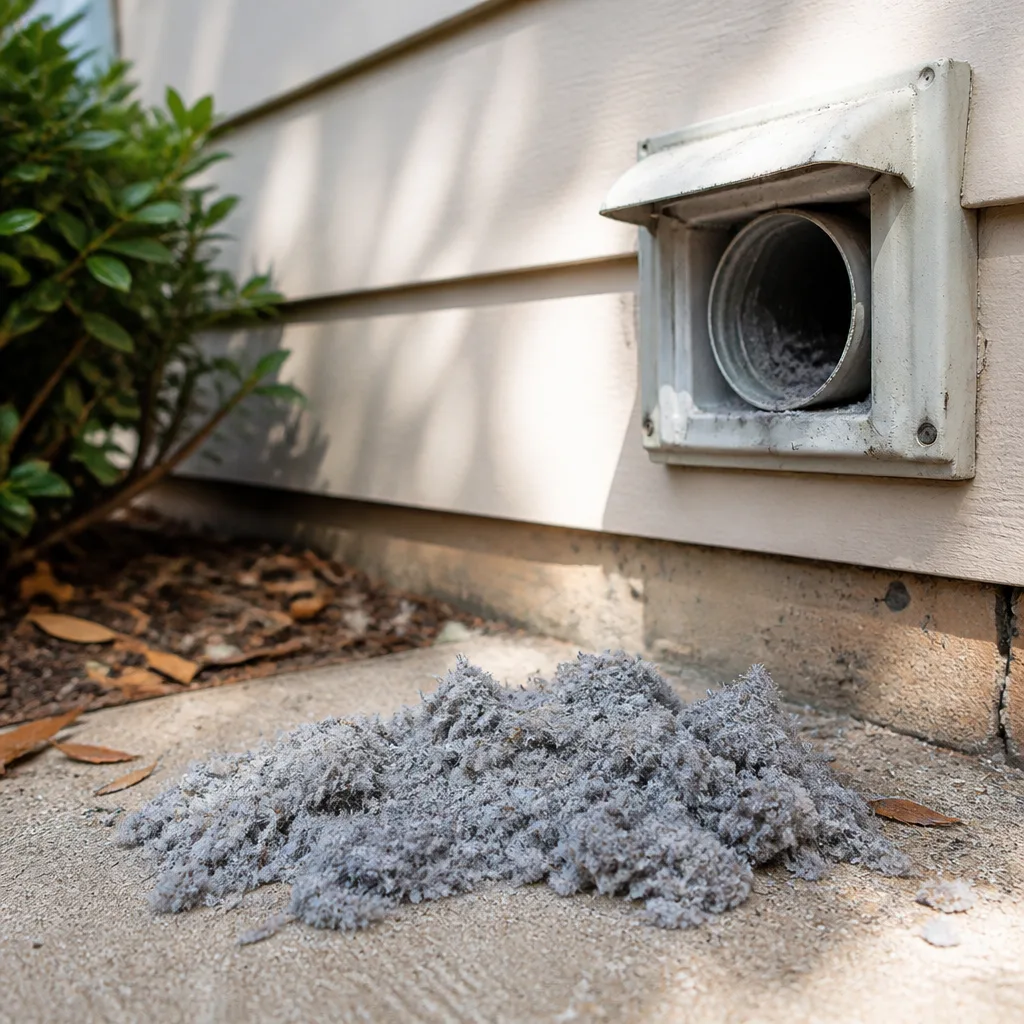 Dryer vent cleaning
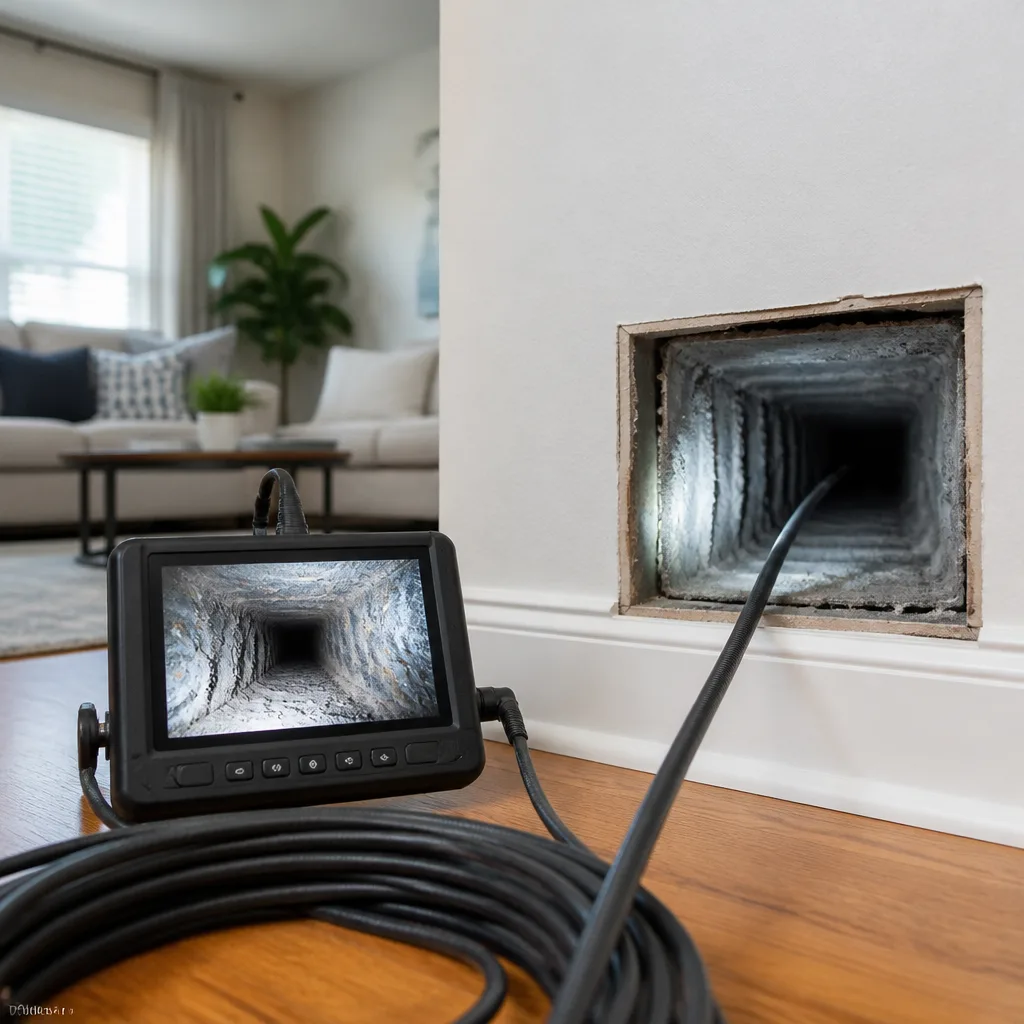 Camera inspection
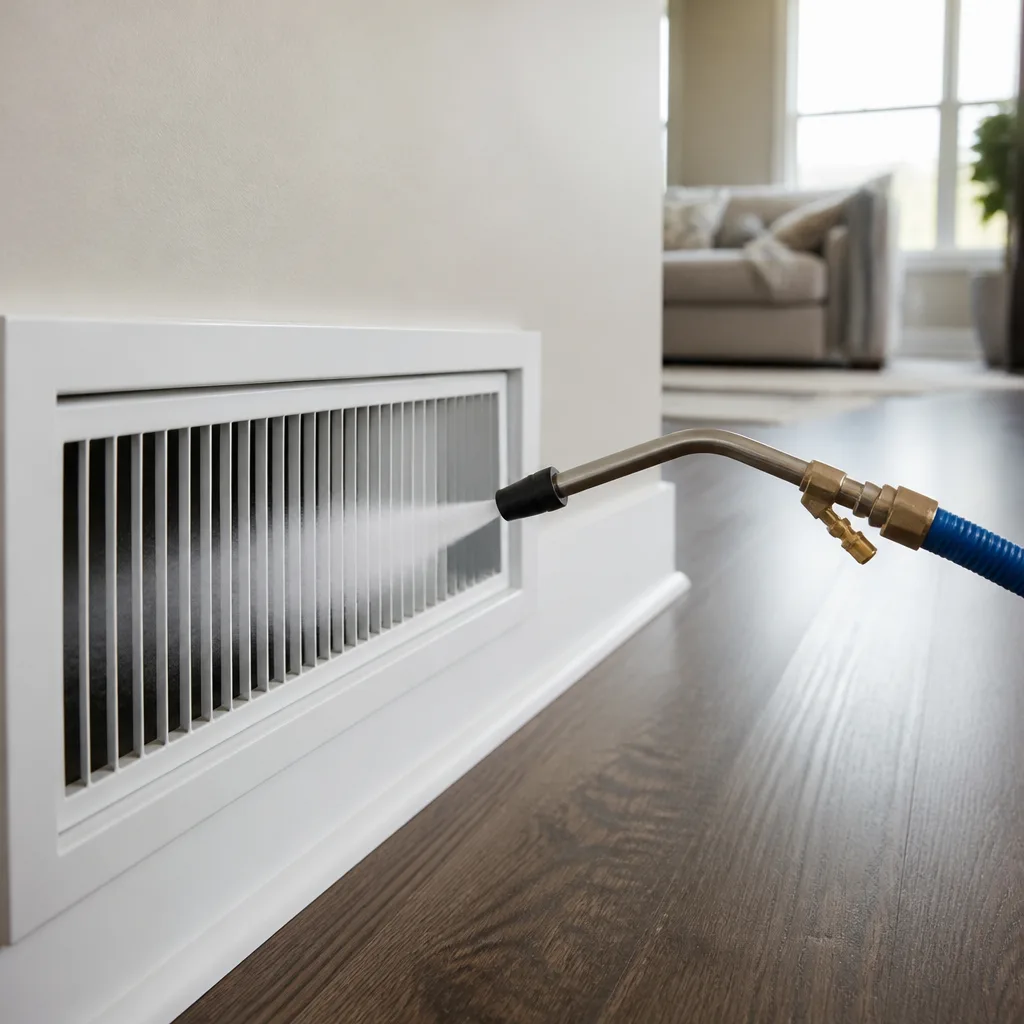 Sanitizing & deodorizing
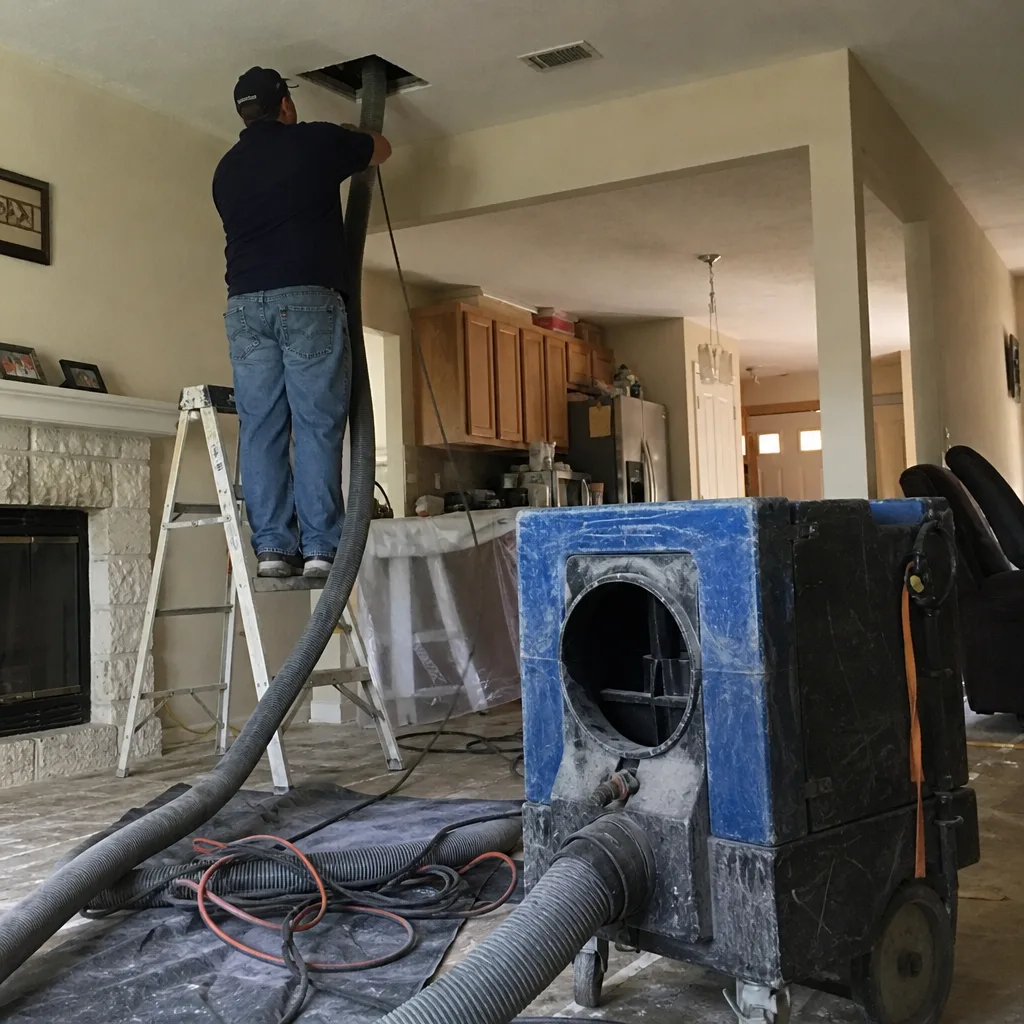
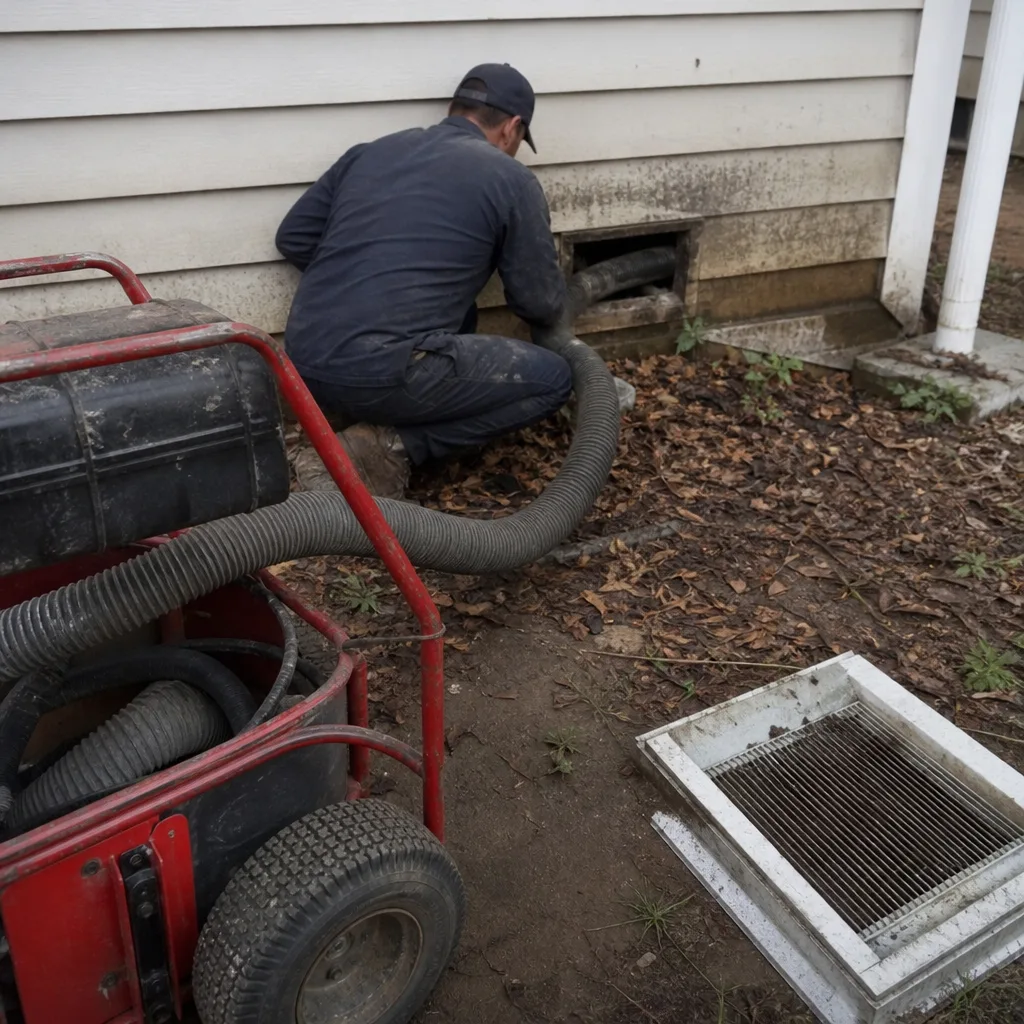
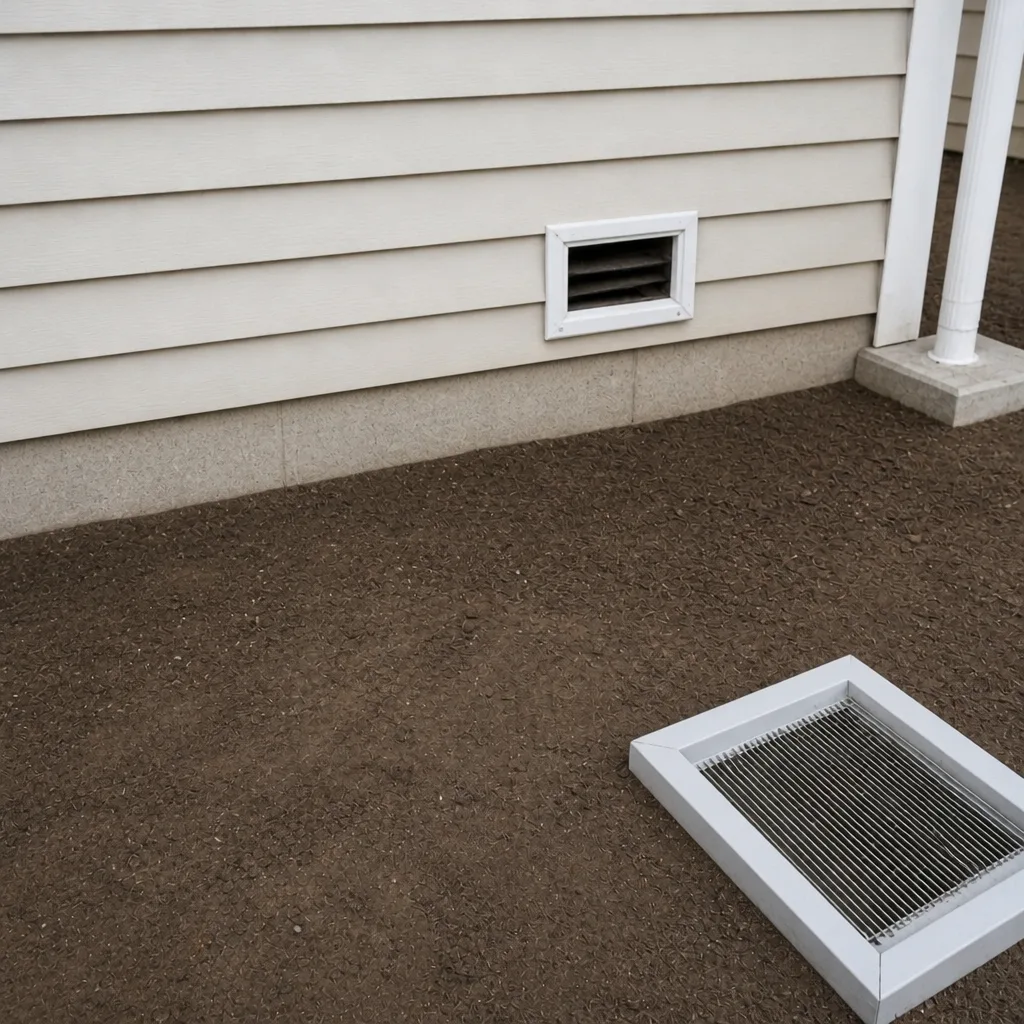
Whole-system duct and dryer vent check with before-and-after photos - you see exactly what came out of your vents
That "$99 whole-house special" is a bait ad - the real number appears once they are in your hallway, or the "clean" is a shop-vac at the register. We photograph the inside of your ducts before and after instead.
Seasonal Air Duct Cleaning Care for Waco: Year-Round Homeowner’s Guide
Most homeowners treat duct cleaning as a once-a-year checkbox, usually scheduled whenever a reminder happens to land. In Waco, that approach misses the point. The contamination events that matter here don’t spread evenly across the calendar – they cluster into four predictable windows, each driven by something specific to Central Texas: cedar pollen in winter, storm-driven infiltration in spring, months of punishing runtime in summer, and the first heating startup in fall. Cleaning in January is like washing your car the week before cedar season, not after it. This guide maps Waco’s four HVAC stress seasons to duct contamination risk, explains why late summer into early fall is the highest-value cleaning window in this market, and shows you how to prepare your system for each seasonal switch so you’re not blowing settled dust through the house on the first cold morning. You’ll also learn how to calendar dryer vent inspections around real lint-accumulation patterns and what a genuine year-round maintenance visit should include.
Quick Answer
The best time to clean air ducts in Waco is late summer into early fall, after the cooling season’s high runtime has pushed maximum air volume through the system and before you switch to heating mode. A second, lighter cleaning window makes sense in late winter after cedar season ends. Spring is the right time to inspect for storm-driven debris infiltration, and fall is when dryer vent inspections matter most because lint accumulation peaks with heavier laundry loads. Year-round care means matching each service to the season that stresses it, not following a generic twelve-month reminder.
Styles & brands we work with
- Whole-home duct cleaning
- Dryer vent cleaning
- Camera inspection
- Sanitizing & deodorizing
Table of Contents
- Waco’s Four HVAC Stress Seasons and What Each Does to Your Ducts
- Why Post-Summer Is Waco’s Highest-Value Cleaning Window
- How to Prepare Your Ducts Before Switching from Cooling to Heating
- Cedar Season and Your Ductwork: What December Through February Means
- Spring Storm Infiltration: What Central Texas Weather Pushes Into Your System
- Dryer Vent Seasonal Risk: Why Lint Peaks in Spring and Fall
- What a Year-Round Duct Maintenance Plan Should Include
- Frequently Asked Questions
Waco’s Four HVAC Stress Seasons and What Each Does to Your Ducts
Waco sits in a climate zone where the HVAC system works hard most of the year but the type of stress changes dramatically by season. Understanding those shifts is the foundation of smart scheduling. Here’s how the four seasons break down for ductwork in this part of Central Texas.
- Cedar fever season (December through February): Mountain cedar releases massive pollen volumes across Central Texas during these months. The fine particles pull into return-air intakes and settle inside duct runs faster than at any other time of year. Homes with pets and carpet see accumulation build more quickly.
- Spring storm infiltration (March through May): Central Texas spring brings high winds, hail, and heavy rain. Wind-driven debris and moisture can find their way into attic duct systems through compromised connections, loose joints, and deteriorated flex duct insulation.
- Peak cooling load (June through September): This is the longest sustained stress period. The system runs near-continuous duty cycles for months, pulling the highest volume of air through the ductwork all year. Attic temperatures climb dramatically, and the combination of heat and constant airflow degrades flex duct liners and insulation over time.
- Heating startup debris (October through November): When the system switches from cooling to heating for the first time in months, it pushes air through ductwork that’s been sitting relatively idle. Settled dust, pollen residue, and debris get distributed through every room the moment the fan kicks on.
That cycle doesn’t reset evenly. Each season deposits something the next one pushes through your house. This is why a duct cleaning schedule tied to these windows outperforms a generic annual reminder, and why timing matters as much as the cleaning itself.
Why Post-Summer Is Waco’s Highest-Value Cleaning Window
If you clean your ducts only once in a given year, do it in late August through October. That window captures the most accumulated contamination and delivers the biggest improvement in indoor air quality before the heating season begins.
The logic is straightforward. By the end of a Waco summer, your system has run through months of near-continuous cooling cycles. Every hour the fan runs is an hour of air moving through the same duct surfaces, depositing fine particles, pollen residue, and dust at the joints, elbows, and transitions where airflow slows. Attic temperatures in Waco during July and August push flex duct liners and insulation to their limits. Liners that were tight in April show sagging, surface degradation, and small tears by September. Those compromised liners release fiberglass particles and trapped dust into the airstream.
Cleaning in this window does three things at once:
- It removes the season’s accumulated contamination before the system shifts to heating mode and pushes it through living spaces.
- It lets a technician inspect duct integrity at the point when summer heat has done the most potential damage, catching liner tears and joint separation while they’re still repairable.
- It restores airflow efficiency before the heating season, when restricted ducts make the furnace work harder than it should.
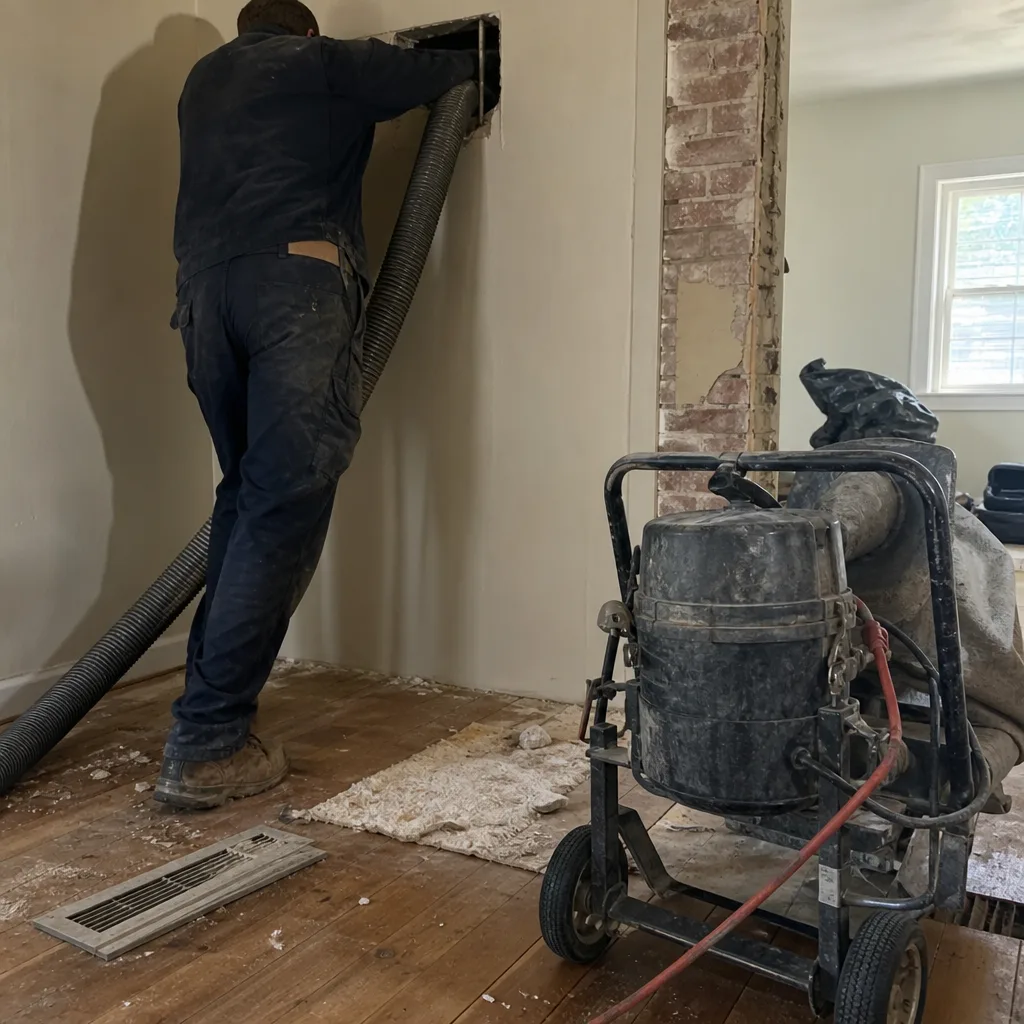
Late summer also gives you a realistic inspection point for air duct cleaning and repair in the same visit. A system that’s run at maximum duty cycle for months is exactly when structural issues surface, and our technicians have up to 13 years of experience identifying the difference between surface dust and genuine liner damage. We use Rotobrush rotary brush-and-vacuum systems for this work because the rotating brush action reaches the full interior surface of each run, not just what a vacuum can pull from the center of the duct. Nikro equipment handles the HEPA filtration and negative-pressure setup that keeps dislodged debris from migrating into your living space during the job.
How to Prepare Your Ducts Before Switching from Cooling to Heating
The transition from cooling to heating is the single most overlooked moment in home HVAC care. The first heating cycle pushes air through ductwork that’s been mostly dormant since spring, and whatever has settled there travels into every room at once. Preparing before the switch prevents that dust event.
- Replace the air filter before the first heating cycle. A filter that’s run through a full cooling season is loaded. A fresh filter captures what the system pushes through on startup instead of recirculating it.
- Check return-air grilles for visible dust loading. If the grille faces are gray or matted, the ductwork behind them needs attention before heating season, not after.
- Schedule a pre-season inspection in September or early October. A technician can confirm that duct connections are tight, flex liner surfaces are intact, and there’s no storm-driven debris sitting in the runs from spring.
- Look at the supply registers in each room. Dark streaking around the edges of a register usually means dust is being pushed through the seal, which points to pressure issues or contamination in the branch run.
- Run the fan briefly before the first full heating cycle. On a mild day, running the fan alone for a short period with the windows open can clear light surface dust without pushing it through occupied rooms.
- Note anything that smells different. A musty or dusty smell on the first heating run usually means moisture or biological growth somewhere in the system. That’s a scheduling priority.
If the inspection turns up a torn liner, a disconnected joint, or crushed flex duct in the attic, that’s a repair job, not a cleaning job. Duct repair is a standalone service because cleaning around structural damage doesn’t fix the problem. A crushed run or a separated collar lets unconditioned attic air and insulation fibers into the airstream regardless of how clean the rest of the system is.
Cedar Season and Your Ductwork: What December Through February Means
Cedar fever is a well-known part of winter in Central Texas, and it drives more duct contamination in Waco than any other single seasonal event. Mountain cedar pollen is fine, abundant, and present for months. Your HVAC system pulls it into the return-air side continuously while the system runs for heating.
Here’s what matters practically: pollen that settles inside ductwork during December, January, and February doesn’t stay put. Every time the system cycles, some of it lifts back into the airstream and distributes through the house. Homes with members who are sensitive to cedar pollen notice it most, but the accumulation affects everyone. The fine particle size means standard filters capture some of it but not all, especially during high-pollen weeks when the system runs long cycles.
A late-winter cleaning, scheduled for late February or early March after cedar season winds down, clears that accumulation before spring. That’s the second-best cleaning window in the Waco calendar. It’s lighter than a post-summer cleaning because the heating season doesn’t push the same air volume through the system, but it removes the specific contaminant load that defines Waco winters.
Two practical steps help during cedar season itself:
- Change the filter more frequently during high-pollen weeks. A filter that’s loaded with fine pollen stops capturing and starts restricting airflow.
- Keep the system fan on “auto” rather than “on” during cedar season so it isn’t continuously circulating outdoor pollen that enters through door openings and fresh-air intakes.
For homes with Honeywell or Aprilaire filtration components, cedar season is the right time to confirm those systems are working as intended. A whole-home filter that’s bypassing air around a poorly seated frame does little good during the heaviest pollen weeks of the year.
Spring Storm Infiltration: What Central Texas Weather Pushes Into Your System
Waco’s spring storm season brings wind, hail, and heavy rain, and each of those puts a different kind of stress on attic duct systems. This is the season to inspect, not necessarily the season to clean.
Wind-driven debris is the most common issue. Attic duct systems in Waco homes run through unconditioned space, and connections at the air handler, at trunk-and-branch junctions, and at register boots can loosen over time. A spring wind event doesn’t need to damage the roof to push fine debris and insulation particles into a system with compromised joints. Hail can abrade exposed flex duct surfaces in an attic if the roof decking takes impact. Heavy rain that finds a roof leak can introduce moisture into attic duct insulation, which is a much more serious problem than dust.
After a significant spring storm event, these are the things worth checking:
- Look for water staining on attic decking and insulation near duct runs. Any moisture contact with duct insulation warrants a professional inspection.
- Check that flex duct runs haven’t sagged, detached, or shifted from their supports. A run that’s dropped off a hanger is losing conditioned air into the attic.
- Inspect register boots for gaps where they meet the drywall or floor. Storm-driven pressure changes can open small gaps into larger ones.
- Schedule an inspection if you notice increased dust in the house after a storm event. That’s a signal that something in the system opened up.
Spring is also a good time for a structural look at the duct system as a whole. If an inspection turns up damage, repair is the right call before the cooling season pushes full air volume through a compromised system for months. For homeowners in neighborhoods like Woodway, Hewitt, and the established streets around Baylor, where many homes have older attic duct systems, spring is when those aging connections are most likely to reveal themselves.
Dryer Vent Seasonal Risk: Why Lint Peaks in Spring and Fall
Dryer vent lint accumulation isn’t steady through the year. It peaks in spring and fall, and the reason is simple: those are the seasons when laundry loads increase. Spring cleaning means washing bedding, curtains, and household textiles in volume. Fall brings heavier clothing and blankets back into rotation. More loads mean more lint, and lint that accumulates in a dryer vent is a fire risk, not just an efficiency issue.
That makes spring and fall the right times to calendar a dryer vent inspection. A dryer vent cleaning removes the accumulated lint from the full vent run, including the sections behind the dryer and the exterior termination point where lint tends to pack most densely. The safety value is the main point: lint is highly combustible, and a restricted vent also makes the dryer run hotter and longer, which compounds the risk.
A practical calendar looks like this:
- Early spring (March): Inspect and clean the dryer vent as part of spring household maintenance, before the heavy bedding-and-curtain laundry season begins.
- Early fall (September or October): Inspect again before heavier clothing and blanket loads start. This is also the right time to confirm the exterior vent flap opens and closes freely.
- Any time the dryer takes noticeably longer to dry a load: That’s a signal to inspect regardless of season. A vent that’s restricted enough to double drying time is restricted enough to warrant attention.
Dryer vent work is a core part of what we do, distinct from air duct cleaning but often scheduled in the same visit for convenience. It’s a fire-prevention service first and an efficiency service second, and it deserves a fixed place on the seasonal calendar rather than a call-when-you-remember approach.
What a Year-Round Duct Maintenance Plan Should Include
A genuine year-round duct maintenance plan should cover both seasonal cleaning windows plus a structural inspection, not just an annual vacuum pass. Here’s what’s reasonable to expect, and what separates a real maintenance schedule from a single annual visit dressed up as a plan.
What a proper year-round plan includes:
- Two cleaning visits per year, timed to the late-winter post-cedar window and the late-summer post-cooling window.
- A structural inspection of duct connections, flex liner integrity, and register boots at each visit, with a written report of anything that needs repair.
- Dryer vent inspection and cleaning scheduled into the spring and fall windows as part of the same service relationship.
- Filter guidance specific to the home’s system and the current season, including what filter rating makes sense for cedar season versus summer.
- A record of before-and-after condition at each visit so you can see what changed and when.
What a single annual visit can reasonably cover:
- One full-system cleaning, ideally in the late-summer window.
- One structural inspection at the same time.
- Filter replacement guidance for the coming year.
The gap between the two is real. A single annual cleaning catches the post-summer accumulation but misses the cedar-season load entirely, and it usually skips the dryer vent unless you ask. For homeowners in Waco with allergy concerns, pets, or older duct systems, the two-visit structure is worth it. For a newer home with a tight system and no allergy issues, a single well-timed annual cleaning plus a separate dryer vent inspection is a reasonable middle ground. Either way, the plan should be built around this climate’s actual seasonal pattern, not a generic twelve-month reminder set by a call center. Asking a company to explain which windows they schedule around is a fast way to tell whether the plan is designed for Waco or for a national template.
See the difference
 Before
 After
 Before
 After
 Before
 After
Common Mistakes to Avoid
- Cleaning right before cedar season instead of after. A January cleaning in Waco removes last year’s accumulation and then immediately faces three more months of heavy pollen load. Wait until late February or clean in late summer instead.
- Skipping the pre-heating inspection. The first heating cycle distributes whatever settled in the ducts over the dormant months. An inspection and filter change in September or October prevents that dust event entirely.
- Treating dryer vent cleaning as optional. Lint accumulation peaks twice a year in Waco households, and a restricted dryer vent is a fire risk. Put it on the calendar in spring and fall rather than waiting for a slow-drying signal.
- Hiring a company that shows up with a shop-vac. Consumer-grade vacuums move dust around inside the ductwork without removing it from the system. Professional-grade equipment purpose-built for ductwork is the difference between a real cleaning and a surface pass.
- Cleaning around structural damage instead of repairing it. A torn flex liner or a disconnected joint lets attic air and insulation fibers into the system regardless of how clean the rest is. If the inspection turns up damage, repair it before or alongside the cleaning.
- Assuming a spring storm didn’t affect the system. Wind-driven debris and pressure changes can open small gaps in attic duct connections even when there’s no visible roof damage. A post-storm inspection catches what a visual check from the living room won’t.
- Following a national annual-reminder schedule. Waco’s four-season stress pattern doesn’t match a generic calendar. A reminder set by a national franchise won’t land in the late-summer window that actually matters here.
When to Call a Professional
Some duct issues are clearly a professional call. Visible dust streaking around supply registers, a musty smell on the first heating cycle, a dryer that takes twice as long to dry a load, or any sign of moisture in attic duct insulation all warrant a professional inspection rather than a wait-and-see approach. If your system has run through a full Waco summer without a cleaning, late summer is the right time to schedule. If you’ve never had the ducts inspected and your home is more than a decade old, a structural inspection alongside a cleaning is the right starting point. And if you’re a landlord or property manager responsible for air quality across multiple units, a seasonal maintenance schedule is more cost-effective than reactive calls. Duct Cleaning Waco offers free estimates in Waco – call (855) 745-6206. We answer 24/7. Fast dispatch from 7am to 7pm, Sunday through Friday. Every job is priced at one flat price per system, agreed before work starts, and we show before-and-after photos of your own ducts so you can see exactly what changed.
Frequently Asked Questions
Once a year in the late-summer window is the baseline for most Waco homes, with a second lighter cleaning in late winter after cedar season if allergy concerns exist. Homes with pets, older duct systems, or family members sensitive to cedar pollen benefit most from the two-visit schedule. If you’re unsure, a structural inspection first will tell you whether your specific system needs one visit or two per year. Call (855) 745-6206 for an exact quote – estimates are free.
Late summer captures the most accumulated contamination because the system has run at near-continuous duty cycles for months, and it lets a technician inspect duct integrity after the season that does the most potential damage to flex duct liners. Cleaning in this window also removes the season’s debris before the heating system pushes it through the house on the first cold morning. Call (855) 745-6206 for an exact quote – estimates are free.
Yes. Mountain cedar releases fine pollen across Central Texas from December through February, and your HVAC system pulls it into return-air intakes continuously during heating season. That pollen settles inside duct runs and lifts back into the airstream on every cycle. A late-winter cleaning after cedar season ends clears that specific load before spring. Call (855) 745-6206 for an exact quote – estimates are free.
A professional inspection answers that question. Signs pointing to repair include visible sagging in attic flex duct runs, disconnected joints at the air handler or branch junctions, crushed runs, and dust streaking at register boots that suggests pressure loss. Cleaning around structural damage doesn’t fix the underlying problem. Our technicians have up to 13 years of experience distinguishing surface dust from genuine liner damage. Call (855) 745-6206 for an exact quote – estimates are free.
Schedule it in early spring and early fall, when heavier laundry loads drive peak lint accumulation. Any time the dryer starts taking noticeably longer to dry a load, that’s a signal to inspect regardless of season. Lint buildup in a dryer vent is a fire risk, so it deserves a fixed place on the seasonal calendar rather than a reactive call. Call (855) 745-6206 for an exact quote – estimates are free.
Professional-grade equipment purpose-built for ductwork, not consumer vacuums. Our work uses Rotobrush rotary brush-and-vacuum systems to clean the full interior surface of each run, Nikro HVAC cleaning equipment for negative-pressure HEPA filtration, and Abatement Technologies gear for contaminant removal rather than dust displacement. We also service homes with Honeywell and Aprilaire filtration components. Asking which equipment a company brings is a fast way to tell a specialist from a generalist handyman. Call (855) 745-6206 for an exact quote – estimates are free.
The Bottom Line
Waco’s climate doesn’t deliver HVAC stress evenly across the year. Cedar season loads your ducts with fine pollen from December through February. Spring storms test attic duct connections. Summer runs the system at maximum duty cycle for months and degrades flex duct liners in the heat. And the first heating cycle in fall distributes whatever settled over the dormant months. The single highest-value cleaning window in this market is late summer into early fall, with a second lighter cleaning in late winter after cedar season. Add spring and fall dryer vent inspections to the calendar, and you’ve got a schedule built around how this climate actually works rather than a generic annual reminder. If your system has run through a full Waco summer without attention, now is the time to book an inspection and a cleaning. For helpful context on the Waco market and how our services fit the area, explore our local page.
Ready to schedule? Call (855) 745-6206 for a free estimate. We answer 24/7. Fast dispatch from 7am to 7pm, Sunday through Friday, and we’re closed Saturday. Every job is quoted at one flat price per system, agreed before work starts, with before-and-after photos of your own ducts. We bring the right tools for the job – Rotobrush and Nikro systems, because ductwork deserves more than a shop-vac – and we clean it, repair it, and clear the dryer vent under one specialist relationship.
Written by the team at Duct Cleaning Waco.