
Last updated November 15, 2026
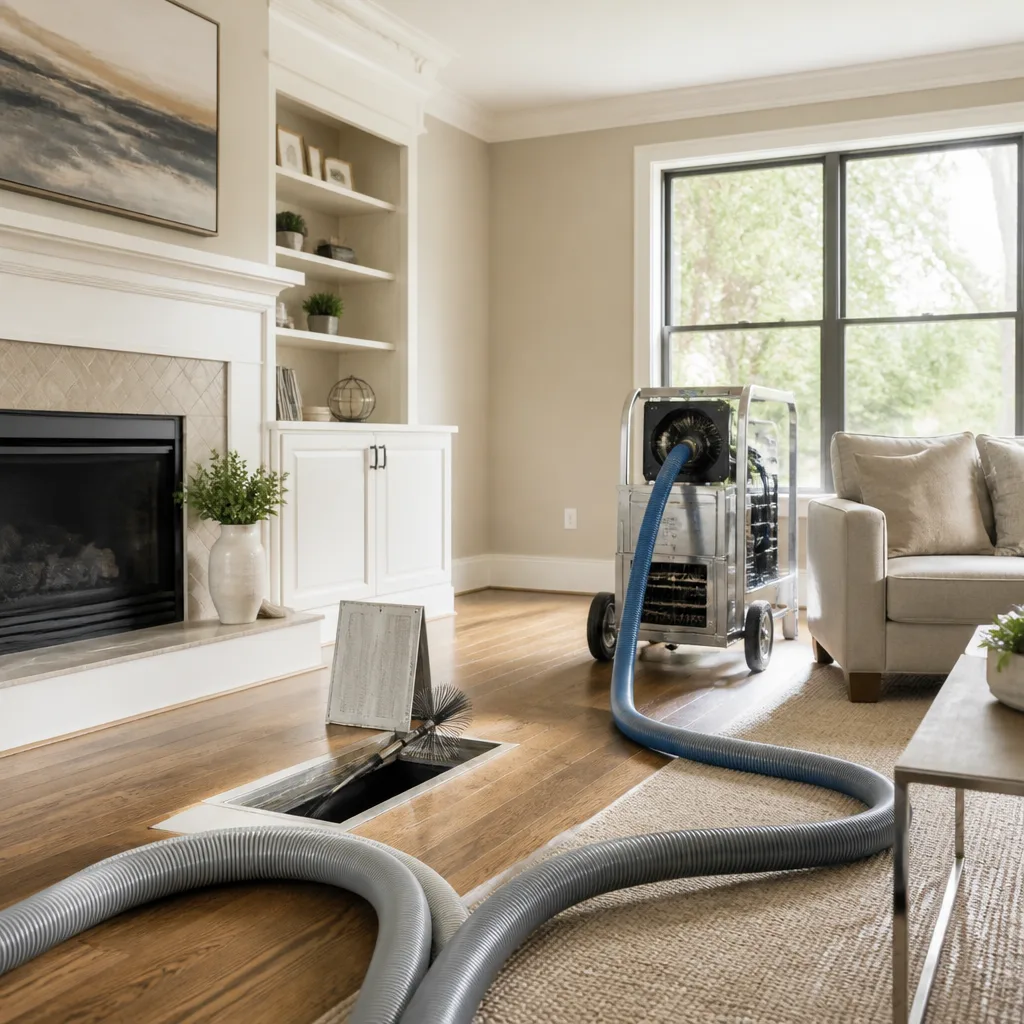 Whole-home duct cleaning
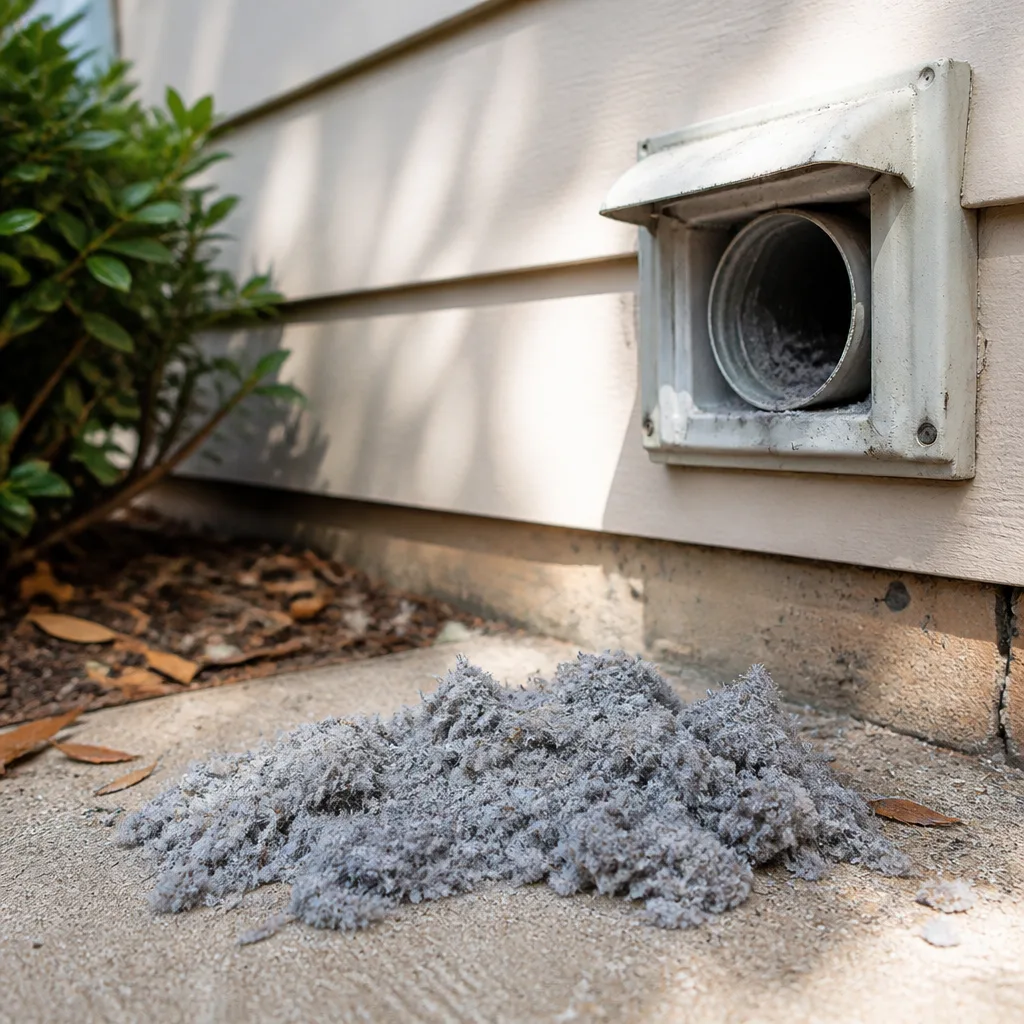 Dryer vent cleaning
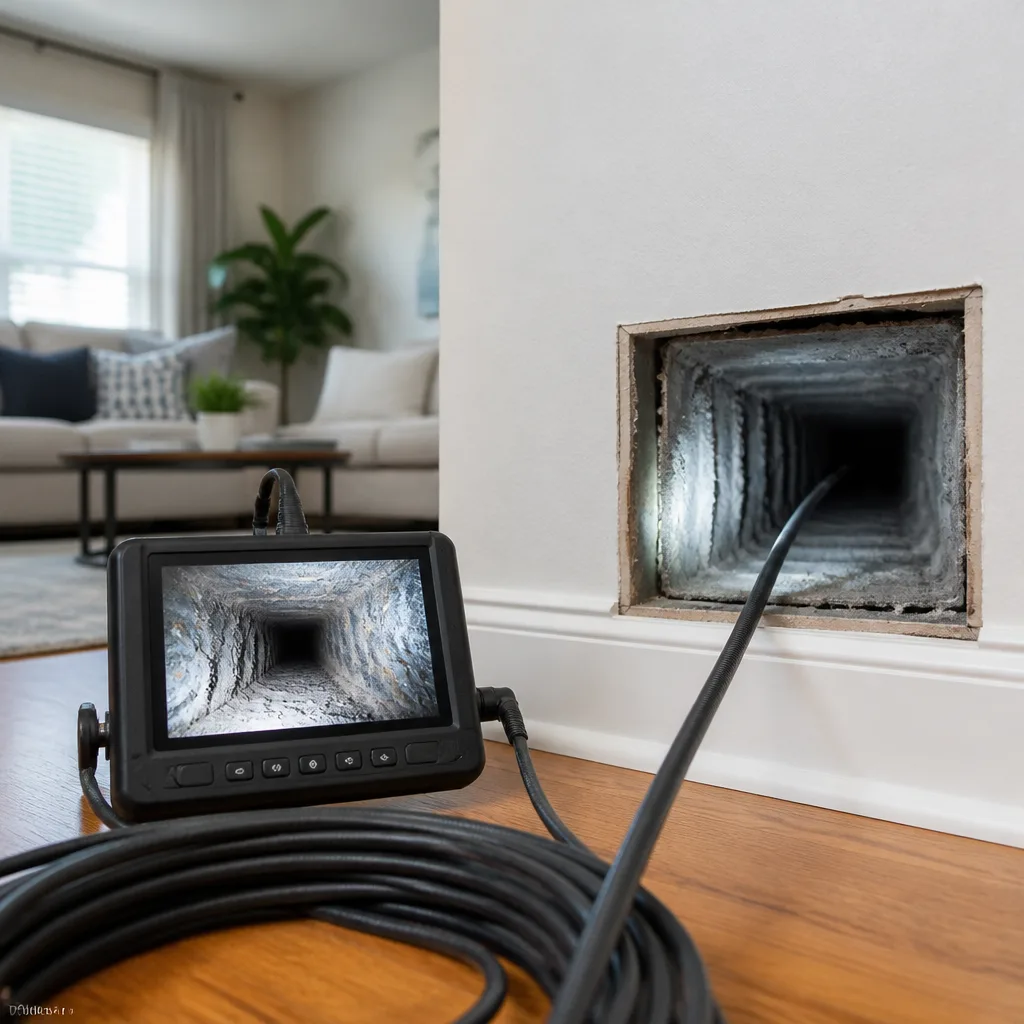 Camera inspection
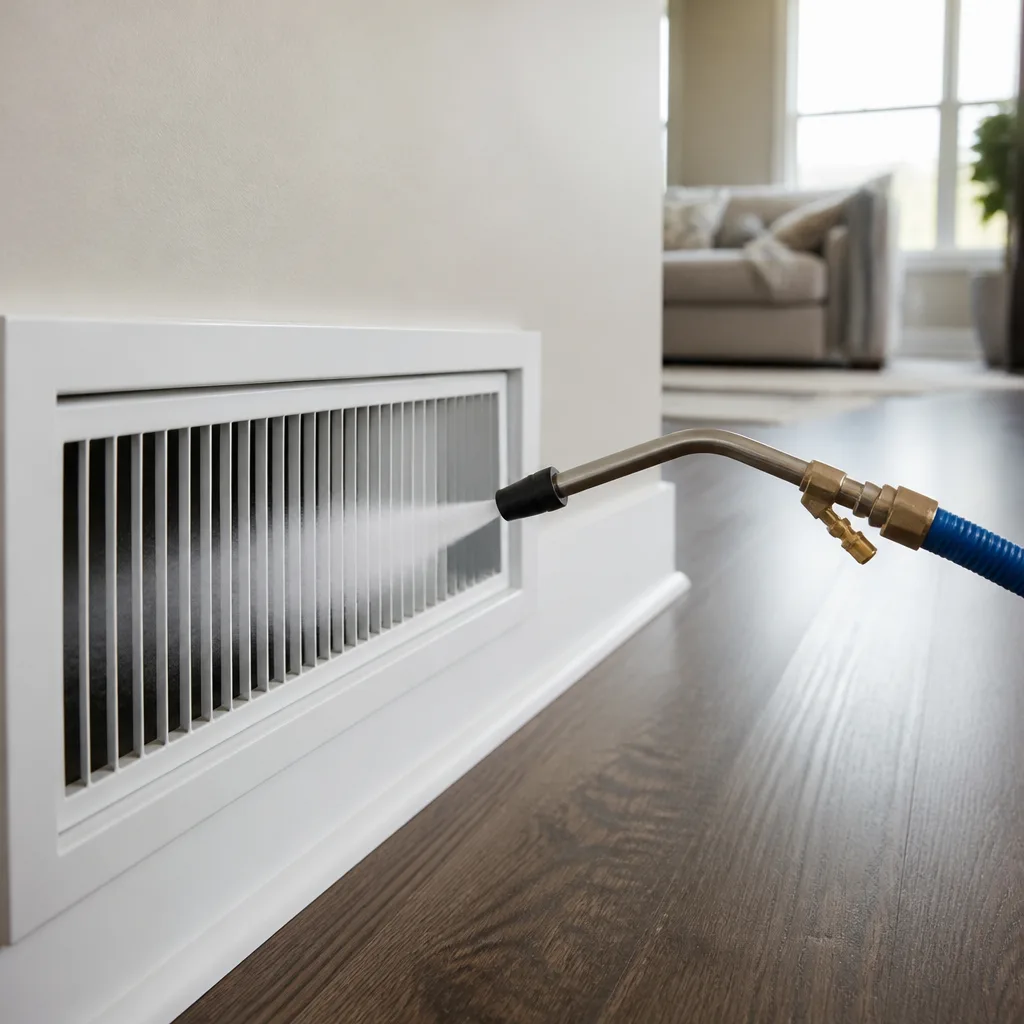 Sanitizing & deodorizing
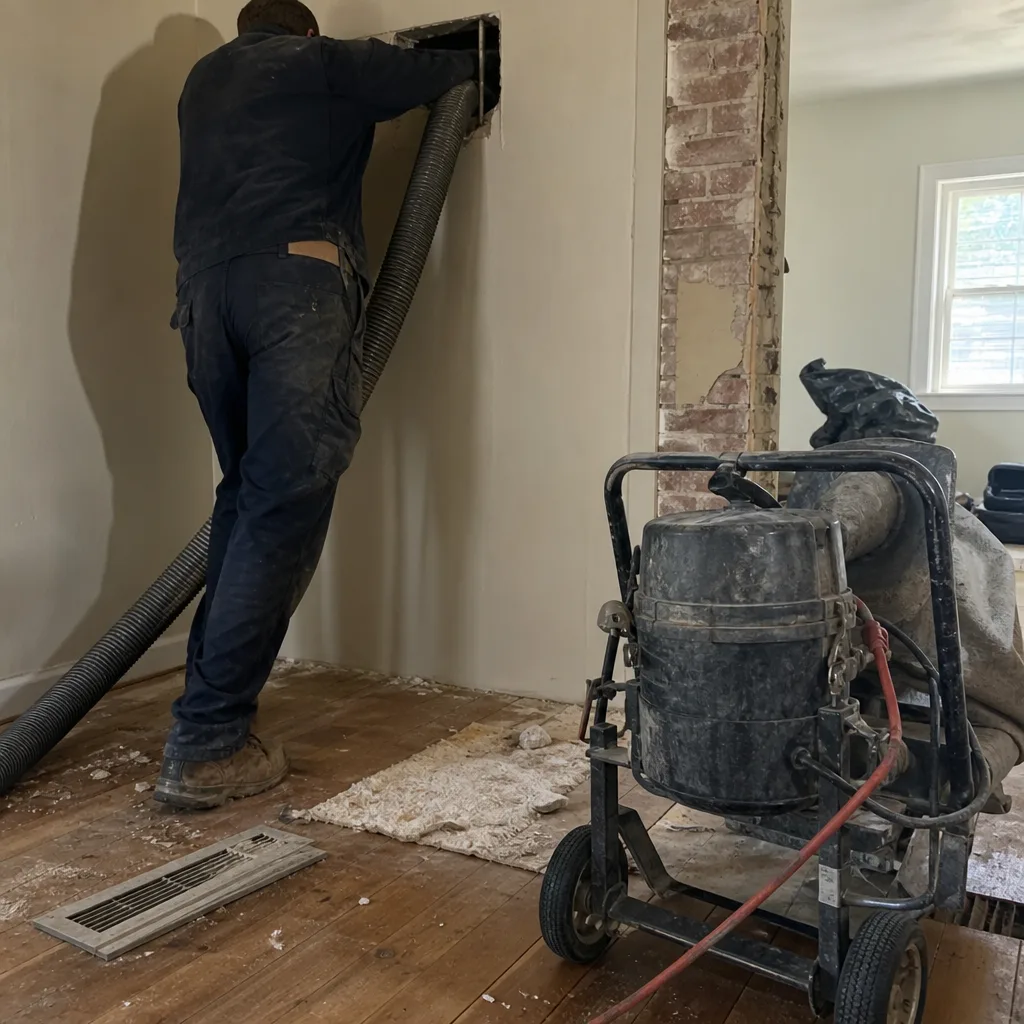
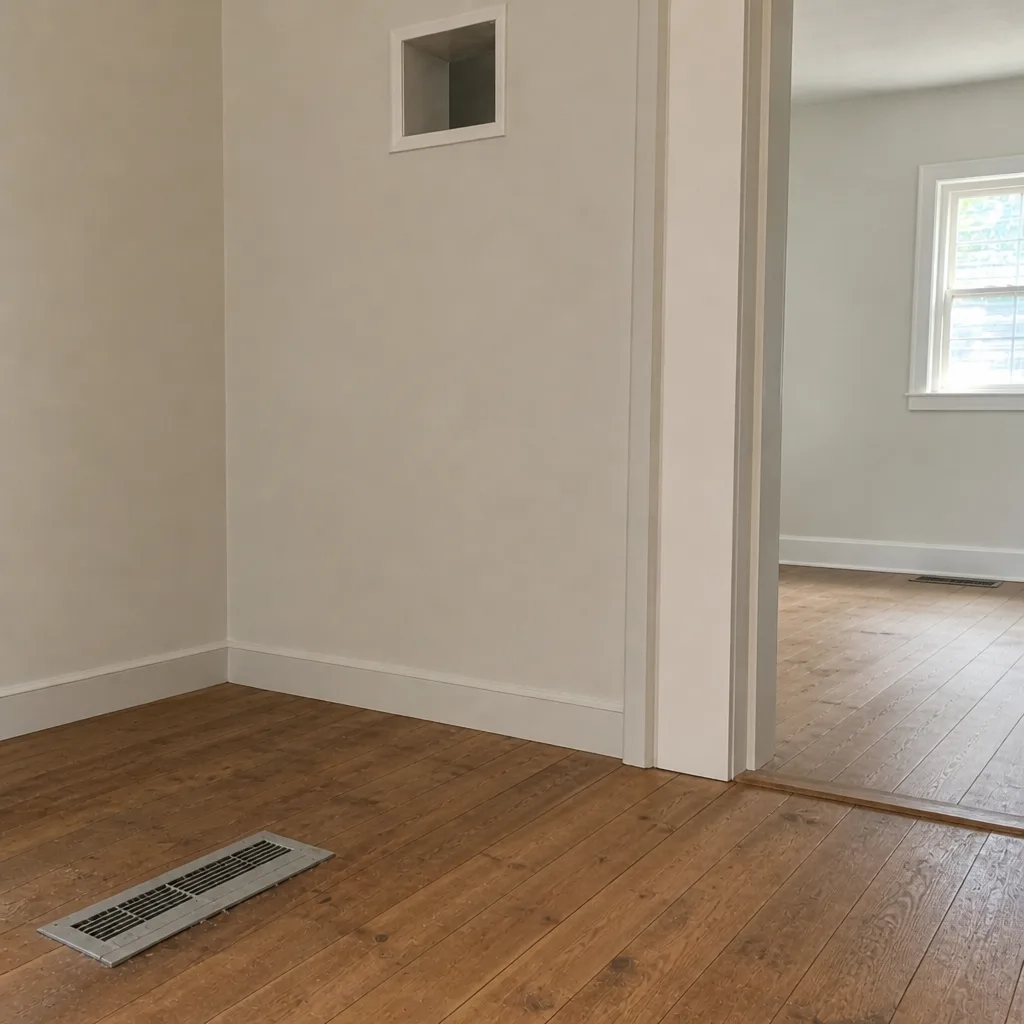
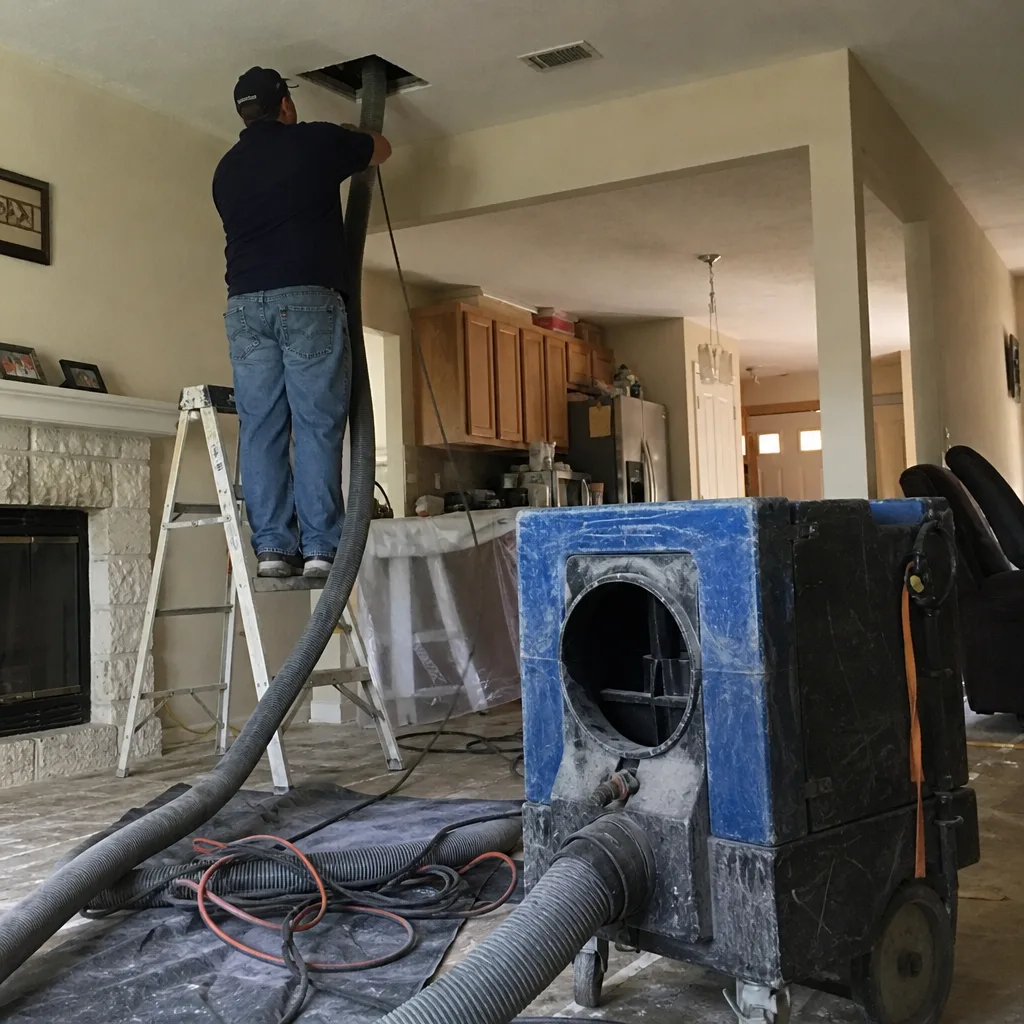
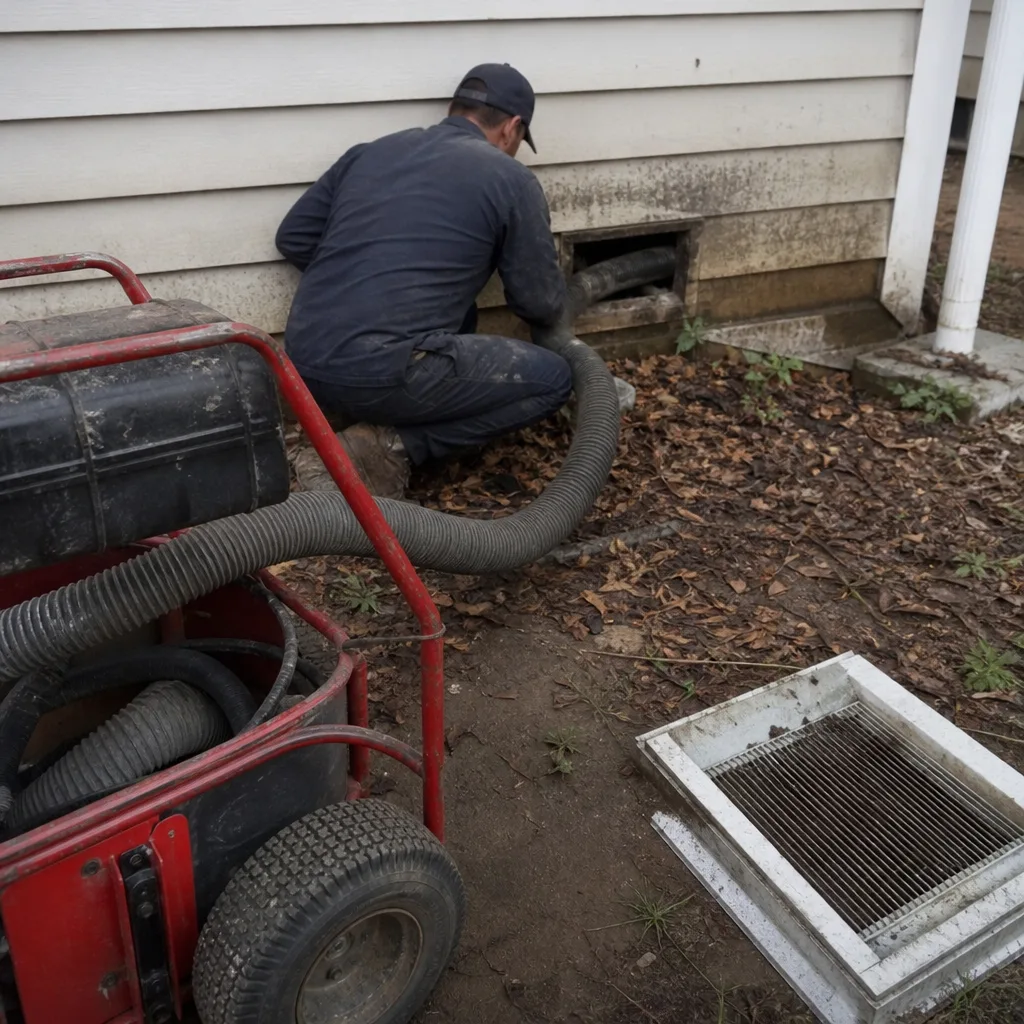
Whole-system duct and dryer vent check with before-and-after photos - you see exactly what came out of your vents
That "$99 whole-house special" is a bait ad - the real number appears once they are in your hallway, or the "clean" is a shop-vac at the register. We photograph the inside of your ducts before and after instead.
The Complete Guide to Air Duct Cleaning in Waco
A shop-vac on a hose can move dust from one part of your duct system to another. That’s what a lot of “duct cleaning” in Waco actually looks like, and most homeowners have no way to tell it happened. The truck pulls up, a hose goes into a register, some noise comes out of the vents, and everyone shakes hands. The dust that was sitting in your supply plenum is now sitting in your return. You’ve paid for movement, not removal.
This guide is about the difference. We’ll walk through what a full professional job looks like from intake to output, how a Waco home’s duct system is put together, why our humidity and red clay dust create a specific contamination profile, and what real before-and-after documentation looks like. By the end you’ll know how to tell a real clean from a marketing clean.
Quick Answer
A complete professional air duct cleaning job uses a truck-mounted or high-capacity negative-pressure vacuum with rotary brush agitation, seals the system to maintain suction, and cleans the supply plenum, return trunk, branch runs, registers and air handler separately with the right tool for each zone. In Waco, that job also has to account for the fine red clay dust and year-round humidity that make biological growth and dust cement-up more likely than in drier parts of Texas. A credible company shows you video inspection before and after, and gives you a flat price per system before work starts.
Styles & brands we work with
- Whole-home duct cleaning
- Dryer vent cleaning
- Camera inspection
- Sanitizing & deodorizing
Table of Contents
- What a complete, professional duct cleaning job actually involves
- Why negative pressure changes everything
- The anatomy of a Waco home’s duct system
- How Central Texas humidity and red clay dust shape contamination
- What before-and-after documentation should actually look like
- When cleaning isn’t enough: repair and sealing as the missing step
- Dryer vent cleaning and the fire-safety angle
- What you can reasonably check yourself, and what you can’t
- Common mistakes to avoid
- When to call a professional
- Frequently asked questions
What a Complete, Professional Duct Cleaning Job Actually Involves
A real duct cleaning job is a process, not a single step. The order matters because getting it wrong can make your indoor air worse in the short term before it gets better. Here’s how a full-system clean runs when it’s done right, using equipment like the Rotobrush rotary brush-and-vacuum systems and Nikro stations we use on every job.
- Intake and inspection. The technician walks the house, counts every supply and return register, checks the air handler closet or attic, and does a camera inspection of the interior of the trunk line and at least one branch run per zone. This is where the actual scope of the job gets decided, before any tool comes off the truck.
- System sealing and negative pressure setup. Every register in the house gets covered and sealed. The main vacuum connection is made at the air handler or the main trunk. From that moment on, the duct system is under continuous negative pressure, which means anything loosened is being pulled toward the vacuum, not pushed into your living room.
- Trunk and plenum cleaning. The main trunk and the supply plenum above the air handler are usually the heaviest accumulation points. Rotary brush heads and high-velocity air whips work the interior surfaces while the vacuum holds the dust stream.
- Branch run cleaning. Each branch run gets brushed with a brush sized to the duct, pulled through the full length of the run. Different runs need different brushes; a fixed-size consumer tool can’t do this.
- Register and diffuser cleaning. The grilles are removed, cleaned, and reinstalled. This step gets skipped on a lot of jobs and it’s one of the most visible differences afterward.
- Air handler and evaporator coil area. The blower compartment and coil area are cleaned with HEPA-filtered equipment. This is where biological growth and caked dust tend to sit in a humid climate.
- Final camera pass and documentation. The technician runs the camera again through the same sections, records video, and shows you the result before wrapping up.
Notice what isn’t on that list: a hose in one register and a promise. A single-register poke with a portable vacuum isn’t a full-system clean, and it can’t be, because the tools physically can’t reach most of the system from one opening. If a bid is for that, the price is right, but the job isn’t done.
Why Negative Pressure Changes Everything
The single biggest difference between a professional duct cleaning and a marketing one is what the vacuum does under load. A shop-vac pulled into your living room doesn’t hold the whole system at negative pressure. It pulls from one opening, creates a small local flow, and the rest of the duct system is basically a static box. Dust that gets loosened anywhere else in the system just falls, floats, or migrates toward the next register. That’s the movement problem, and no amount of running the fan afterward fixes it.
Professional-negative-pressure systems like the ones from Nikro and Abatement Technologies are built for a different job. They hold the entire duct system below ambient pressure, so every register, branch, and the trunk are all pulling in the same direction toward the collection point. When a brush loosens material in a branch run, that material is already in a moving air stream headed for the machine.
There’s a second piece that matters just as much: filtration. Abatement Technologies makes air-filtration and contaminant-removal equipment for a reason, and the reason is that pulling a lot of dust through a low-grade filter just returns the fine fraction to the room. A proper HEPA stage captures the respirable particles that make duct cleaning worth doing. If the machine on the truck has a bag-style shop filter and an open exhaust, your indoor air on the day of the cleaning isn’t cleaner, it’s temporarily worse.
Three things to ask before a crew starts, and the answer should be specific:
- What system will be used, and is it truck-mounted or a high-capacity portable built for ductwork? “Industrial vacuum” isn’t an answer; a model or a brand is.
- How will the system be sealed to hold negative pressure throughout the job?
- What filtration stage is on the exhaust, and is it HEPA?
If any of those questions get deflected, you already have your answer. The right tools for the job are the entire job. For a deeper walk through of this process on a typical Waco home, see our air duct cleaning page.
The Anatomy of a Waco Home’s Duct System
You can’t clean a system you don’t understand, and duct systems have zones that need different treatment. Most Waco homes are running one of three setups: a slab-on-grade ranch with the air handler in a hall closet and flex duct in the attic, a two-story with a zoned system and a mix of flex and sheet metal, or an older bungalow where the original metal trunk has been modified over the years with flex branches spliced in. Each of those has different failure points and different cleaning needs.
The zones break down like this:
- Return trunk and return plenum. The biggest dust collector in the system. Air returning from the house is slower and dirtier than supply air, so the return has the deepest accumulation. It also tends to be the hardest to reach from a single vacuum point.
- Supply plenum. The box above the air handler where conditioned air splits toward the branches. In humid climates this zone is prone to condensation and biological growth because it sees cold air right after the coil.
- Branch runs. The individual runs that feed each room. Flex branches in an attic can sag, crimp, or tear; sheet metal branches can lose their seams over time. Each branch needs a brush matched to its diameter and its material.
- Registers and diffusers. The visible end of the system, and the part homeowners judge the whole job by. A clean register with a dirty duct behind it is a cosmetic clean.
- Air handler and coil area. The blower wheel and evaporator coil have to be cleaned as separate components, not just hosed down. A dirty blower wheel cuts airflow to the whole house.
Why does zone-by-zone matter? Because the tools are different for each one. A rotary brush that’s right for a twelve-inch trunk will tear a six-inch flex branch. A high-velocity air whip that’s right for a branch is too aggressive near a coil. A truck with one tool, or a shop-vac with a hose, can’t do zone-by-zone. That’s not a pricing difference, it’s a capability difference. Professional duct cleaning is what happens when the tools can actually match the anatomy.
If you’re in a home with older flex branches, our Waco service overview covers the specific systems we see most often in this market.
How Central Texas Humidity and Red Clay Dust Shape Contamination
Duct contamination isn’t the same everywhere, and the local environment is the biggest reason. Central Texas gives you two forces working together, and they produce a contamination profile that doesn’t match what you’d see in Phoenix or Amarillo.
The clay dust. Waco sits on the Blackland Prairie and the surrounding red clay, and the dust that finds its way into a house here isn’t the light, sandy dust of West Texas. It’s fine, it’s heavier, it clumps when it gets wet, and it streaks surfaces. In a duct system, that means it settles in the trunk and the plenum rather than blowing straight through the coils and filters. It also means filter changes get you part of the way there but not all the way, because the fine fraction that gets past a filter also sticks to duct walls and to the fins of the evaporator coil.
The humidity. Central Texas runs humid through a long cooling season. Every time the air conditioner cycles, cold supply air moves through the plenum and near the coil, and the interior surfaces of the duct system get close to the dew point. That’s a biological-growth opportunity, particularly in the supply plenum and the bottom of the air handler. In a drier climate the duct system stays dry most of the year and this is a smaller problem. Here it’s a steady one.
The combined effect is what we look for on a Waco intake inspection:
- Fine red-brown accumulation on the return trunk and the edges of the supply plenum, usually clumped rather than loose.
- Visible growth or dark staining in the supply plenum and around the evaporator coil.
- A musty smell that gets stronger when the system first comes on after being off, which is a sign of growth or moisture in the plenum.
- Filters that load up on the edges and in the middle at the same rate, which suggests fine clay dust rather than coarse debris.
None of that means your ducts need cleaning every year. It means the timeline here depends on the house, the filter discipline, and whether anyone’s done a full-system clean before. A drier climate buy might reasonably push duct cleaning off for years; a Waco home with pets, an older system, and a habit of running the fan continuously on “on” instead of “auto” runs on a shorter cycle.
What Before-and-After Documentation Should Actually Look Like
This is where most “duct cleaning” reviews get written in frustration. The homeowner wasn’t home, or was home and couldn’t see what happened, and afterward had no proof the work was done. The answer to that is camera inspection, and it’s the standard we hold ourselves to.
Here’s what a credible documentation process looks like:
- Pre-work camera pass. A borescope-style camera goes into the return trunk, the supply plenum, and at least one branch run per zone. Video, not stills. This is the same pass that decides the scope of the job.
- Pre-work photos of registers and air handler. Both sides of the coil if possible.
- Post-work camera pass on the exact same sections. The same trunk, the same plenum, the same branch. Same camera, same lighting. This is what makes it verifiable; a photo of a different duct proves nothing.
- Video you can actually look at. Recorded and shown to you before the crew leaves. Not “we’ll email it later.”
- A written scope with what was done. Which zones, which tools, which components. If a company can’t tell you what they cleaned, they didn’t clean it.
Three reasons this matters more than a testimonial:
- Duct interiors are the one part of the job you can’t check by walking around after.
- Growth and fine dust look different after a clean, and only a camera pass shows the difference.
- A company that expects to show before-and-after video has a strong incentive to actually clean.
Ask for pre-work video before signing anything. If the answer is no, that’s the whole conversation, and you don’t need to hear the rest. For what our process looks like from the customer side, our main page on Duct Cleaning Waco walks through it.
When Cleaning Isn’t Enough: Repair and Sealing as the Missing Step
Sometimes a system is dirty because of the cleaning schedule. Sometimes it’s dirty because the system is physically broken, and cleaning it again next year produces the exact same result. Distinguishing those two cases is what separates a real clean from a repeated one.
Three common structural issues show up in Waco homes:
Torn or disconnected flex branches. A branch that’s been stepped on in the attic, chewed through, or pulled loose at a collar leaks return air from the attic into a supply run. That air is hot, dirty, and carries insulation fibers with it. No amount of cleaning fixes a branch that’s actively pulling in attic air.
Failed seams and joints. Older sheet metal trunks lose sealant over time. A leaky trunk loses supply air into the attic or crawlspace, which is energy lost and dust drawn in. In a humid climate, the same seams can also sweat and add moisture to the equation.
Collapsed or crushed flex runs. Flex duct sags over time, and a run that’s crushed cuts off that room’s airflow. The system runs longer, the coil gets colder, and condensation increases. That’s the beginning of a growth problem that looks like a cleaning problem.
Here’s the honest decision point. Cleaning is the right first step when the system is intact and dirty. It’s the wrong only step when:
- Camera inspection shows a tear, crush, or disconnect in a branch.
- Attic-side leaking is visible at collars, boots, or seams.
- The air handler has structural damage or the coil is too caked for cleaning to restore airflow.
- You’ve had a clean in the last few years and the same problem is back.
Air duct repair as a standalone service exists for exactly those cases. It’s a different job from cleaning, and a company that only cleans has to either clean around a broken duct or tell you to call someone else. That’s why we offer both: you don’t want a clean that’s going to need the same clean again next year. If camera inspection turns up structural damage, repair the duct first, seal the system, and then clean it, in that order.
Dryer Vent Cleaning and the Fire-Safety Angle
Duct cleaning is about the air you breathe. Dryer vent cleaning is about something different: fire prevention. Those are two separate jobs and they should be treated that way, not sold as a bundle add-on.
How the buildup happens, in plain terms:
- Every dryer cycle pulls lint off the clothes. Most of it captures in the lint screen, but a fraction passes through.
- That fraction accumulates on the interior wall of the vent run and on the inside of the transition duct behind the dryer.
- Lint buildup restricts airflow, which slows the dryer and raises the temperature inside the vent.
- Lint is combustible at ordinary dryer temperatures, and a clogged vent concentrates heat behind the blockage.
The safety outcome here isn’t comfort or efficiency, and it shouldn’t be sold as one. It’s a fire-prevention job. A dryer vent with heavy lint accumulation is a known risk, and it’s a risk that’s fully removable with the right brushing and vacuum equipment. That’s not a scare tactic, it’s the reason dryer vent cleaning exists as a service in the first place.
Waco-specific note: the same red clay dust that loads up your duct filters also rides into the dryer vent on the clothes, and it binds to lint in the vent run. Homes on unpaved roads or on lots with exposed clay tend to see a heavier, denser accumulation than homes on the paved side of town. It clumps and it doesn’t move the way pure lint does. Inspect early, and consider the transition duct behind the dryer, not just the main run, when you’re checking.
If you want the full process, see dryer vent cleaning for what gets cleaned and what gets inspected.
What You Can Reasonably Check Yourself, and What You Can’t
You can do a lot of useful checking without tools. You can’t do a full-system clean without tools, and we want to be clear about that so you don’t waste a weekend.
What you can do:
- Filter discipline. Change or clean the filter on a schedule that matches your house. In a Waco home with pets, 30-day changes are a reasonable starting point; check at 30 days and adjust. A cheap filter changed on time beats an expensive one left in.
- Register check. Remove a supply register and look at the first few inches of duct interior with a flashlight. If you see caked dust, dark staining, or debris, that’s a signal the system needs professional attention.
- Smell test. Turn the system on after it’s been off for a few hours. A musty smell at the first minute is a sign of growth or moisture in the supply plenum. A dusty smell that fades in a few minutes is likely settled dust on the registers.
- Dryer vent. Look behind the dryer at the transition duct. If it’s a plastic or foil accordion duct and it’s got visible lint accumulation, that’s a real concern and worth professional attention. Also check outside: if the exterior vent flap doesn’t fully open during a cycle, airflow is restricted.
What you can’t do without professional equipment:
- Reach the trunk line, the supply plenum, or the far end of branch runs.
- Hold the whole system under negative pressure while agitating.
- Camera-inspect the interior of the ductwork for tears, disconnects, or growth.
- Clean the air handler blower and coil safely (there’s an electrical component and a refrigerant circuit, and the coil is fragile).
Don’t try to clean your own air handler. The blower wheel is electrically connected, the coil fins bend if you look at them wrong, and getting liquid into the wrong place is a much bigger bill than the cleaning would have been. That’s a job for a trained technician with the right equipment, and it’s one of the reasons professional cleaning exists as a service.
Common Mistakes to Avoid
- Judging by price alone on a house in Waco. The lowest bid usually means less equipment, fewer zones, or a shorter job. A flat price per system with a documented scope is worth more than a number that seems too good, because it is.
- Not asking what equipment is coming. “We use a powerful vacuum” is not an answer. Ask for the brand, ask whether the system is sealed for negative pressure, ask about HEPA filtration. The tools are the job.
- Accepting a clean without camera video. If you can’t see the duct before and after, you’re taking someone’s word for the one part of your house you can’t inspect on your own.
- Letting the dryer vent go without a look. It’s the one part of your home’s air systems with a fire-safety dimension, and it’s the easiest to forget because it’s behind the dryer and out of sight.
- Cleaning a duct system that has a structural problem. If a flex branch is torn or a trunk seam has failed, cleaning first and repairing “later” usually means the cleaning has to be repeated. Inspection first, repair where needed, clean after.
- Running the fan continuously. Setting the thermostat fan to “on” instead of “auto” runs air through the return, the filter, and the ducts every hour the system is off. In a humid climate that pulls moisture into the duct system and speeds up the buildup. “Auto” is the right default for most homes in Waco.
- Assuming a filter change is a clean. Filters capture the air on its way to the coil, but they don’t clean the duct walls, the plenum, or the branches behind them. A system that’s never been cleaned doesn’t get clean by changing filters more often.
When to Call a Professional
Not every home needs duct work this year. Some do, now. Call a professional when you notice any of the following:
- A musty smell that only shows up when the system first comes on, or that gets worse when you run the fan.
- Visible dust streaks or dark accumulation inside a register, or dust settling on furniture shortly after a filter change.
- An unexplained jump in allergy or respiratory symptoms that tracks with the HVAC season, especially in a home you’ve just moved into.
- Recent renovations, water intrusion, or pest activity that would have disturbed the duct system.
- Visible lint accumulation behind the dryer, or an exterior vent flap that doesn’t fully open.
- A camera inspection that shows growth, tears, or disconnected branches in the duct system.
Duct Cleaning Waco offers free estimates in Waco, and the price is set per job by a written estimate before any work starts. You get a flat price per system, no per-vent pricing, and before-and-after video of your own ducts. Call (855) 745-6206. We answer 24/7. Fast dispatch from 7am to 7pm, Sunday through Friday.
Our technicians have up to 13 years of experience, and they work with equipment from Rotobrush, Nikro, Abatement Technologies, Honeywell, and Aprilaire on a daily basis. That’s the tools question, answered before you have to ask it.
Frequently Asked Questions
Air duct cleaning in Waco is priced per system, not per vent, and the written estimate sets the final price. Whole-system cleaning is the unit of work, because that’s the only way to actually clean the trunk, plenum, and every branch. A quote that’s broken into a per-vent number is a signal the job isn’t being priced as a full-system clean. Call (855) 745-6206 for an exact quote; estimates are free.
Cheaper quotes are usually a different job, not a better deal. They often mean fewer zones cleaned, less equipment on-site, a shorter cleaning time, or a shop-vac instead of a sealed negative-pressure system with HEPA filtration. The honest difference between bids is what gets cleaned and what gets shown, not the number on the page. Call (855) 745-6206 and we’ll explain exactly what our flat price includes.
Camera video before and after, on the same duct sections, shown to you before the crew leaves. Any credible duct cleaner in Waco should be able to do this, and any company that can’t or won’t should be skipped. We document every job with pre-work and post-work video of your own ducts. Call (855) 745-6206 to schedule an estimate.
It depends on the house, the filter discipline, and whether the system has ever been fully cleaned. Homes with pets, renovations, water intrusion, or a history of running the fan on “on” accumulate faster. Central Texas humidity and clay dust push the timeline toward the shorter end compared with drier parts of the state. The right call is inspection first, then a schedule. Call (855) 745-6206 for an evaluation.
You need the one that matches what’s actually in your ducts. Cleaning is right when the system is intact and dirty. Repair is right when camera inspection shows a torn flex branch, a crushed run, a failed trunk seam, or a disconnected boot. Cleaning around a broken duct just means the same clean is needed again soon. A camera inspection is how we tell the difference. Call (855) 745-6206 to book one.
Yes. Dryer vent cleaning reduces lint buildup, and lint buildup is a fire risk in the vent run behind the dryer. That’s a different goal from indoor air quality, and it’s why we treat it as its own service. If your exterior vent flap doesn’t open fully during a cycle, or you see heavy accumulation behind the dryer, it’s worth having looked at. Call (855) 745-6206 for a dryer vent evaluation.
The Bottom Line
Duct cleaning in Waco comes down to three things: the tools, the documentation, and whether the system is actually intact. A sealed negative-pressure system with HEPA filtration does something a portable vacuum can’t. A camera pass before and after is what separates a verified clean from a promised one. And sometimes the right answer is repair first, then clean. Our three services (air duct cleaning, duct repair, and dryer vent cleaning) exist because those are the three things a real duct job actually requires, and we’d rather tell you which one you need than sell you all three.
If you want a real answer on your own system, call (855) 745-6206 for a free estimate. Our technicians have up to 13 years of experience, and the estimate is free, with a flat price per system set before work starts. Breathe the difference.
Written by the team at Duct Cleaning Waco.
See the difference
 Before
 After
 Before
 After
 Before
 After